New Mexico Volunteers Join Nationwide Quest to Save Bumblebees
Eight volunteers in Silver City, New Mexico, are learning to catch and photograph bumblebees to help scientists map declining species and guide conservation efforts. They're part of a nationwide movement that documented 30,000 bumblebees last year across 22 states.
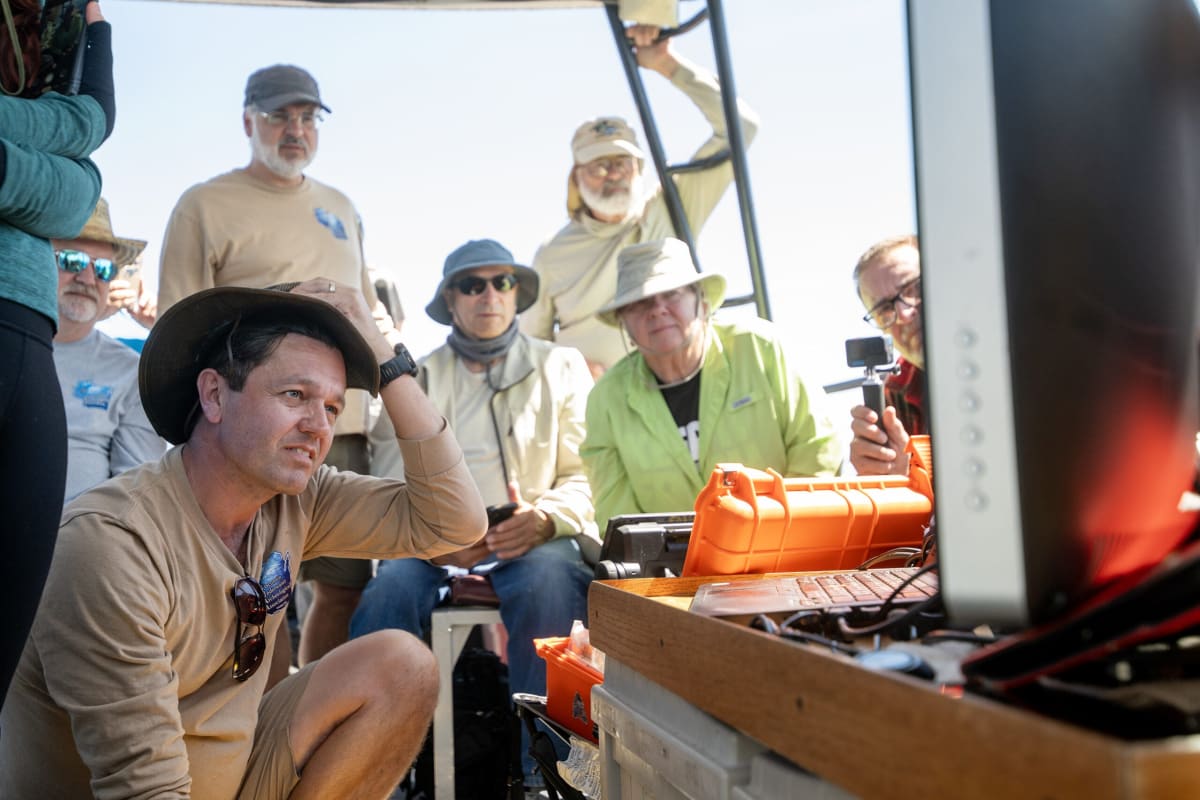
Armed with nets and camera phones, eight volunteers fanned out across a New Mexico trail to help solve a mystery that could determine which bumblebees survive the next decade.
More than one quarter of North American bumblebee species face extinction, and six of New Mexico's 22 species are at serious risk. The state just joined 21 others in the Bumble Bee Atlas, a nationwide effort to map where these critical pollinators live and what they need to survive.
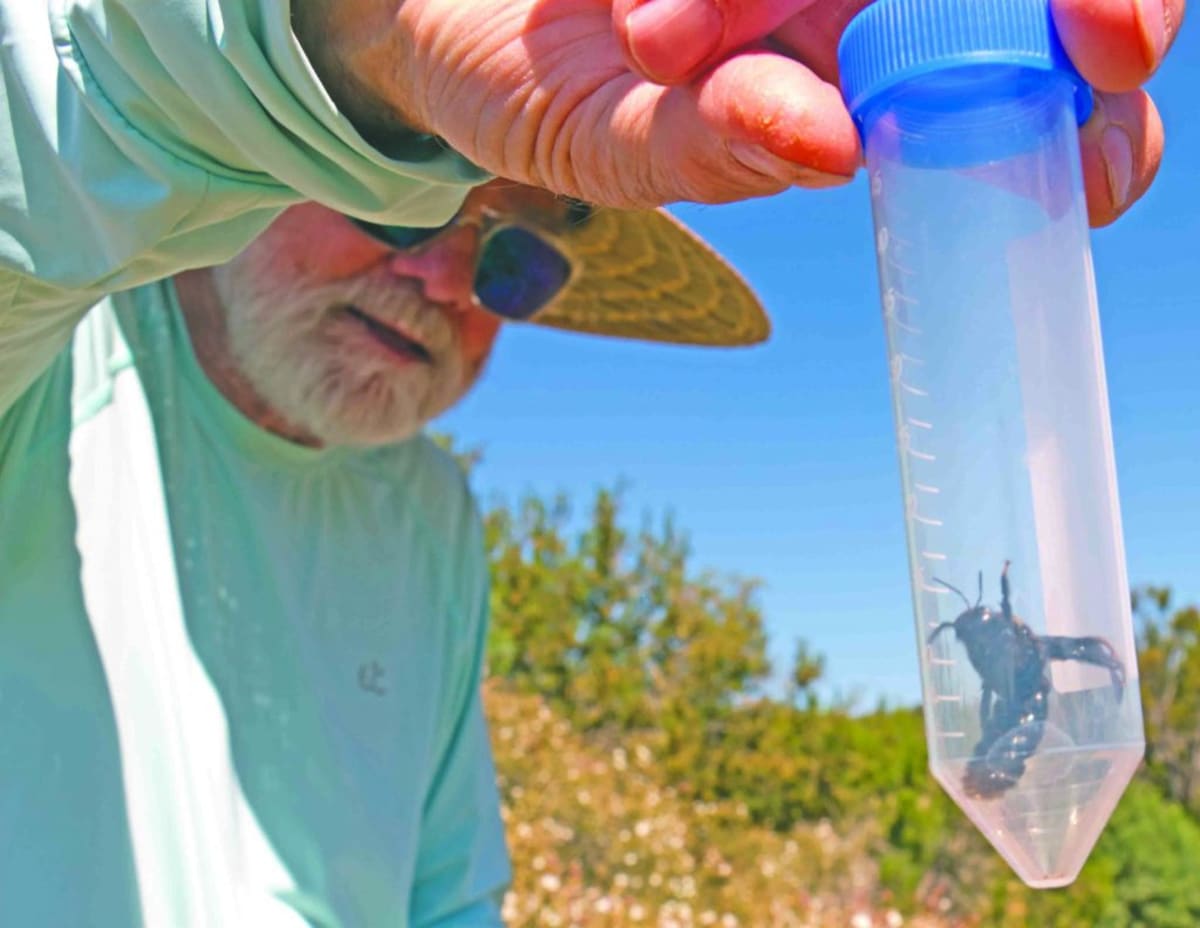
Conservation biologist Amy Dolan with the Xerces Society for Invertebrate Conservation led Tuesday's training session at Dragonfly Trail near Silver City. Volunteers practiced catching bees in nets, placing them in vials, and photographing them to help researchers identify species and track populations.
"Bumblebees are incredibly important pollinators, but they haven't yet been well studied in New Mexico," Dolan explained. The data volunteers collect will reveal which flowers bumblebees rely on and what habitats they're using, helping conservationists decide where to protect land and what native plants to restore.
Cynthia Wolf signed up because conservation matters to her. "I'm just so interested in any time when you can contribute to conservation," she said. "That's my priority."
Jan Richmond joined after her microbiologist friend got involved last year. Even though she was "volunteered" by her friend, Richmond said she enjoyed learning the techniques.
The project fills crucial knowledge gaps. Historic records from museums make it look like bumblebees prefer cities and roadsides, Dolan said with a laugh, when really that's just where entomologists happened to collect specimens dating back to the 1800s.
Some New Mexico species desperately need attention. Cockerell's bumblebee has only been found in one tiny area of Lincoln National Forest near Cloudcroft and hasn't been seen since 2018. It might be the bumblebee with the smallest known range in the world.
The western bumblebee was once the most common species in the West until populations crashed in the 1990s. It raised the first red flags about bumblebee decline and conservation needs.
The Ripple Effect
Last year, volunteers nationwide conducted nearly 3,000 surveys and documented 30,000 bumblebees. That massive data collection would be impossible for the Xerces Society's small staff alone.
The organization shares all the data publicly so everyone can use it for conservation decisions, from land managers to gardeners choosing which flowers to plant. Every photo and location recorded by volunteers helps build a clearer picture of which species need help most urgently.
With their nets ready and cameras charged, these eight New Mexico volunteers are now part of a growing citizen science movement proving that ordinary people can help save extraordinary creatures.
More Images

Based on reporting by Google: volunteers help
This story was written by BrightWire based on verified news reports.
Spread the positivity!
Share this good news with someone who needs it