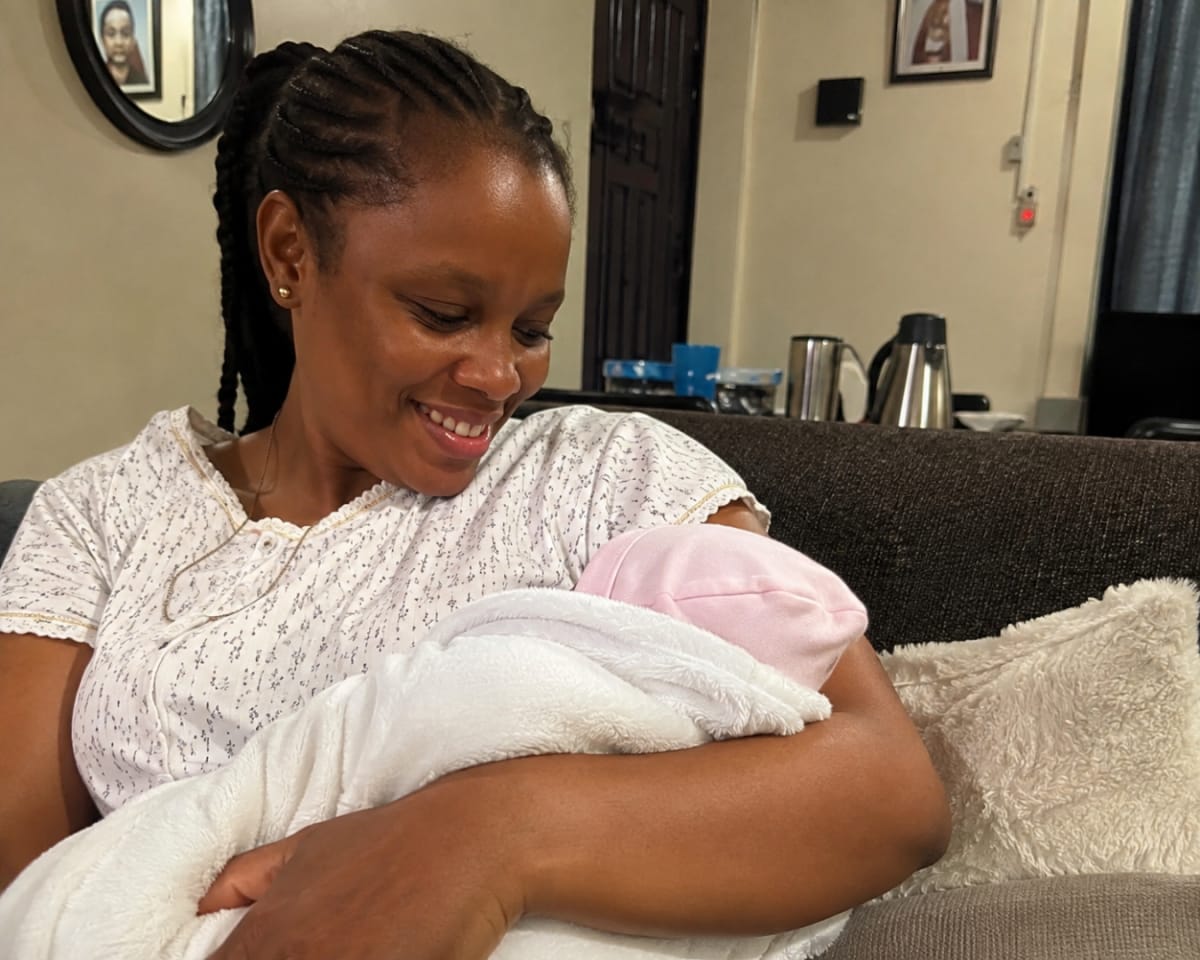
New Moms Get Life-Saving Postpartum Care Guide in Nigeria
A Nigerian midwife is working to ensure every new mother leaves the hospital armed with essential knowledge that could prevent life-threatening complications in the critical weeks after childbirth. Her push for better postpartum education comes as health experts recognize this overlooked period can be just as dangerous as delivery itself.
The weeks after childbirth are finally getting the attention they deserve, thanks to healthcare workers speaking up about a gap that's been putting mothers and babies at risk.
Mary Augustine, a retired midwife in Nigeria, is championing a straightforward solution. She wants every new mother to receive practical, hands-on training before leaving the hospital. The focus includes breastfeeding techniques, umbilical cord care, safe bathing, and recognizing warning signs that need immediate attention.
The timing matters more than most people realize. According to the World Health Organization, the first six weeks after delivery are critical for both mother and baby's survival and wellbeing. Yet many women suffer in silence, thinking postpartum pain and complications are simply part of the experience.
Augustine has seen the consequences firsthand. Women return to clinics weeks later, dealing with infections, excessive bleeding, or wounds that won't heal. Some complications like postpartum hemorrhage, sepsis, or hypertension can develop quickly after discharge. Others, like perineal wounds that reopen instead of healing, cause persistent pain that mothers often endure without seeking help.
The problem often starts with a knowledge gap. When mothers don't know how to position their babies for breastfeeding or keep the umbilical cord clean, preventable issues can snowball. Untreated breast pain might lead a mother to stop breastfeeding. An unnoticed infection can become serious within days.
Augustine emphasizes that even mothers who feel healthy need to attend postnatal clinics. Many dangerous conditions don't announce themselves with obvious symptoms right away. Regular checkups help healthcare workers catch excessive bleeding, poor nutrition, high blood pressure, and postpartum depression before they become emergencies.
Why This Inspires
This push for better postpartum education represents a simple but powerful shift in maternal healthcare. Instead of treating the period after birth as an afterthought, healthcare workers are giving it the same urgency as labor and delivery. The solution doesn't require expensive technology or complex procedures. It relies on something more fundamental: making sure mothers have the information and support they need to recognize problems early and seek help without shame.
Augustine's advocacy highlights how small changes in hospital discharge procedures could save lives. Teaching a mother how to care for her newborn's umbilical cord takes minutes but prevents infections that could prove fatal. Explaining warning signs of complications empowers women to act quickly instead of suffering in silence.
Better postpartum care is becoming a reality, one informed mother at a time.
More Images


Based on reporting by Premium Times Nigeria
This story was written by BrightWire based on verified news reports.
Spread the positivity!
Share this good news with someone who needs it