New Myeloma Treatment Gives 80% Two-Year Survival Hope
A breakthrough immunotherapy combination helped eight in 10 multiple myeloma patients live two years without their cancer worsening, nearly doubling the success rate of standard treatment. The results from a global trial of over 860 patients offer renewed hope for families facing this difficult blood cancer.
Patients with relapsed multiple myeloma are getting a powerful new reason for hope thanks to a treatment combination that's showing remarkable results in keeping cancer at bay.
In a major international study of more than 860 patients across 18 countries, researchers found that about 80% of patients who received the new immunotherapy-based treatment were alive without their cancer progressing two years after starting therapy. That compares to only 50% of patients on standard treatment.
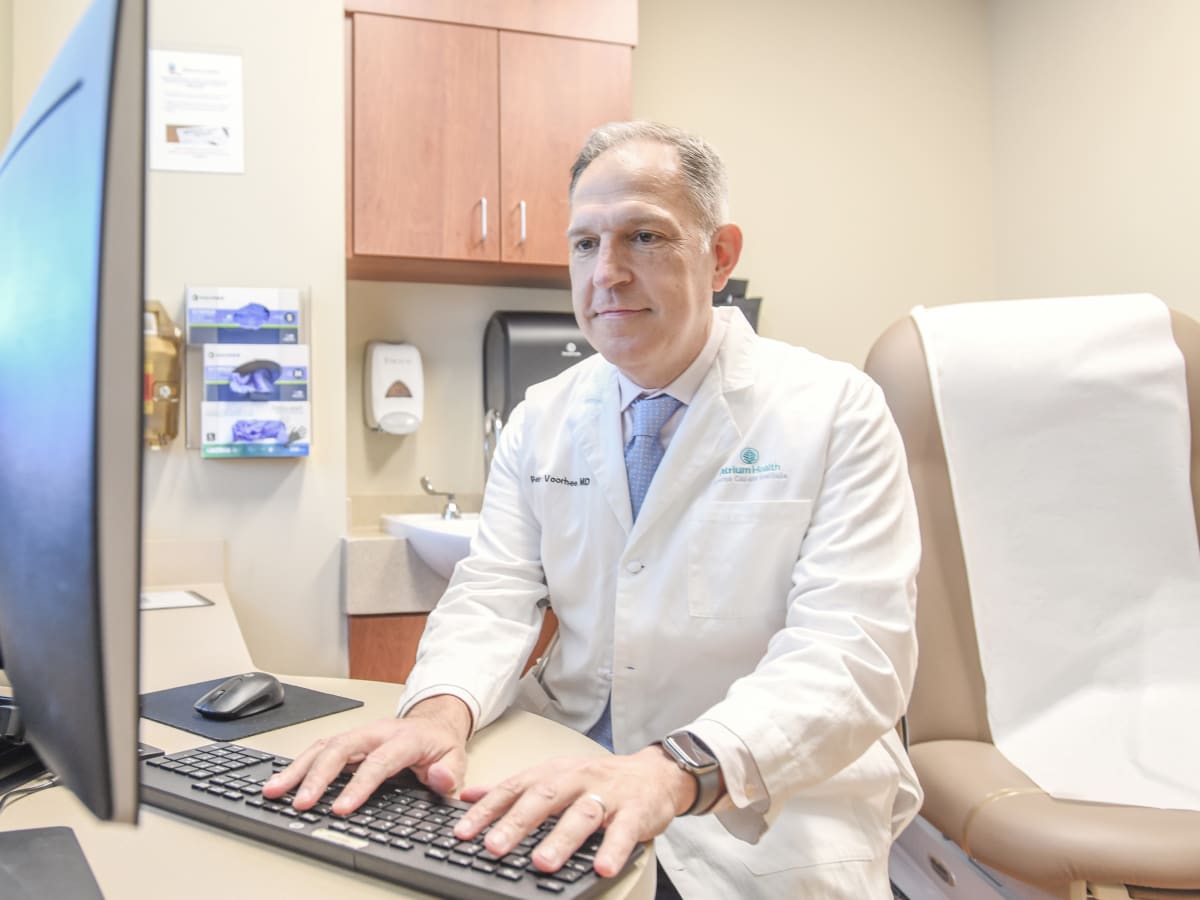
The breakthrough centers on talquetamab, an immune-based therapy that helps the body's own T cells recognize and destroy myeloma cells. Dr. Peter M. Voorhees, a hematologist at Atrium Health Levine Cancer Institute and professor at Wake Forest University School of Medicine, presented the findings at the European Hematology Association Congress in Sweden.
Multiple myeloma is a blood cancer that affects plasma cells in bone marrow. When it returns after initial treatment, it becomes increasingly difficult to manage, making these results particularly meaningful for patients and families.
The study tested two talquetamab-based combinations against the standard treatment approach. Nearly 90% of patients receiving the new combinations saw their cancer shrink, compared with about 80% on standard care.
Early data also suggests more patients in the talquetamab groups were alive at the two-year mark, though researchers need longer follow-up to confirm the full survival benefit. The study was published in the New England Journal of Medicine on June 13.
The Ripple Effect
The success of this trial is creating waves far beyond the 860 participants. More than 180 medical sites across 18 countries took part, building a global network of expertise that will benefit future myeloma patients worldwide.
Additional studies are already underway to evaluate whether these combinations could work even earlier in treatment, potentially helping patients before their cancer becomes harder to control. Researchers are also tracking long-term survival outcomes to build a complete picture of the treatment's benefits.
While patients did experience side effects including changes in taste, weight loss and balance issues, relatively few needed to stop treatment entirely. The side effects aligned with what doctors expected from the individual medications.
"When multiple myeloma comes back, it can be incredibly difficult for patients and their families," Voorhees said. "This study suggests we may be able to offer a treatment to give patients more time, better disease control and most importantly, renewed hope."
For the thousands of families navigating a myeloma relapse, this research offers something precious: more time together and real progress in the fight against a stubborn disease.
Based on reporting by Google News - New Treatment
This story was written by BrightWire based on verified news reports.
Spread the positivity!
Share this good news with someone who needs it