Scientists Map Heart Disease—New Treatments on Horizon
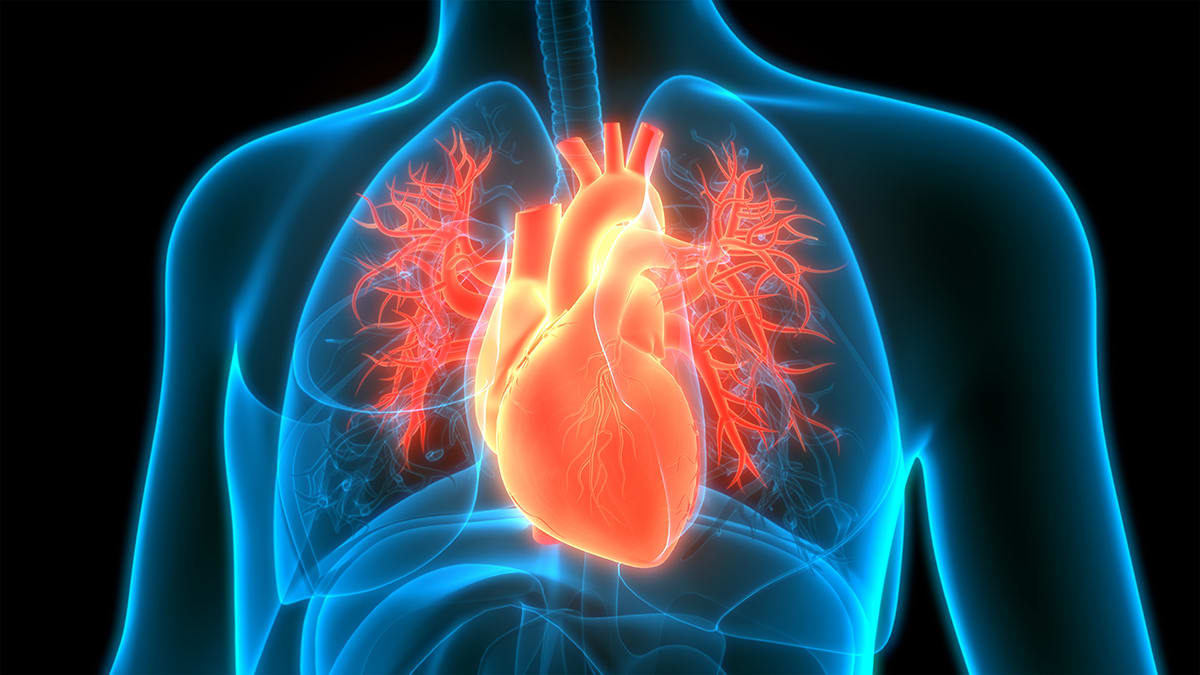
Researchers created the first detailed map of how genes malfunction in heart failure, opening doors to new treatments for the world's leading cause of death. The breakthrough could help millions who've had limited options until now.
Scientists just created a roadmap that could transform how we treat heart disease, and it's giving new hope to the millions living with heart failure worldwide.
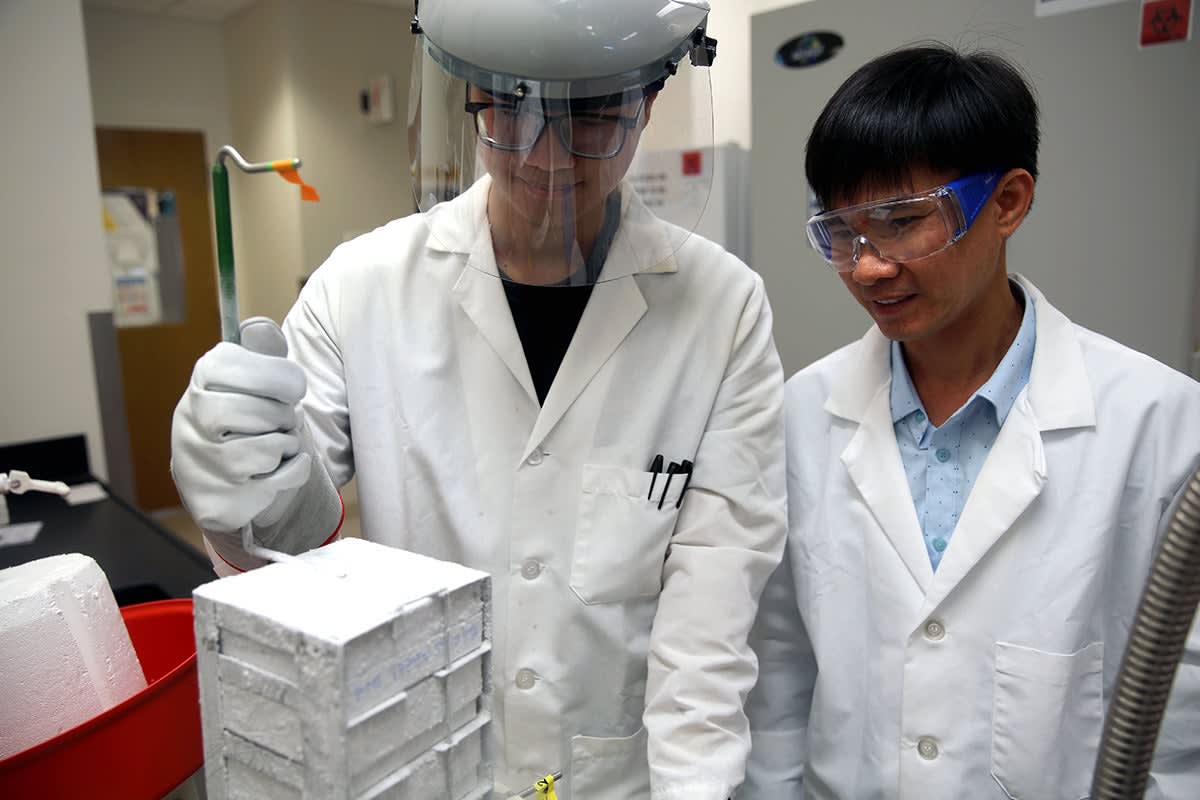
Researchers from University of Utah Health and UC San Diego analyzed more than 750,000 individual heart cells from 36 people to create the most detailed picture yet of what goes wrong inside failing hearts. They discovered that heart failure changes how more than 10,000 genes behave and alters DNA regulation at over 50,000 locations.
The team identified something crucial: heart muscle cells go through several intermediate stages as they transition from healthy to diseased. These in-between stages are where the disease actively unfolds, which means doctors might be able to intervene much earlier than before.
"Right now, one of the biggest limitations in cardiology is not the lack of tools, but the lack of targets," said Dr. Neil Chi, professor of medicine at UC San Diego. "This kind of data changes that."
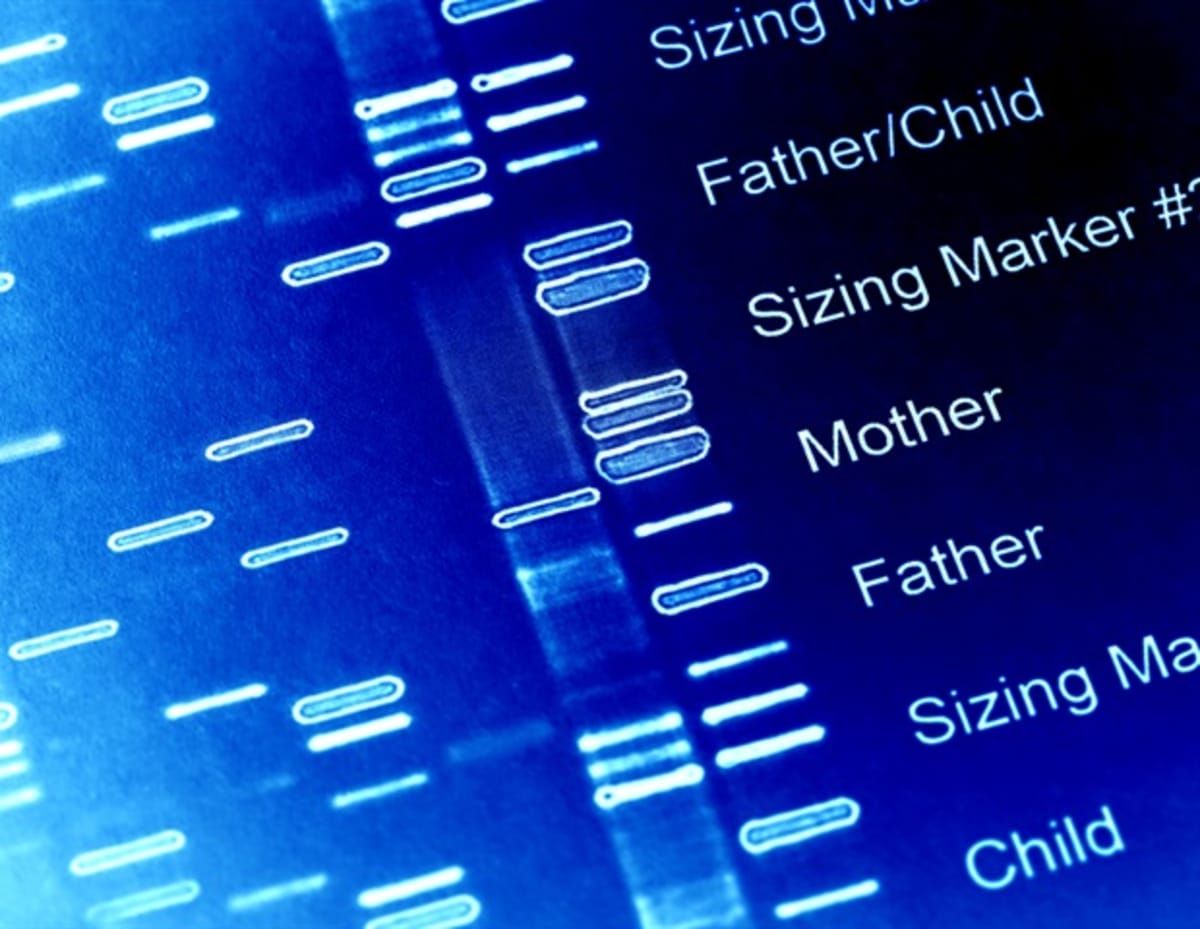
The research helps solve a puzzle that has frustrated scientists for years. More than 85% of genetic changes linked to heart disease happen in parts of DNA that don't make proteins but instead control when genes turn on or off. Until now, researchers struggled to understand how these changes actually cause disease.
By mapping these connections at the single-cell level, the team created a framework that links genetic risk to specific biological mechanisms. They found that disease-related genetic changes concentrate in regulatory regions active in heart muscle cells, suggesting these cells should be the primary focus for new treatments.
The Ripple Effect
This atlas does more than explain disease. It gives the entire medical community a new tool for discovering drug targets in a field where therapeutic options have remained painfully limited.
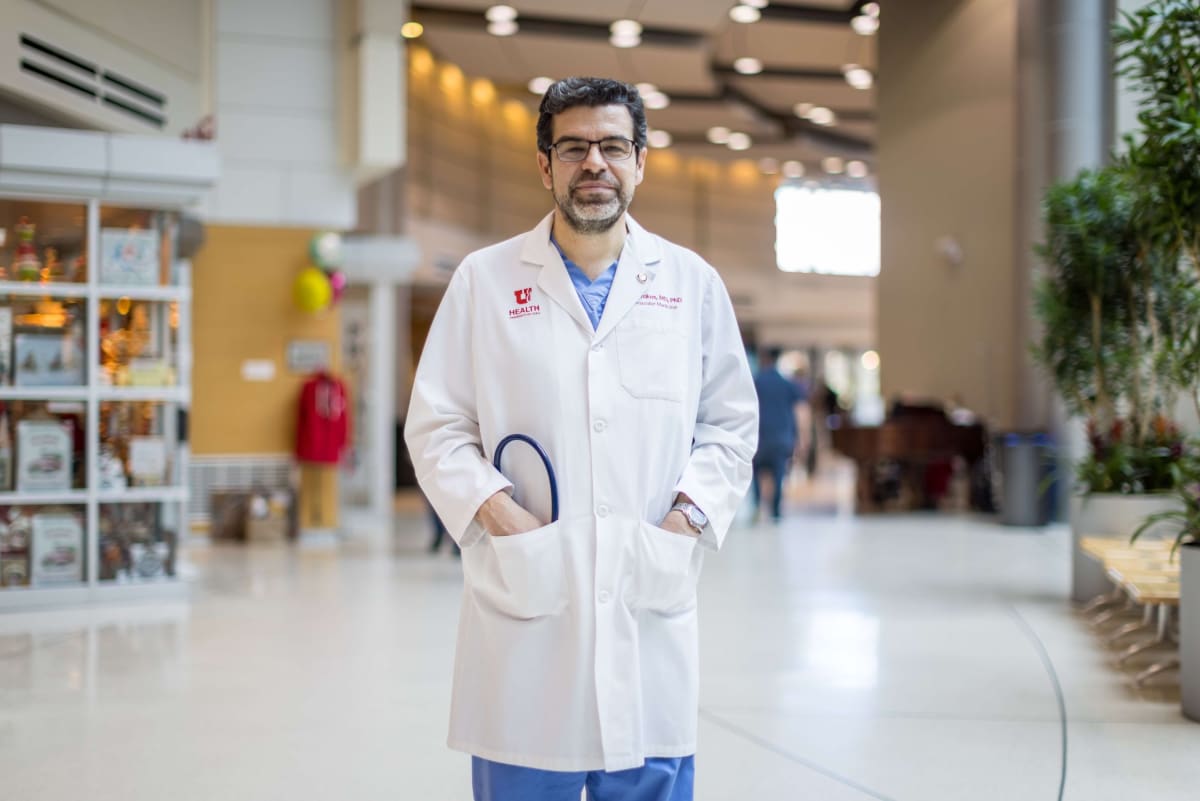
The breakthrough was made possible by heart tissue donations from heart failure patients over many years. Dr. Stavros Drakos, who led the Utah team, said it's incredibly rewarding to see this research fulfilling the hopes of patients who contributed.
The detailed dataset is now available to scientists worldwide who are working to develop new therapies. For the estimated 64 million people living with heart failure globally, this map represents something they've been waiting for: a clear path forward to better treatments and earlier interventions that could save countless lives.
More Images
Based on reporting by Google News - New Treatment
This story was written by BrightWire based on verified news reports.
Spread the positivity!
Share this good news with someone who needs it