New Nanoparticle Could Prevent Type 1 Diabetes
Scientists at the University of Chicago have developed tiny particles that teach insulin-producing cells to protect themselves from autoimmune attack. The breakthrough could delay or prevent type 1 diabetes without suppressing the entire immune system.
Imagine if the cells your body attacks in type 1 diabetes could learn to defend themselves without fighting back. That's exactly what scientists at the University of Chicago just made possible.
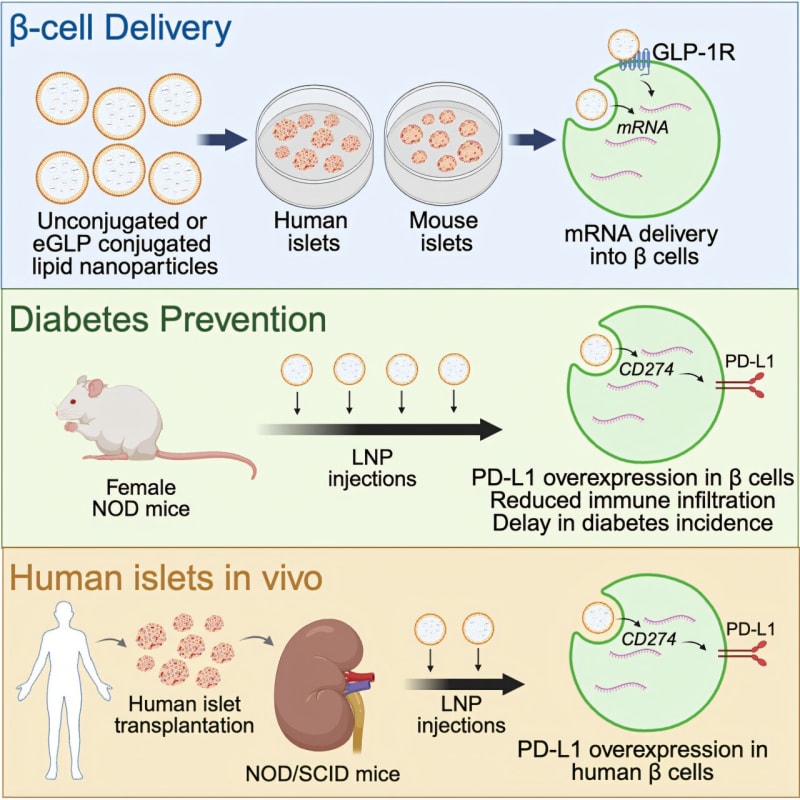
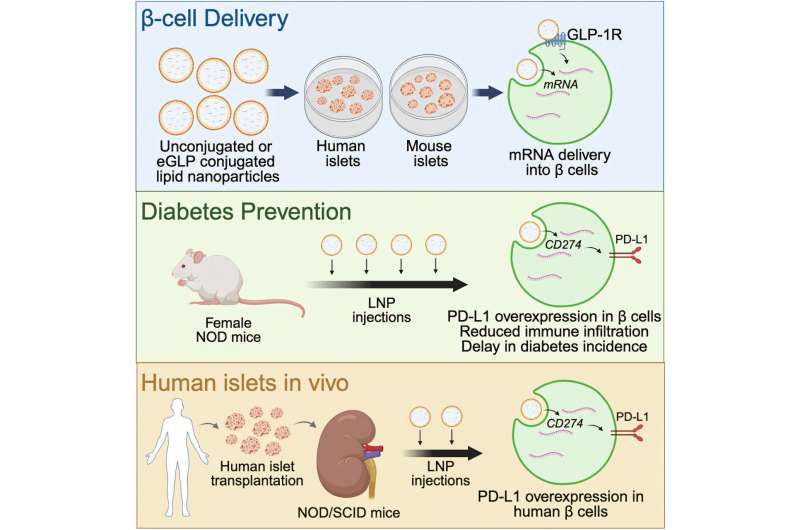
Researchers have created nanoparticles that deliver genetic instructions to insulin-producing beta cells, teaching them to express a protective protein called PD-L1. This protein acts like an invisibility cloak, helping the cells evade immune system attacks that cause type 1 diabetes.
The team, led by postdoctoral scholar Jacob Enriquez, published their findings in Cell Reports Medicine this week. Their approach marks a shift from traditional research that focuses on suppressing the immune response. Instead, they're strengthening the cells under attack.
The nanoparticles work like tiny delivery trucks, carrying mRNA molecules (the same technology used in COVID-19 vaccines) directly to beta cells. Once inside, the cells start producing PD-L1, which naturally limits aggressive immune activity without causing widespread immune suppression.
The technology successfully worked in both mouse and human beta cells during lab testing. The researchers even tried transplanting human beta cells into mice, then injecting the nanoparticles. The results showed delayed diabetes progression and increased cell protection.
What makes this especially promising is the precision targeting. The team created two versions of their nanoparticle, including one tagged with a peptide that homes in on GLP-1 receptors (the same receptors targeted by weight loss medications). Both versions reached beta cells without affecting other cell types, avoiding unintended side effects.
Dr. Raghu Mirmira, who directs the UChicago Diabetes Research and Training Center, sees enormous potential in this cellular engineering approach. His team envisions using these nanoparticles to deliver other therapeutic molecules too, potentially adding more targeting peptides to improve effectiveness in human patients.
The Ripple Effect
This research opens doors beyond type 1 diabetes. The nanoparticle platform could extend mRNA medicine from infectious diseases into metabolic conditions, potentially helping millions of people worldwide who live with autoimmune disorders.
The technology's real-world application would ideally happen before full diabetes onset, while patients still have functioning beta cells. Preserving even partial insulin production could dramatically improve quality of life and reduce dependence on external insulin.
Professor Yun Fang, whose lab specializes in therapeutic nanoparticle delivery, noted that their conceptual advances establish a foundation for targeting other key cell types involved in type 1 diabetes. The team continues refining their approach to maximize effectiveness in human applications.
For the 1.6 million Americans living with type 1 diabetes and countless others at risk, this research represents genuine hope that prevention might become reality.
More Images

Based on reporting by Phys.org
This story was written by BrightWire based on verified news reports.
Spread the positivity!
Share this good news with someone who needs it