New Nanoparticle Treatment Could Prevent Type 1 Diabetes
Scientists at the University of Chicago have developed a breakthrough nanoparticle system that delivers protective mRNA to insulin-producing cells, potentially preventing type 1 diabetes before it starts. The treatment worked in both mouse and human cells, offering hope for the 1.6 million Americans living with this autoimmune disease.
Scientists just took a major step toward preventing type 1 diabetes by teaching the body's insulin-producing cells to protect themselves from immune system attacks.
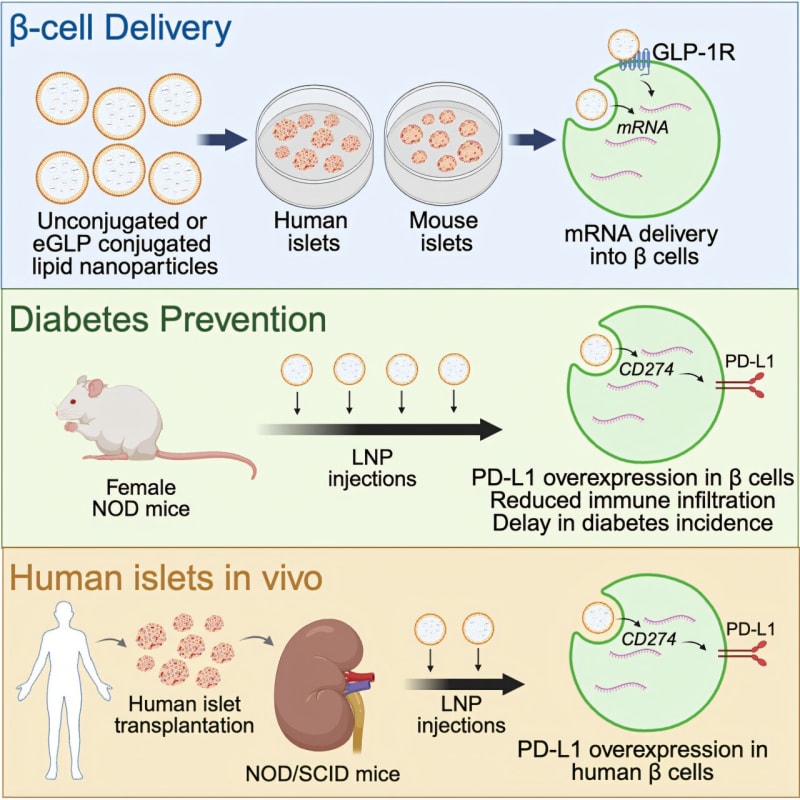
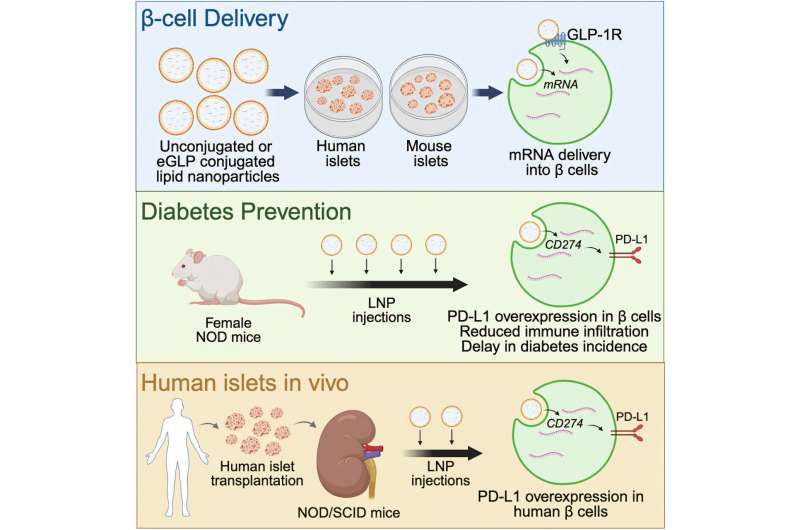
Researchers at the University of Chicago developed tiny nanoparticles that deliver mRNA directly to beta cells, the pancreatic cells that produce insulin. These nanoparticles carry genetic instructions that prompt beta cells to express more PD-L1, a protein that acts like an invisibility cloak against autoimmune attacks.
The breakthrough, published this week in Cell Reports Medicine, represents a completely new approach to fighting type 1 diabetes. Instead of trying to calm down the entire immune system, the treatment focuses on helping vulnerable cells defend themselves.
Dr. Jacob Enriquez led the study and successfully demonstrated that the nanoparticles could reach their targets in both mouse and human beta cells. The treatment delayed diabetes progression in mice and worked even when human beta cells were transplanted into mice, suggesting it could translate to human patients.
The technology builds on the same lipid nanoparticle platform used in COVID-19 vaccines, proving once again that innovations developed during the pandemic continue to ripple outward into other medical fields. The team created two versions: one tagged with a peptide that targets the same GLP-1 receptors used by popular weight loss drugs, and one without the tag.
What makes this treatment especially promising is its precision. The nanoparticles target only beta cells without affecting other tissues, avoiding the unwanted side effects that plague many diabetes treatments. Dr. Raghu Mirmira, who directs the UChicago Diabetes Research and Training Center, calls it "a new level of excitement" because doctors could potentially engineer beta cells with pinpoint accuracy.
The timing matters too. Ideally, patients would receive this treatment early, before their disease destroys all their insulin-producing cells. Preserving even some beta cell function could dramatically improve quality of life and reduce complications.
The Ripple Effect
This research opens doors far beyond diabetes prevention. The nanoparticle delivery system could carry other therapeutic molecules to beta cells or be adapted to target different cell types involved in autoimmune diseases. Dr. Yun Fang's team is already thinking about extending this approach to other metabolic diseases, potentially helping millions of people worldwide.
The work also demonstrates how collaboration across disciplines creates medical breakthroughs. This project brought together experts in diabetes, nanotechnology, and molecular engineering, each contributing specialized knowledge to solve a complex problem.
For families watching loved ones manage type 1 diabetes with daily insulin injections and constant blood sugar monitoring, this research offers something precious: the possibility that future generations might never develop the disease at all.
The road from laboratory success to clinical treatment takes time, but the foundation is solid and the direction is clear.
More Images
Based on reporting by Google News - Health
This story was written by BrightWire based on verified news reports.
Spread the positivity!
Share this good news with someone who needs it