Search

Find uplifting stories about heroes, innovations, and solutions

14 results for "nanoparticles"

MIT Nanotech Lets Scientists Watch Cancer Proteins in Action
Health & Wellness•May 19

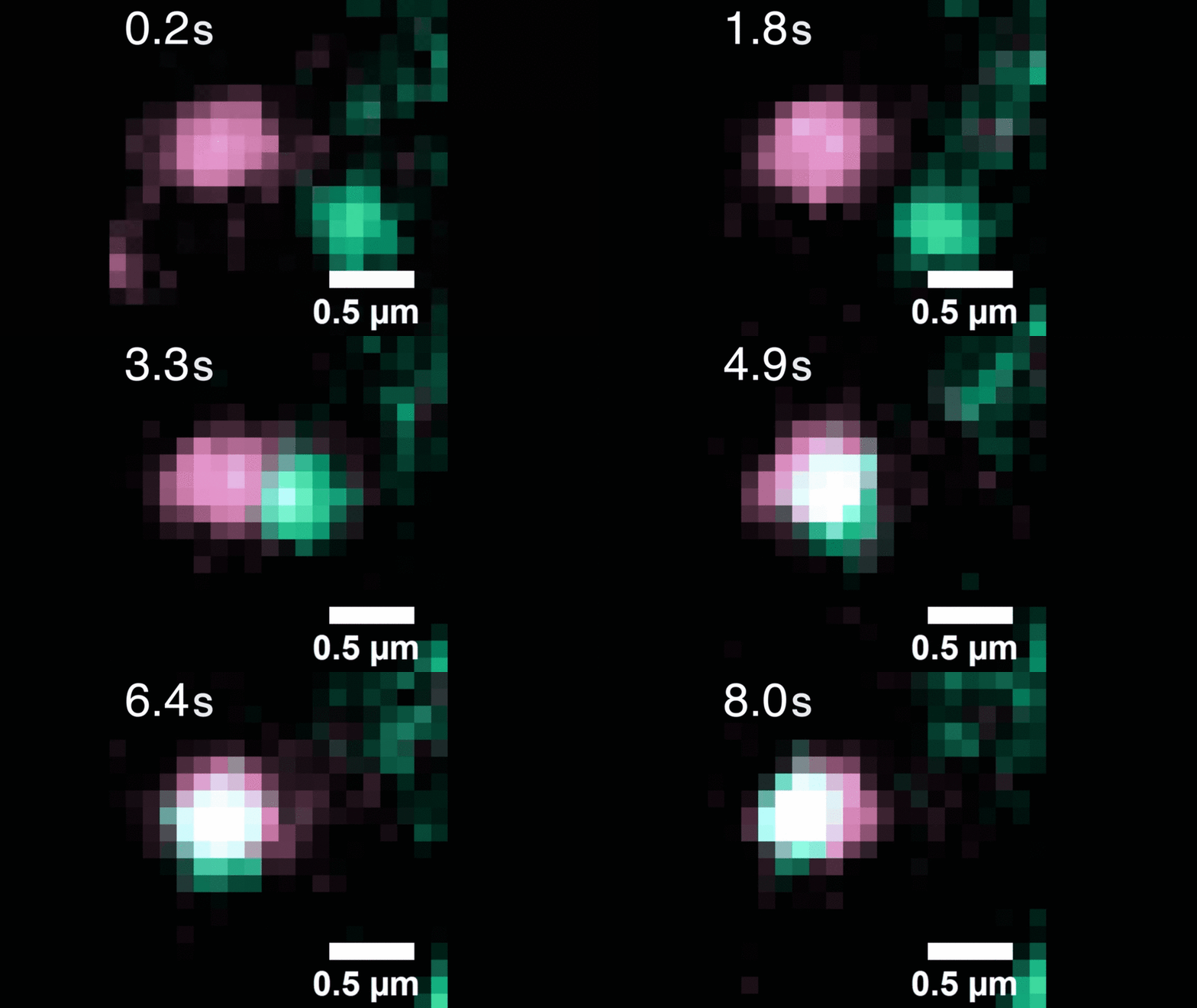
MIT Nanotech Lets Scientists Watch Cancer Proteins in Action

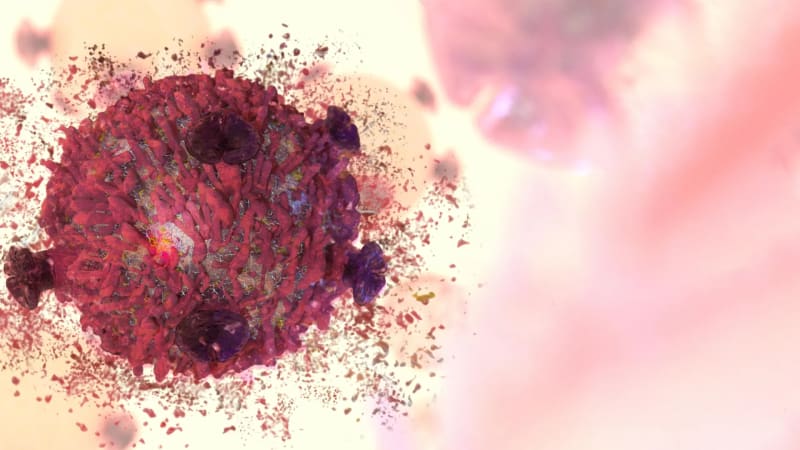
Scientists at MIT developed glowing nanoparticles that track cancer proteins for hours instead of seconds, revealing how they behave in living cells. The breakthrough could transform drug development and help explain why some mutations cause aggressive cancers.

MIT News•3 min read
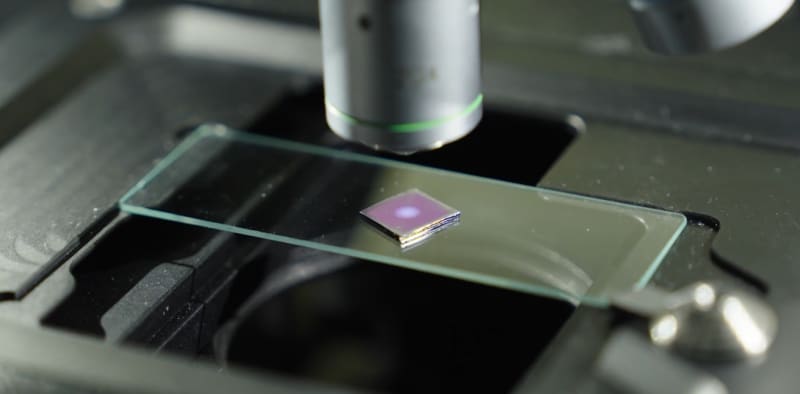
Cambridge Creates "Impossible" LED for Medical Imaging
Innovation•May 18

Cambridge Creates "Impossible" LED for Medical Imaging

Scientists at Cambridge have powered materials that can't conduct electricity, creating ultra-pure infrared LEDs that could revolutionize medical imaging and cancer detection. The breakthrough uses tiny "molecular antennas" to funnel energy into insulating nanoparticles.

Science Daily•3 min read
Scientists Achieve 99% Cancer Regression With Gold Nanotech
Health & Wellness•May 13

Scientists Achieve 99% Cancer Regression With Gold Nanotech

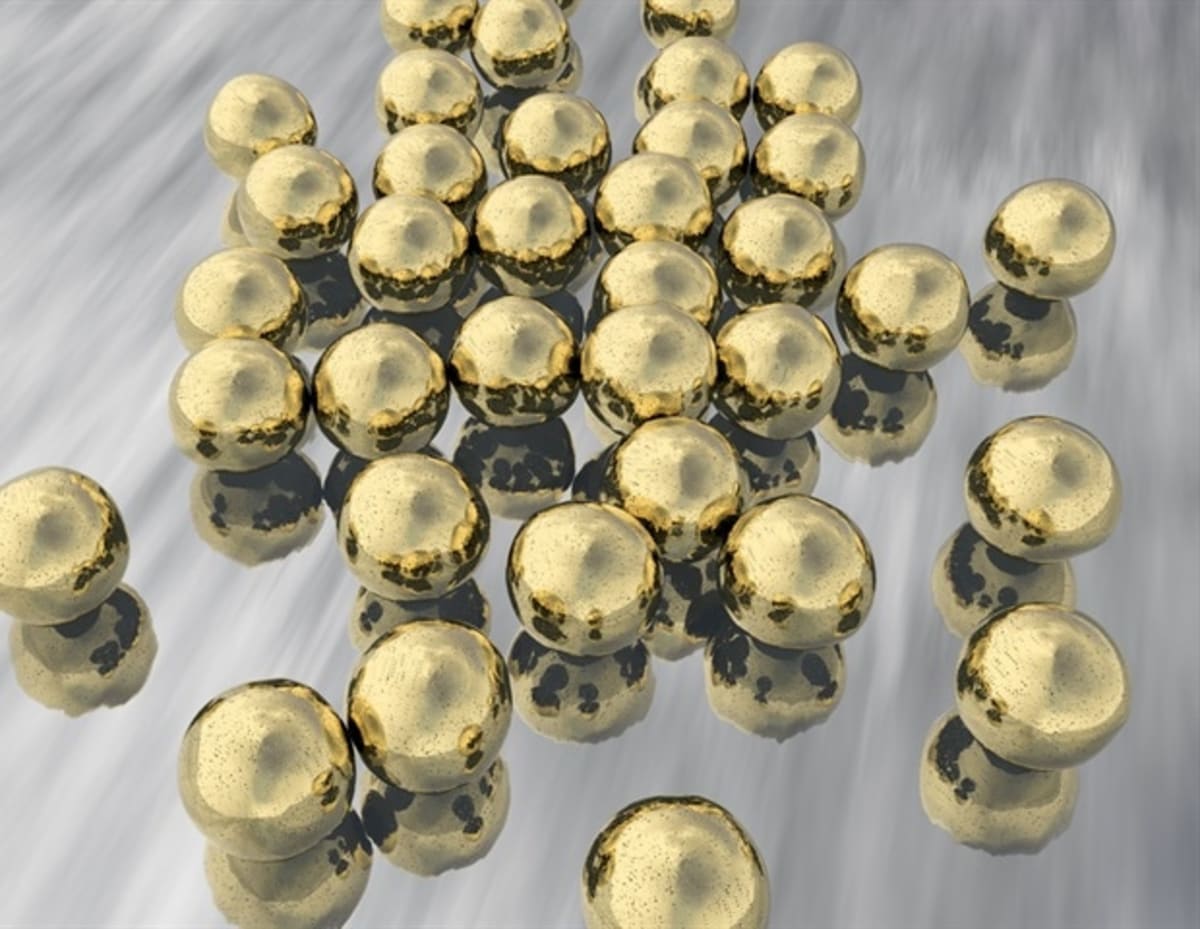
Researchers at the National University of Singapore have developed gold nanoparticles that deliver cancer-fighting drugs directly to tumor cells, achieving near-complete tumor elimination in lab studies. The breakthrough could transform how doctors treat cancer with unprecedented precision.

Google News - Researchers Find•3 min read
Alexandria Students Win National Prize for Heart Repair Tech
Innovation•May 4

Alexandria Students Win National Prize for Heart Repair Tech

Four Alexandria students won a regional ExploraVision award for designing SYNCARDIA, a futuristic treatment that could turn heart scar tissue back into healthy muscle using nanoparticles and ultrasound. The competition challenges K-12 students to imagine technologies a decade into the future. #

Google News - School Innovation•3 min read
Scientists Give Animals Photosynthesis to Reverse Disease
Health & Wellness•Apr 9

Scientists Give Animals Photosynthesis to Reverse Disease

Chinese researchers successfully transplanted plant-like nanoparticles into sick animals, allowing their cells to harness light energy. The breakthrough reversed degenerative diseases in rats and rabbits, opening new doors for treating aging and cellular dysfunction.

South China Morning Post•2 min read
New Nanoparticle Treatment Could Prevent Type 1 Diabetes
Health & Wellness•Mar 2

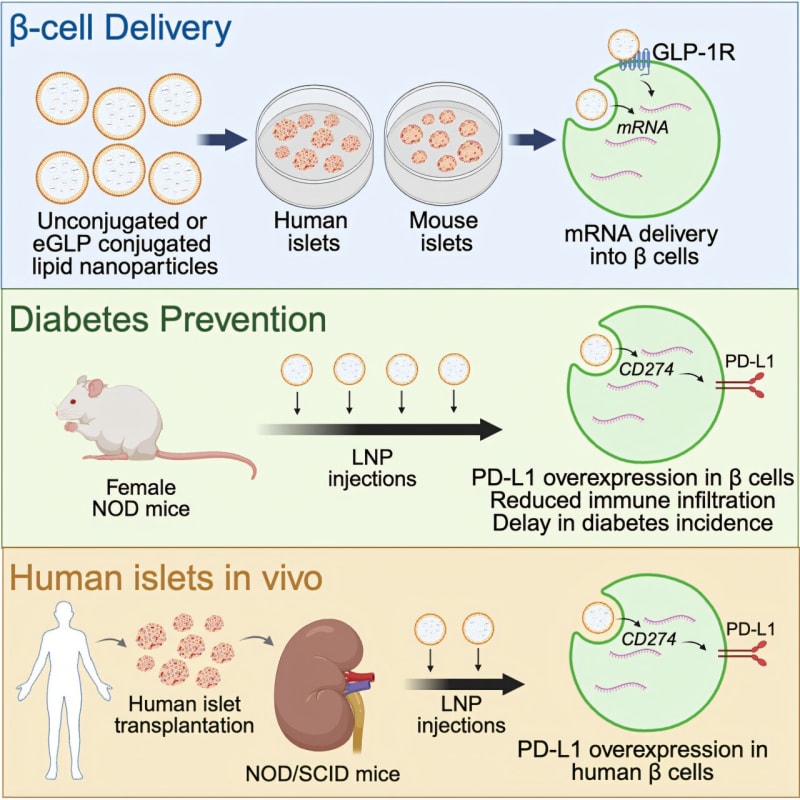
New Nanoparticle Treatment Could Prevent Type 1 Diabetes

Scientists at the University of Chicago have developed a breakthrough nanoparticle system that delivers protective mRNA to insulin-producing cells, potentially preventing type 1 diabetes before it starts. The treatment worked in both mouse and human cells, offering hope for the 1.6 million Americans living with this autoimmune disease.

Google News - Health•3 min read
Swedish Team Makes Clean Hydrogen Without Expensive Platinum
Planet Wins•Feb 28

Swedish Team Makes Clean Hydrogen Without Expensive Platinum

Researchers in Sweden just turned sunlight and water into hydrogen gas using conductive plastic nanoparticles instead of costly platinum. The breakthrough could finally make clean hydrogen affordable enough to power the world.

Regional: sweden renewable energy (SE)•3 min read
Rice University Creates Faster Test for Water Toxins
Innovation•Feb 28

Rice University Creates Faster Test for Water Toxins

Scientists in Houston developed a new method to detect cancer-causing pollutants in water and soil in just hours instead of weeks. Using tiny nanoparticles and artificial intelligence, they're making environmental testing faster, cheaper, and portable.

Google News - Researchers Find•2 min read
McGill Scientists Cut Cancer Treatment Side Effects
Health & Wellness•Feb 22

McGill Scientists Cut Cancer Treatment Side Effects

Researchers engineered tiny nanoparticles that activate cancer drugs only in diseased lymph nodes, dramatically reducing harmful side effects while improving treatment effectiveness. The breakthrough could allow patients to receive stronger, more effective doses without the toxic reactions that force many to stop therapy.

Phys.org•2 min read
Scientists Solve Mineral Sunscreen's White Cast Problem
Innovation•Feb 18

Scientists Solve Mineral Sunscreen's White Cast Problem

UCLA researchers created a new zinc oxide shape that stops mineral sunscreen from leaving white streaks on skin. The four-armed nanoparticles prevent clumping and match more skin tones while keeping full UV protection.

Live Science•3 min read
Gold Nanoparticles Triple Cancer Treatment Effectiveness
Health & Wellness•Feb 5

Gold Nanoparticles Triple Cancer Treatment Effectiveness

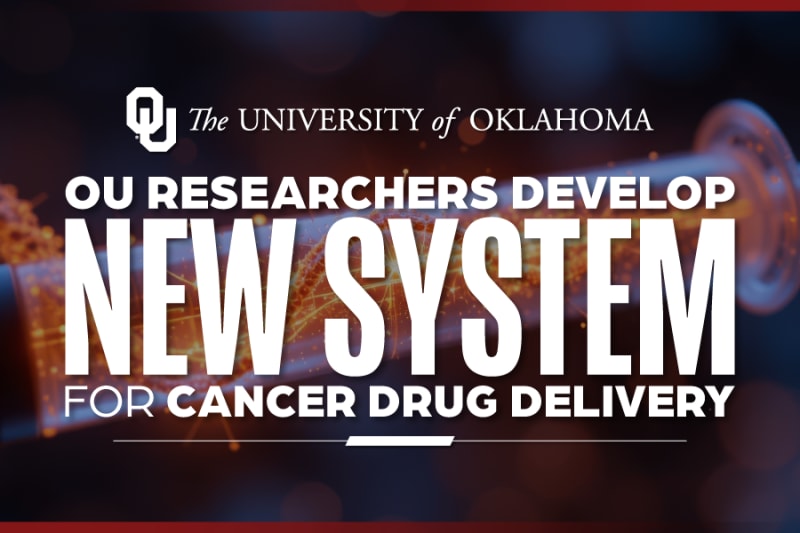
Oklahoma researchers created a "Trojan horse" delivery system that floods cancer cells with treatment instead of letting it trickle in slowly. The breakthrough could transform how we deliver life-saving therapies.

Google News - New Treatment•3 min read
NYU Scientists Create Light-Activated Nanoparticles for Cancer
Health & Wellness•Jan 30

NYU Scientists Create Light-Activated Nanoparticles for Cancer

Researchers developed tiny particles that use light to heat and destroy tumors while leaving healthy cells untouched. The biodegradable treatment could offer a gentler alternative to chemotherapy and radiation.

Phys.org•3 min read
Smart Nanoparticles Target Brain Cancer and Dementia Proteins
Innovation•Jan 28

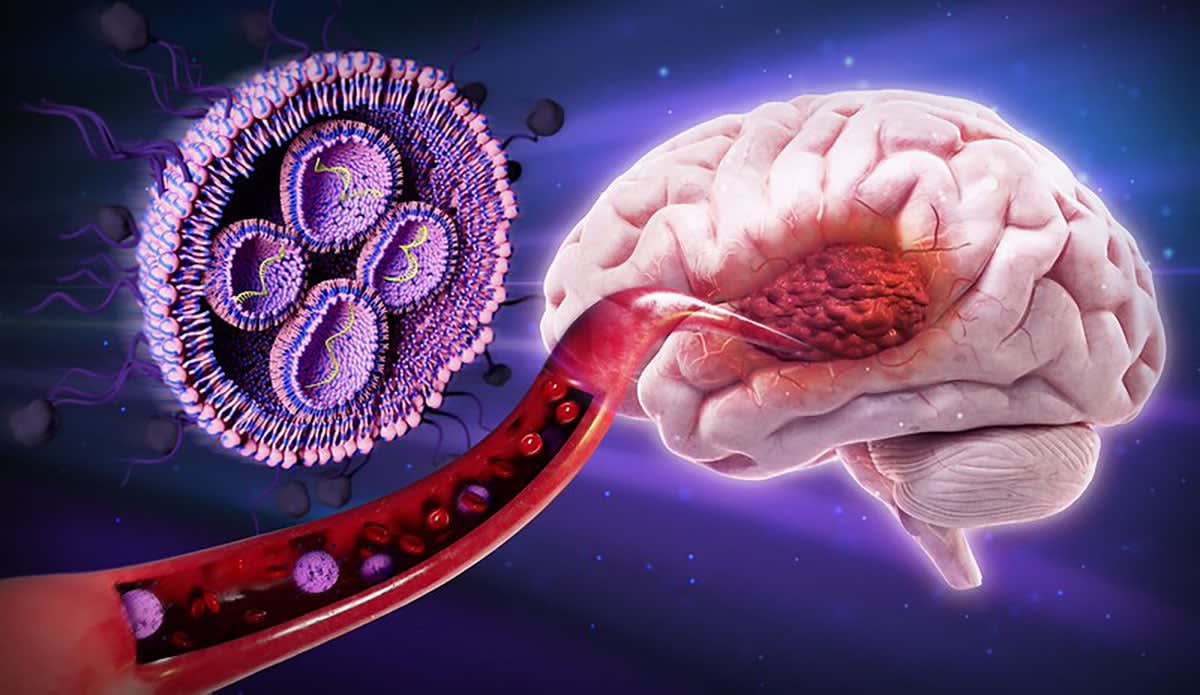
Smart Nanoparticles Target Brain Cancer and Dementia Proteins

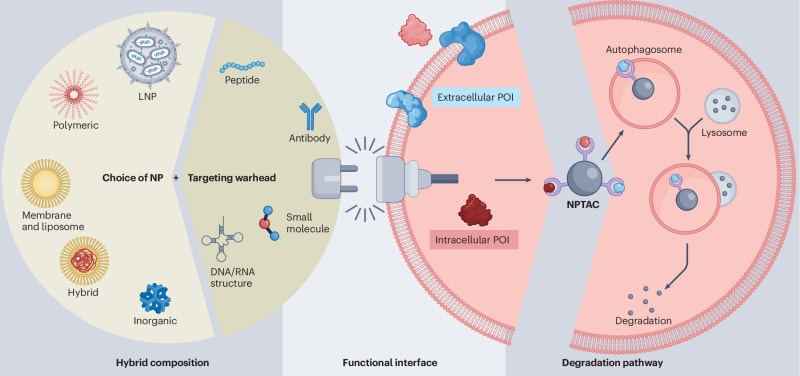
Scientists created tiny particles that hunt down and destroy harmful proteins causing dementia and cancer, including in the brain where most drugs can't reach. Early tests show success against major cancer drivers, and the technology could transform treatment for diseases once considered impossible to treat.

Science Daily•2 min read
Scientists Create Nanoparticles That Attack Brain Cancer
Health & Wellness•Jan 25

Scientists Create Nanoparticles That Attack Brain Cancer

Australian researchers have developed tiny particles that can cross into the brain and destroy disease-causing proteins linked to dementia and cancer. The breakthrough technology could finally treat diseases once considered impossible to cure.

Phys.org•2 min read