Scientists Give Animals Photosynthesis to Reverse Disease
Chinese researchers successfully transplanted plant-like nanoparticles into sick animals, allowing their cells to harness light energy. The breakthrough reversed degenerative diseases in rats and rabbits, opening new doors for treating aging and cellular dysfunction.
Scientists just borrowed a superpower from plants to heal animals, and the results are stunning.
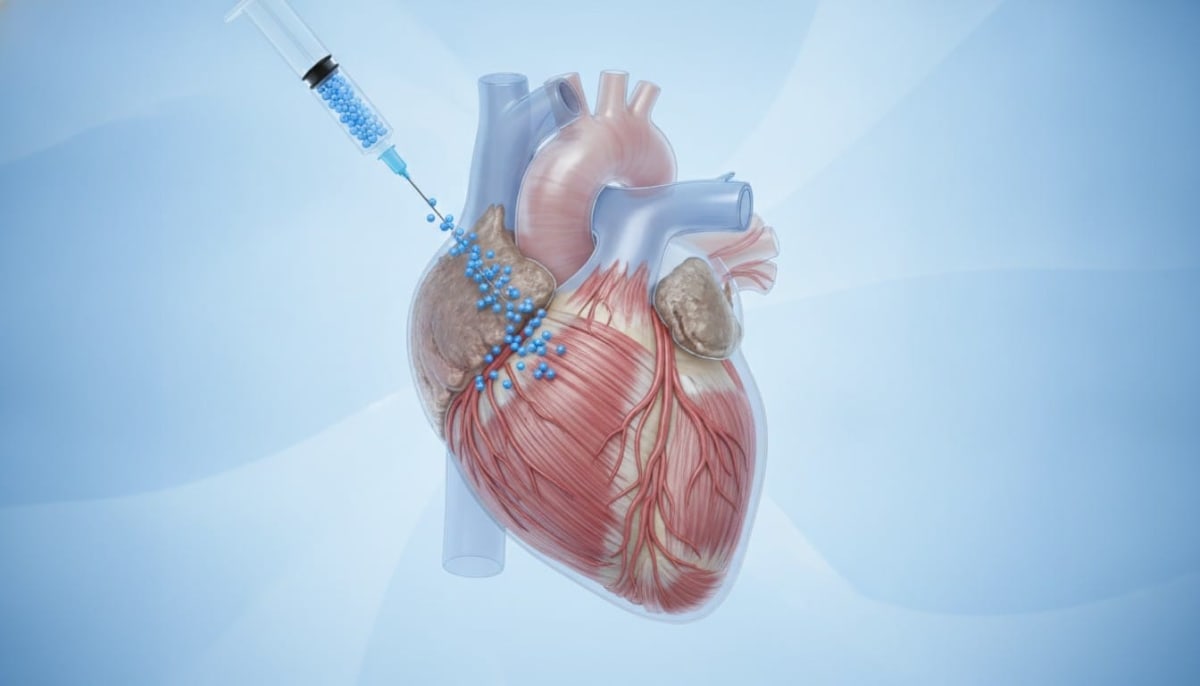
A team at Zhejiang University School of Medicine in China has successfully transplanted photosynthetic nanoparticles into rats and rabbits suffering from degenerative diseases. When activated by light, these plant-based particles boosted energy production in damaged cells and restored normal cellular function.
The breakthrough tackles a fundamental problem in aging and disease. As cells age or suffer damage, the tiny structures inside them called organelles stop communicating properly. This breakdown accelerates the progression of many degenerative conditions.
The researchers solved this by giving animal cells the ability to perform photosynthesis, the process plants use to convert light into energy. They paired their photosynthetic nanoparticles with tiny implantable lights that work wirelessly, allowing treatment to reach deep inside tissue where sunlight cannot penetrate.
The sick animals in the study recovered. Their cells regained the energy they needed to function normally, and the disrupted interactions between cellular structures were restored.
The Ripple Effect
This approach could transform how we treat diseases linked to cellular aging and dysfunction. The team published their findings in the peer-reviewed journal Nature Communications in March 2026, noting that their treatment model has "broad application prospects for various diseases involving imbalanced organelle interaction networks."
The method addresses metabolic stress at its source rather than just managing symptoms. By restoring energy production directly inside struggling cells, the treatment helps the body heal itself from the inside out.
The combination of biology and technology represents a new frontier in medicine. Wirelessly powered lights small enough to implant in living tissue, paired with particles that perform photosynthesis inside animal cells, seemed like science fiction just years ago.
The research opens possibilities for treating conditions that have long resisted conventional therapies. Any disease involving cellular energy failure or disrupted organelle interactions could potentially benefit from this approach.
This breakthrough reminds us that nature holds solutions we are only beginning to understand, and sometimes the best innovations come from learning what living things have been doing successfully for millions of years.
More Images


Based on reporting by South China Morning Post
This story was written by BrightWire based on verified news reports.
Spread the positivity!
Share this good news with someone who needs it