Sugar-Coated Nanoparticles Extend Brain Cancer Survival 50%
Scientists at Oregon State University engineered tiny sugar-coated particles that sneak past the brain's natural defenses to deliver life-saving treatment directly to deadly glioblastoma tumors. In mice, the approach extended survival by 50% with no toxic side effects.
A team of researchers just found a way to outsmart one of cancer's toughest defenses using something as simple as sugar.
Glioblastoma is the deadliest brain cancer there is. More than 95% of patients don't survive five years, partly because the brain's protective barrier blocks most drugs from ever reaching the tumor.
Scientists at Oregon State University thought: what if we disguised cancer-fighting medicine as something the brain already lets through? Their answer was mannose, a sugar that looks just like glucose to the brain's fuel delivery system.
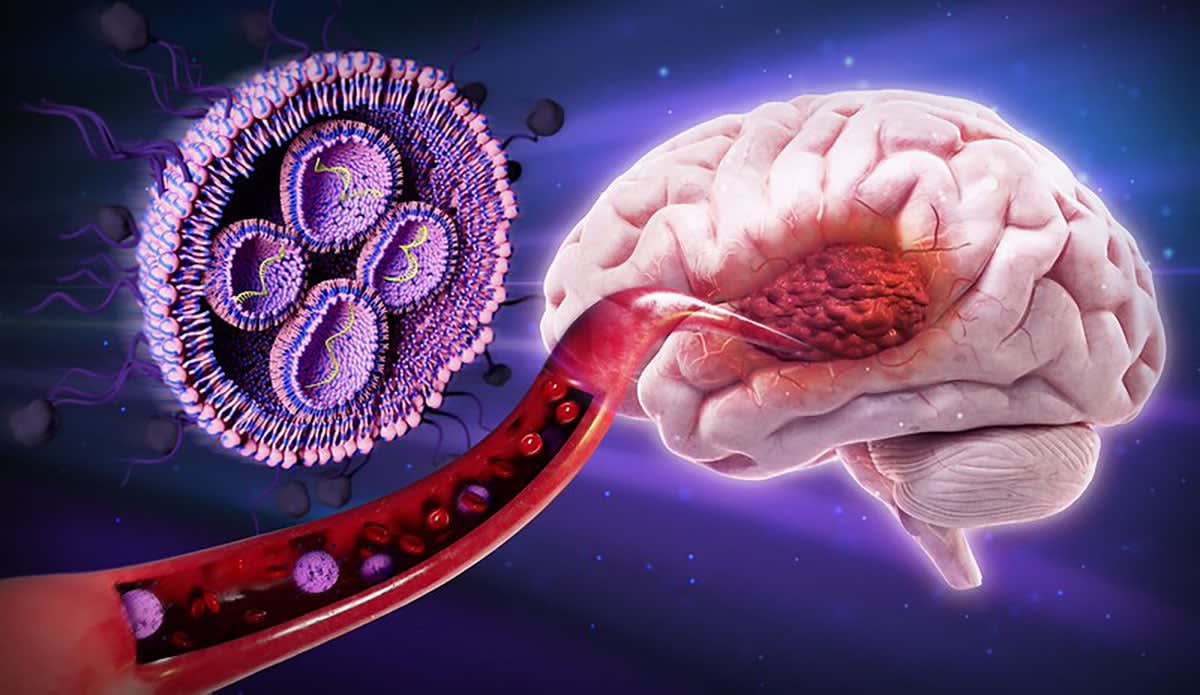
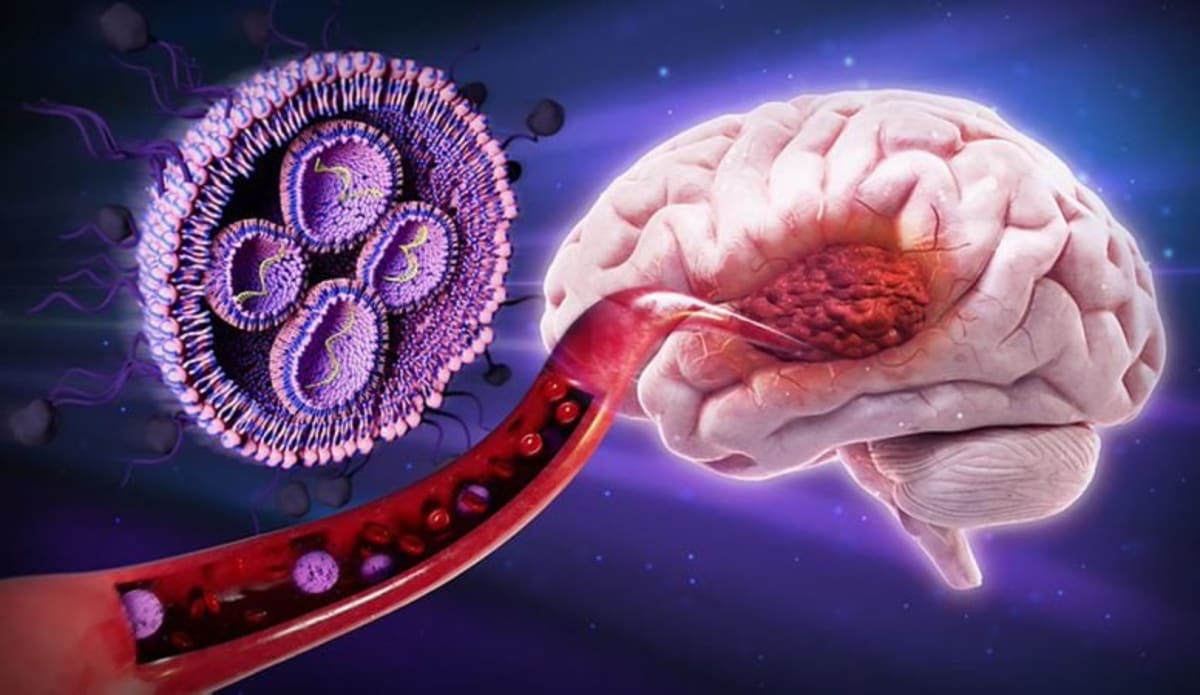
The team created tiny fat-based carriers called lipid nanoparticles and coated them densely with mannose. These microscopic sugar spheres carried messenger RNA programmed to restore PTEN, a growth-controlling protein that glioblastoma cells typically lose.
Here's the clever part. Brain blood vessels contain a transporter called GLUT1 that normally shuttles glucose into the brain. It also recognizes mannose, giving the sugar-coated nanoparticles a free pass through the blood-brain barrier.
"Blood contains relatively high concentrations of glucose, and that's what the nanoparticles are competing against," explained researcher Oleh Taratula. His team packed six times more mannose onto each particle's surface than previous attempts, making them competitive enough to grab GLUT1's attention.
Once inside the brain, the nanoparticles faced a second challenge: finding tumor cells while avoiding healthy tissue. Glioblastoma cells solved that problem themselves by expressing three times more GLUT1 than normal brain cells, essentially putting up welcome signs for the sugar-coated medicine.
Why This Inspires
This breakthrough tackles two major obstacles that have stumped brain cancer treatment for decades. Getting medicine into the brain is hard enough. Getting it to concentrate in tumors without harming healthy tissue is even harder.
The Oregon State team solved both problems with one innovation. Their nanoparticles crossed the blood-brain barrier and accumulated preferentially in tumor tissue, shrinking tumors across repeated doses without measurable organ damage.
In mice with glioblastoma, the treatment increased median survival by 50% compared to untreated animals. The findings come from preclinical research, meaning human trials haven't started yet, and many promising mouse treatments don't translate perfectly to people.
Still, the approach represents genuine progress for a cancer that affects about 3 out of every 100,000 Americans. Glioblastoma is more common in men and typically strikes around age 64, leaving families with few good options and little time.
The research was supported by the National Cancer Institute and published in the Journal of Controlled Release. The team included Oleh Taratula, Olena Taratula, and Yoon Tae Goo from OSU's College of Pharmacy.
What makes this discovery especially hopeful is its elegance: using the body's own systems to deliver healing where it's needed most.
More Images
Based on reporting by Google News - Health Breakthrough
This story was written by BrightWire based on verified news reports.
Spread the positivity!
Share this good news with someone who needs it