Silver Nanoparticles Make DNA Assembly 5x More Efficient
Japanese scientists have developed a silver nanoparticle technique that makes assembling DNA up to five times more efficient than traditional methods. The breakthrough could eventually simplify creating gene therapies, cancer vaccines, and improved crops.
Scientists in Japan just made building DNA sequences dramatically easier, opening doors for better cancer treatments and disease-resistant crops.
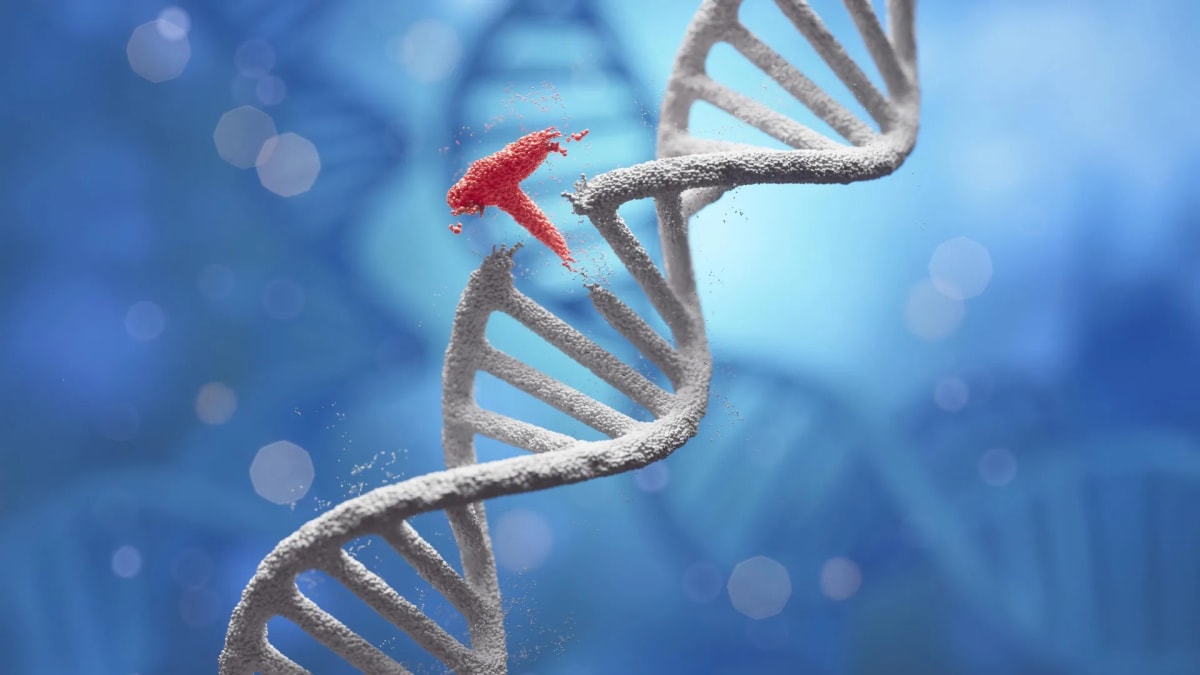
Researchers at Nagoya University developed a new method using tiny silver particles that cuts and connects DNA fragments up to five times more efficiently than conventional approaches. The technique solves a problem that has frustrated genetic engineers for decades.
Building with DNA is a bit like assembling a puzzle. Scientists cut DNA strands at specific locations and reconnect the pieces with new genetic material. The trick is creating the right "sticky ends," exposed sections that help DNA fragments bond together properly.
Traditional methods use restriction enzymes to make these cuts, but they only recognize certain DNA sequences and produce relatively short sticky ends. This limits how efficiently the pieces connect.
Professor Hiroshi Abe and his team tried a different approach inspired by chemistry research from the early 1990s. They used silver ions to cut specially modified DNA, but those ions caused problems by sticking to unwanted places and making the DNA clump together. Only 14% of the DNA could be recovered.
The breakthrough came when the researchers switched to silver nanoparticles instead of ions. These microscopic particles could be separated from the mixture through simple spinning, making DNA recovery much easier. By coating the nanoparticles with a polymer called PEG, they boosted cutting efficiency to over 90% at comfortable temperatures that don't damage DNA.
The nanoparticle method delivered an unexpected bonus. Unwanted DNA fragments stuck to the particle surfaces while the desired pieces with sticky ends remained free in solution. This built-in cleanup raised DNA recovery from a frustrating 14% to an impressive 98%.
The real power showed up when connecting DNA fragments. The silver nanoparticles created sticky ends with 18 bases, much longer than what traditional enzymes can produce. When the team used these longer overhangs, their joining efficiency hit 44% compared to just 8% with conventional 4-base sticky ends.
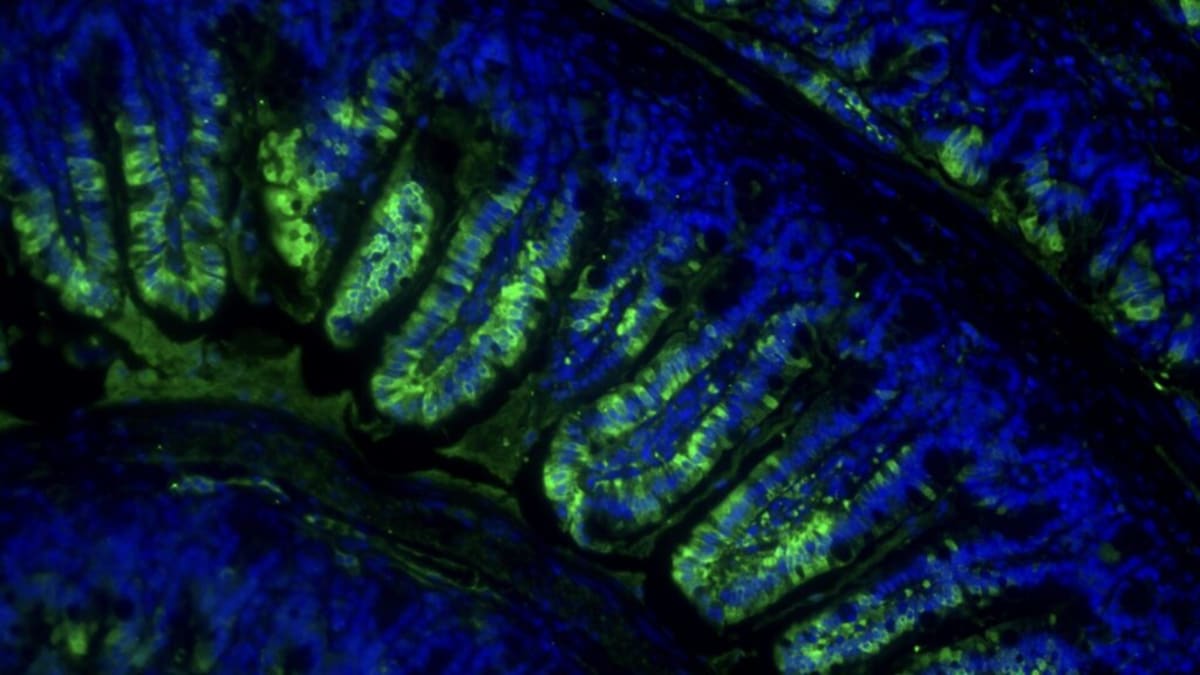
To prove the method works in living cells, the researchers assembled DNA for green fluorescent protein and inserted it into human cells. The cells glowed green, confirming the DNA had been built correctly.
The Ripple Effect
This advance could ripple across medicine and agriculture in exciting ways. Building long DNA sequences is essential for developing personalized cancer vaccines that train the immune system to attack tumors. Gene therapies that fix inherited diseases also rely on accurate DNA assembly.
The agricultural benefits are equally promising. Scientists could more easily engineer crops that resist drought, disease, or pests without relying on chemical treatments. Creating artificial proteins for new medications would become more straightforward too.
Assistant Professor Masahito Inagaki, who led the experimental work, explained that the technology could prove useful for synthesizing entire genomes. His team now wants to test whether they can join multiple DNA fragments simultaneously rather than just two at a time, a crucial step toward building genome-scale DNA.
The research moves genetic engineering from painstaking precision work toward something more practical and accessible.
Based on reporting by Science Daily
This story was written by BrightWire based on verified news reports.
Spread the positivity!
Share this good news with someone who needs it