New Oil Refining Method Cuts Energy Use by 90%
Scientists in China have created a revolutionary way to refine crude oil that uses 91% less energy by separating molecules at room temperature instead of boiling them repeatedly. If scaled up globally, this breakthrough could slash emissions from one of the world's largest industrial polluters.
Imagine transforming one of the planet's dirtiest industries without changing what it produces. That's exactly what researchers at China's Dalian Institute of Chemical Physics have achieved with a game-changing approach to oil refining.
Their innovation replaces the century-old method of boiling crude oil over and over with something they call "molecular refining." Instead of using extreme heat, they separate different oil molecules at room temperature using specially designed chemical membranes that work like ultra-precise sieves.
Here's why the old way was so energy-hungry. Traditional refining relies on tiny differences in boiling points between chemicals in crude oil. That means heating the same oil multiple times to separate gasoline from diesel from plastics ingredients. It's effective but extraordinarily wasteful.
The new membranes filter molecules based on size rather than heat. One membrane catches the straight-chain molecules used to make ethylene. Another separates the branched molecules that become gasoline. The size difference they're working with? One one-hundredth of a nanometer, smaller than you can imagine.
After perfecting their membrane designs, the researchers tested them on a mixture containing 15 different chemicals. They successfully sorted everything into three groups of high-value products with recovery rates between 85 and 90%. And because nothing needed boiling, the process consumed 91% less energy.
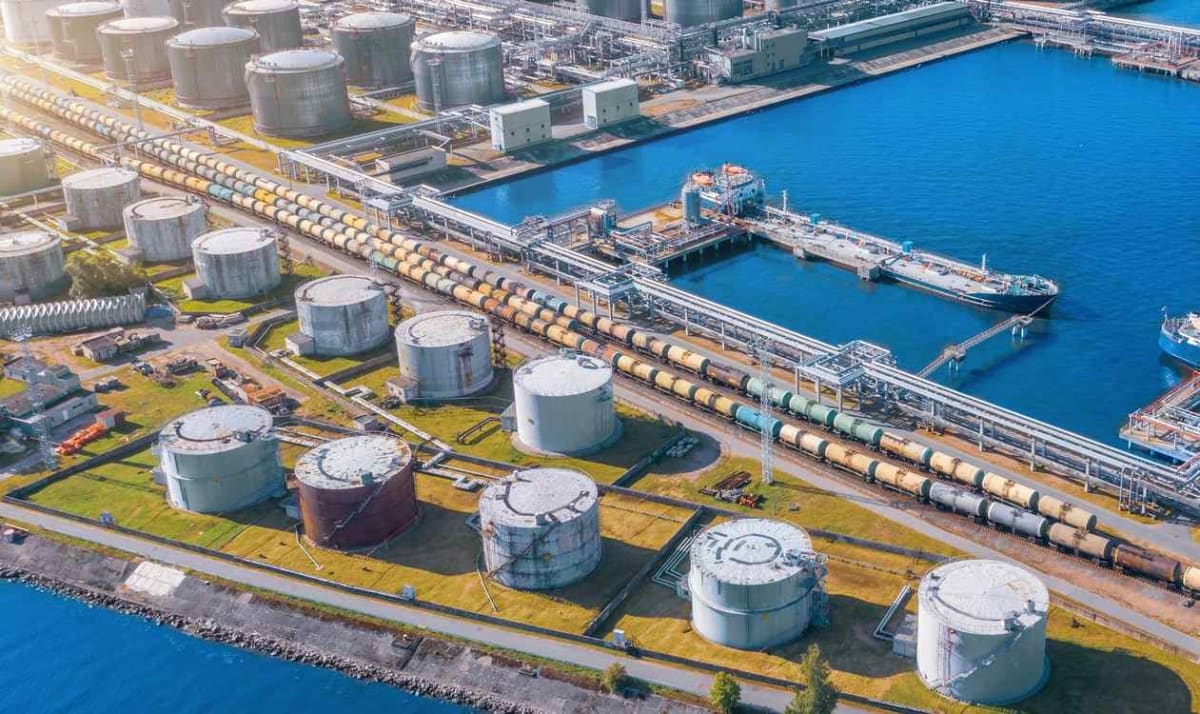
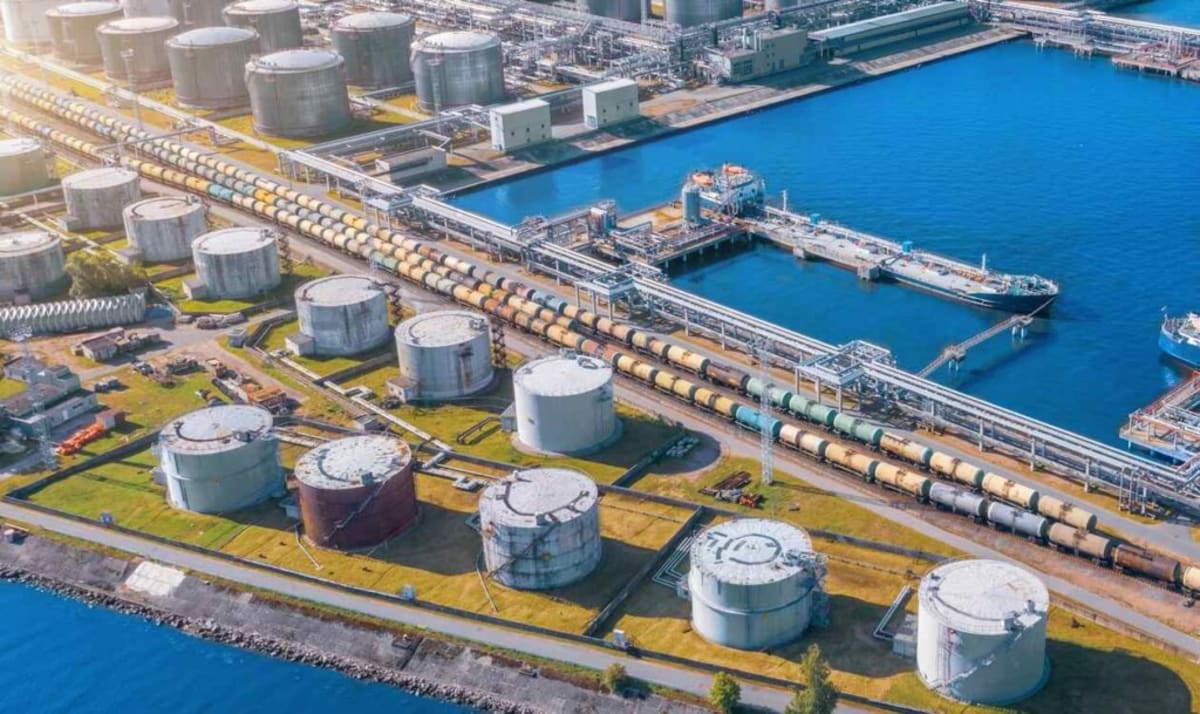
The global impact could be massive. Oil refining currently ranks as the third largest stationary source of CO2 emissions worldwide, pumping out 1.3 gigatons annually. That's more than all maritime shipping or aviation combined, accounting for up to 4% of human-related carbon emissions.
The Ripple Effect
If this lab success scales to real refineries, the benefits multiply across thousands of products. Crude oil feeds into everything from car tires to cosmetics, meaning cheaper and cleaner production could ripple through entire supply chains.
The cost savings alone could reshape economics for fuel-dependent industries. Lower refining costs typically translate to reduced prices for transportation, manufacturing, and shipping, making everyday goods more affordable.
Environmental groups have long struggled with oil's dual nature: harmful to produce but essential to modern life. This technology offers something rare, a way to dramatically reduce harm without requiring society to abandon products people depend on.
The researchers acknowledge that lab results and industrial reality often differ. Scaling up poses engineering challenges that won't be solved overnight. But the fundamentals work, and that's where every revolution starts.
A 90% energy reduction in an industry this massive doesn't just move the needle on climate goals, it bends the curve.
More Images



Based on reporting by Good News Network
This story was written by BrightWire based on verified news reports.
Spread the positivity!
Share this good news with someone who needs it