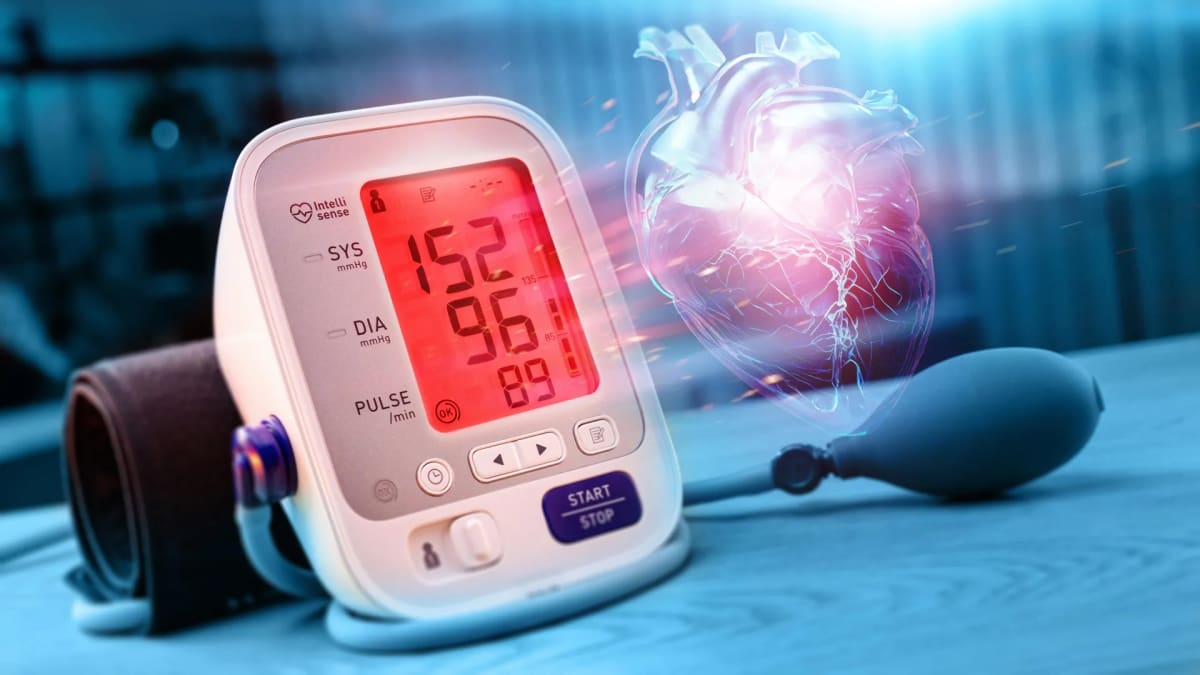
New Pill Cuts Stubborn High Blood Pressure by 10 Points
A breakthrough medication called baxdrostat is giving hope to hundreds of millions of people whose dangerously high blood pressure won't respond to standard treatments. The pill targets a key hormone that causes the body to retain salt and water, lowering blood pressure enough to significantly reduce the risk of heart attacks and strokes.
For the first time in years, people battling stubborn high blood pressure that refuses to budge have a genuine reason to feel hopeful.
A new medication called baxdrostat has proven remarkably effective at lowering dangerously high blood pressure in patients who haven't responded to existing treatments. In a major international trial involving nearly 800 patients across 214 clinics worldwide, the once-daily pill reduced blood pressure by nearly 10 points more than a placebo.
That might sound modest, but it's actually a game changer. A reduction of this size is clinically proven to substantially lower the risk of heart attack, stroke, heart failure, and kidney disease.
Professor Bryan Williams from University College London led the groundbreaking BaxHTN trial, which was published in the New England Journal of Medicine. The results were presented at the European Society of Cardiology Congress in Madrid earlier this year.
Around 1.3 billion people worldwide live with high blood pressure, and nearly half of them struggle to control it even with multiple medications. In the UK alone, that's approximately 10 million people who could potentially benefit from this breakthrough.
What makes baxdrostat different is how it works. The medication blocks production of aldosterone, a hormone that tells your body to hold onto salt and water. When you produce too much aldosterone, your blood pressure rises and becomes incredibly difficult to manage.
Scientists have tried to solve this problem for years, but the body's salt and water regulation system has proven stubbornly complex. Baxdrostat appears to have cracked the code by going straight to the source.
After 12 weeks on the medication, around 40 percent of patients reached healthy blood pressure levels. In the placebo group, fewer than 20 percent achieved those same targets.
The global burden of high blood pressure has shifted dramatically over recent decades. While it once primarily affected wealthier Western countries, changing diets and lifestyle patterns mean more than half of all cases now occur in Asia, including 226 million people in China and 199 million in India.
The Ripple Effect
The implications extend far beyond individual patients. Cardiovascular disease remains the leading cause of death worldwide, and uncontrolled high blood pressure is one of its biggest drivers.
If baxdrostat becomes widely available, it could potentially help up to half a billion people globally finally get their blood pressure under control. That translates to countless prevented heart attacks, strokes, and cases of kidney disease in the years ahead.
The medication showed no unexpected safety concerns through 32 weeks of follow-up monitoring. Patients simply took one pill daily alongside their existing blood pressure medications.
Professor Williams notes that the findings represent both a treatment advance and a major step forward in understanding what causes difficult-to-control blood pressure in the first place. The success of baxdrostat confirms that excess aldosterone plays a critical role in millions of cases previously considered resistant to treatment.
For families watching loved ones struggle with dangerous blood pressure readings despite taking multiple medications faithfully, this research offers something precious: a genuine path forward.
Based on reporting by Google News - New Treatment
This story was written by BrightWire based on verified news reports.
Spread the positivity!
Share this good news with someone who needs it