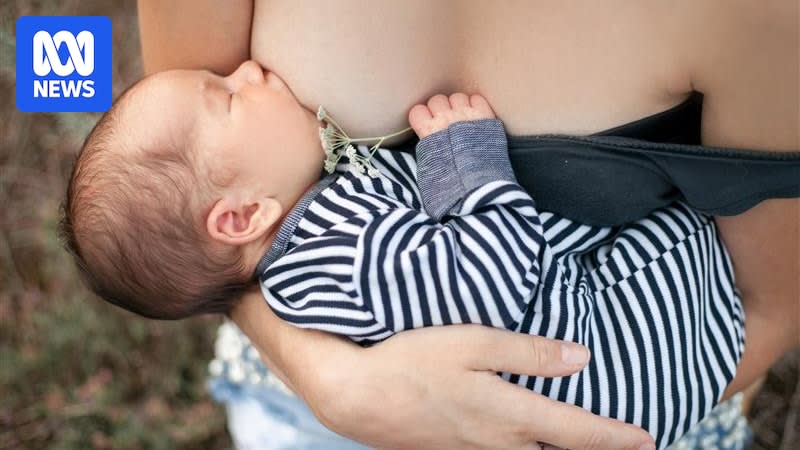
New Prep Tips Help 96% of Aussie Mums Start Breastfeeding
Australian health experts are sharing breakthrough preparation strategies that help new mothers meet their breastfeeding goals. Simple education before birth is making a real difference in extending breastfeeding success beyond the challenging first months.
Nearly every new mother in Australia starts breastfeeding, but a knowledge gap is keeping many from reaching their goals.
The numbers tell an inspiring story of potential. While 96 percent of Australian mothers begin breastfeeding, experts like Brisbane GP Pamela Douglas and the Australian Breastfeeding Association are now focusing on something that can change everything: preparation before baby arrives.
Charlotte Fielding, assistant branch president of the Australian Breastfeeding Association in Tasmania, says getting accurate, evidence-based information early is the key to success. Most expecting parents focus intensely on birth preparation but rarely give the same attention to breastfeeding.
The gap matters because by five months, exclusive breastfeeding drops to just 15 percent. The most common reasons mothers cite for stopping include concerns about milk supply, babies seeming unsettled, attachment difficulties, and pain.
Here's the hopeful part: these challenges are addressable with the right knowledge beforehand.
Fielding explains that education helps parents learn what's normal, making it easier to address issues faster when they arise. Understanding that newborns need frequent feeds, sometimes 12 times per breast in 24 hours, prevents unnecessary worry about supply.
Simple signs like wet nappies tell parents their baby is thriving. By five days old, babies should have at least five wet disposable nappies or six very wet cloth nappies daily, plus three daily bowel movements until six weeks old.
Dr. Douglas emphasizes that breastfeeding works on supply and demand. The more milk removed from the breast, the more milk mothers make. She recommends frequent, flexible feeds rather than rigid schedules, giving babies lots of opportunity without forcing.
For pain concerns, while some initial tenderness is normal, severe or lingering nipple pain signals something needs adjusting. Dr. Douglas recommends the gestalt breastfeeding method, which allows babies to explore the breast in a comfortable, reclined position for better attachment.
The Ripple Effect
When mothers reach their breastfeeding goals, everyone benefits. Babies who breastfeed exclusively and for longer durations show lower risks of infections, obesity, and childhood cancers. Mothers who breastfeed longer experience reduced risks of breast and ovarian cancers.
The World Health Organization recommends continuing breastfeeding for two years and beyond, alongside appropriate foods after six months. Australian guidelines align with supporting mothers to breastfeed as long as they and their babies desire.
The Australian Breastfeeding Association's support helpline fields thousands of calls about these exact concerns, confirming that preparation makes the difference between struggling alone and confidently navigating early challenges.
Knowledge transforms the journey from overwhelming to manageable, helping Australia's impressive 96 percent starting rate extend much further into those crucial early months and beyond.
More Images


Based on reporting by ABC Australia
This story was written by BrightWire based on verified news reports.
Spread the positivity!
Share this good news with someone who needs it