New Recycling Method Could End Single-Use Plastics
Scientists have cracked a major barrier in plastic recycling with a breakthrough process that restores color, removes odors, and keeps plastic quality high. This innovation could finally make plastics truly reusable instead of destined for landfills after one use.
Imagine if every plastic bottle, container, and wrapper could be recycled endlessly instead of ending up in oceans and landfills after a single use. That future just got a lot closer.
Researchers at Worcester Polytechnic Institute and the University of Akron have developed a game-changing recycling method that solves problems that have plagued the industry for decades. Currently, less than 20% of plastics get recycled because the process damages the material, leaves ugly discoloration, and carries over toxic smells.
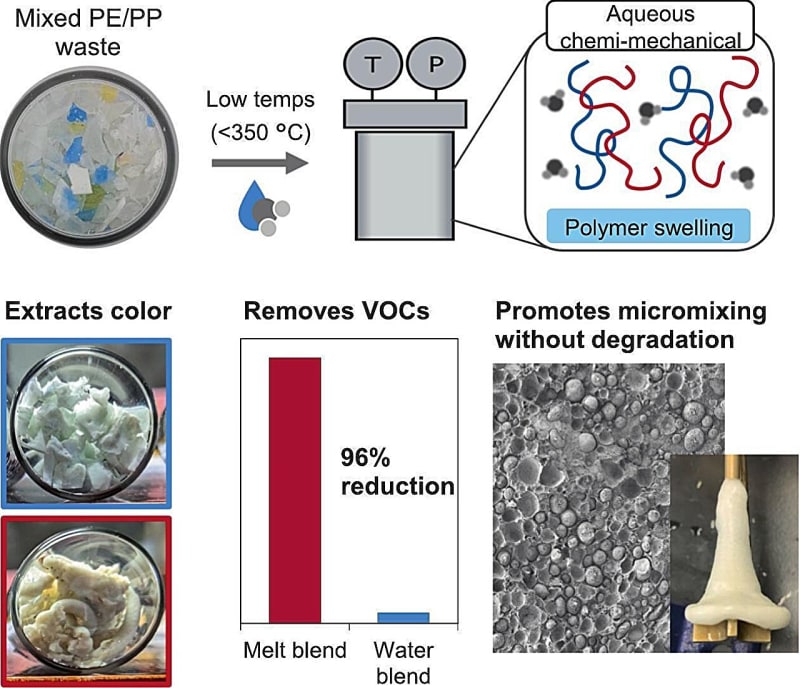
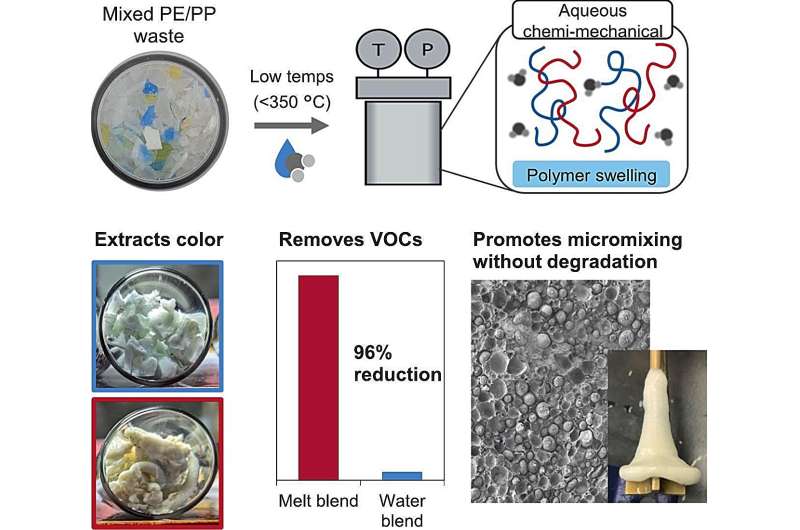
The new approach, called aqueous chemi-mechanical recycling, uses superheated water to transform how plastic polymers behave. When heated beyond water's normal boiling point, the plastics enter a state where different types can blend together at the microscale, creating a uniform material instead of a mismatched mess.
The results are remarkable. Tests showed a 96% reduction in the volatile organic compounds that give recycled plastic its distinctive unpleasant smell. The process also strips away pigments, returning the material to a color close to virgin plastic. Most importantly, it preserves the molecular integrity that mechanical recycling destroys, all while using far less energy than chemical recycling methods.
The team found that careful temperature control prevents the breakdown that typically happens when plastics get recycled. This means the material maintains its strength and flexibility, making it suitable for the same high-quality uses as brand-new plastic.
The economics look promising too. The researchers report that this method can produce recycled plastics at prices similar to virgin plastic, with a carbon footprint comparable to traditional mechanical recycling and much smaller than incineration.
The Ripple Effect spreads far beyond just cleaner recycling bins. With large quantities of plastic currently dumped in landfills or entering oceans, this technology represents a path to capturing that lost potential. Every bottle that can be recycled multiple times instead of once means less environmental damage and fewer resources extracted to make new plastic.
The research team is already planning to scale up the technology while continuing to study the underlying science. Their partner startup, Seauciel, is working to bring the process from laboratory to industrial scale.
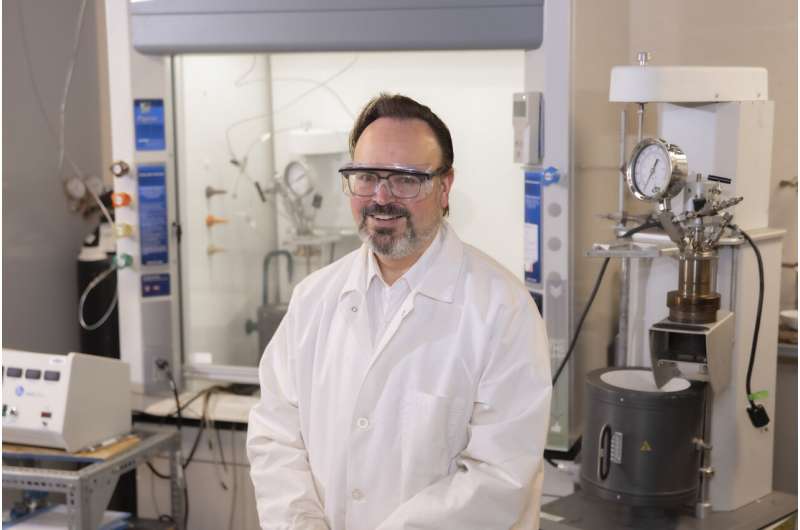
Professor Michael Timko, who heads Worcester Polytechnic Institute's Chemical Engineering department and co-authored the study published in Chemical Engineering Journal, puts it simply: "With continued progress, this new technology could ultimately make single-use plastics a thing of the past."
That world where your water bottle becomes another water bottle, then a food container, then packaging material, cycling through useful lives instead of floating in the ocean, might finally be within reach.
More Images

Based on reporting by Phys.org
This story was written by BrightWire based on verified news reports.
Spread the positivity!
Share this good news with someone who needs it