New Rubin Observatory Spots 1,500 Asteroids in First Images
The world's most powerful space survey telescope just started collecting data, and it's already discovering asteroids at a mind-blowing pace. In its very first images, the Rubin Observatory found 1,500 new asteroids, including some spinning faster than scientists thought possible.
A new telescope in Chile's Atacama Desert just proved it can spot as many asteroids in a single year as humanity has discovered in the past two centuries.
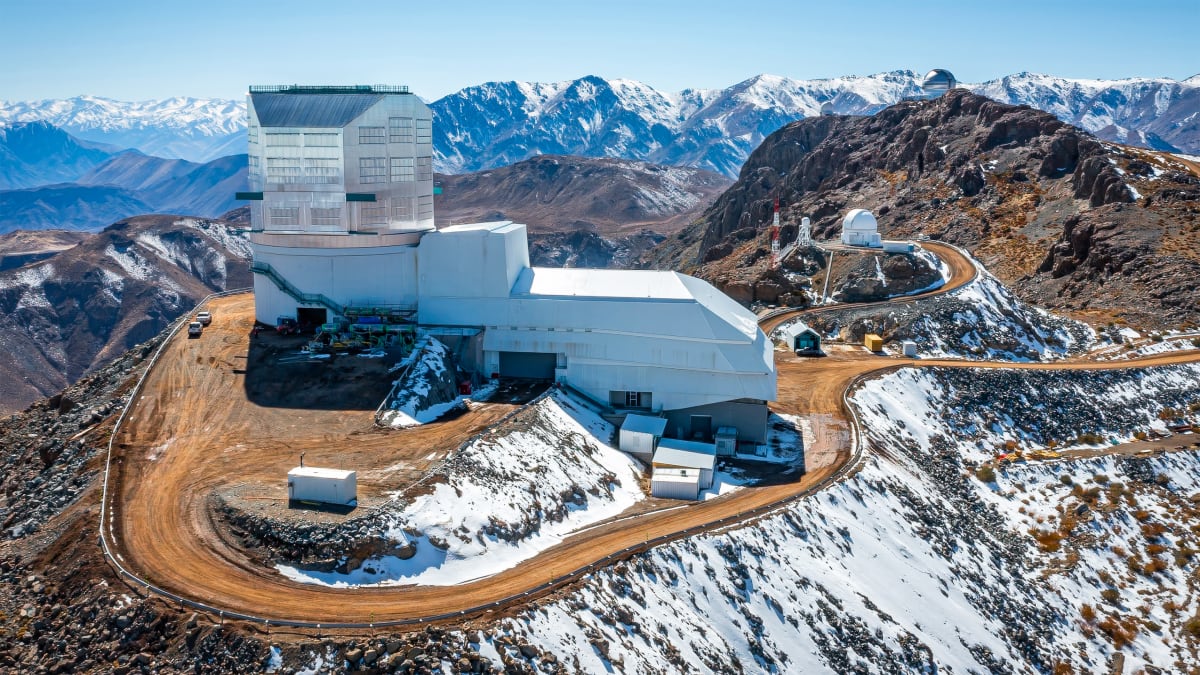
The Vera C. Rubin Observatory, perched atop Cerro Pachón mountain, recently began snapping preliminary images of the night sky. Even before reaching its full power, it's making discoveries that have astronomers buzzing with excitement.
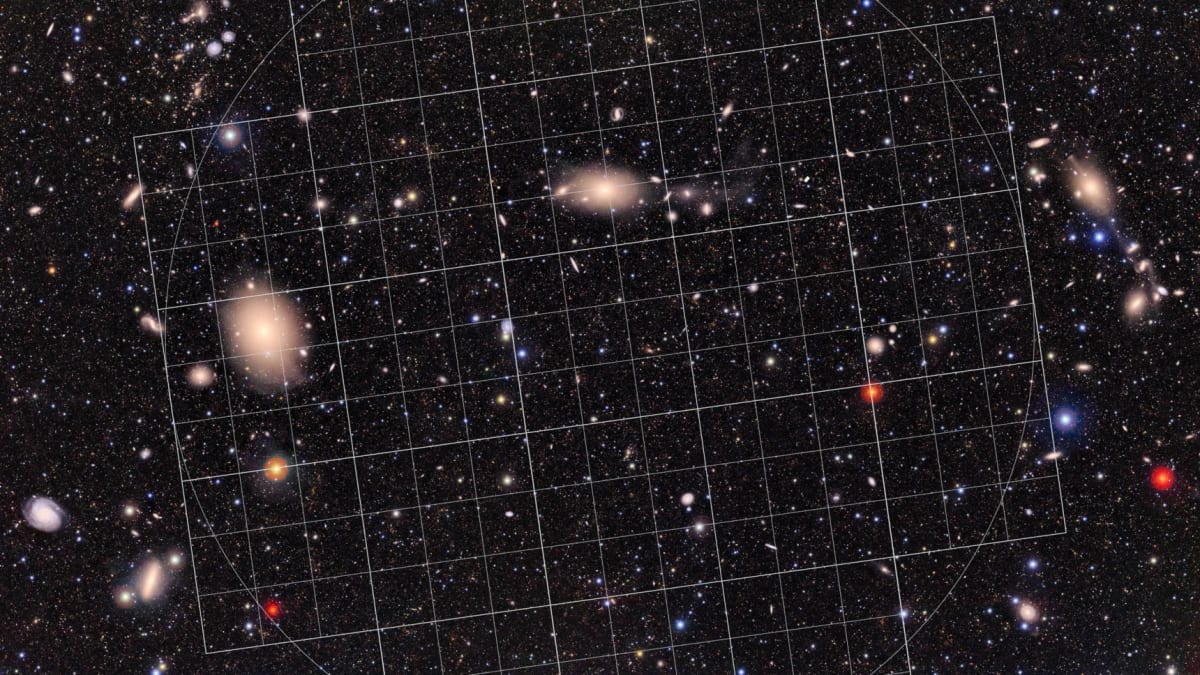
In June 2025, Rubin released its "first light" images containing 1,500 previously unknown asteroids. That's just a taste of what's coming: scientists expect the observatory to find 1 million undiscovered asteroids in its first year alone.
"It almost doesn't feel real that we're actually getting data from Rubin," said Matt Nicholl, an astrophysicist at Queen's University Belfast. "To see stuff being found is a dream come true."
Among those early discoveries, 19 asteroids stood out for their incredibly rapid spin. The fastest, named 2025 MN45, completes a full rotation every 1.88 minutes.
That might not sound extraordinary until you consider its size. This skyscraper-sized rock stretches about 700 meters across, nearly twice the height of the Empire State Building.
Scientists didn't think asteroids this large could spin so fast. Most rocks this size are thought to be loose piles of rubble held together by gravity, which should fly apart at such speeds.
The discovery suggests 2025 MN45 must be made of stronger stuff, challenging what researchers thought they knew about asteroid composition. "We didn't expect we would find something spinning faster than 10 minutes," said Dmitrii Vavilov of the University of Washington.
Rubin's secret weapon is its ability to photograph the entire Southern Hemisphere sky every few days for the next decade. This creates the world's largest time-lapse movie of space, capturing everything that moves or changes.
The observatory houses three mirrors, the largest measuring 8.4 meters across, plus a car-sized digital camera that's the biggest on Earth. Together, they can spot objects that other telescopes miss.
Sarah Greenstreet, an astronomer at the National Optical-Infrared Astronomy Research Laboratory, called it unprecedented. "We've never had this kind of explosion of discovery within astronomy," she said.
The Ripple Effect
Beyond asteroids, Rubin has already spotted exploding stars, rapidly changing galaxies, and even caught a rare glimpse of an object visiting from another solar system. These early wins are just the beginning.
The telescope will help scientists track potentially hazardous space rocks, understand how stars die, and map billions of galaxies. All that data will be publicly available, meaning anyone from professional astronomers to amateur enthusiasts can make discoveries.
After a decade of construction on a remote Chilean mountaintop, the dream of scanning the entire sky every few nights is becoming reality.
More Images



Based on reporting by Google News - Science
This story was written by BrightWire based on verified news reports.
Spread the positivity!
Share this good news with someone who needs it