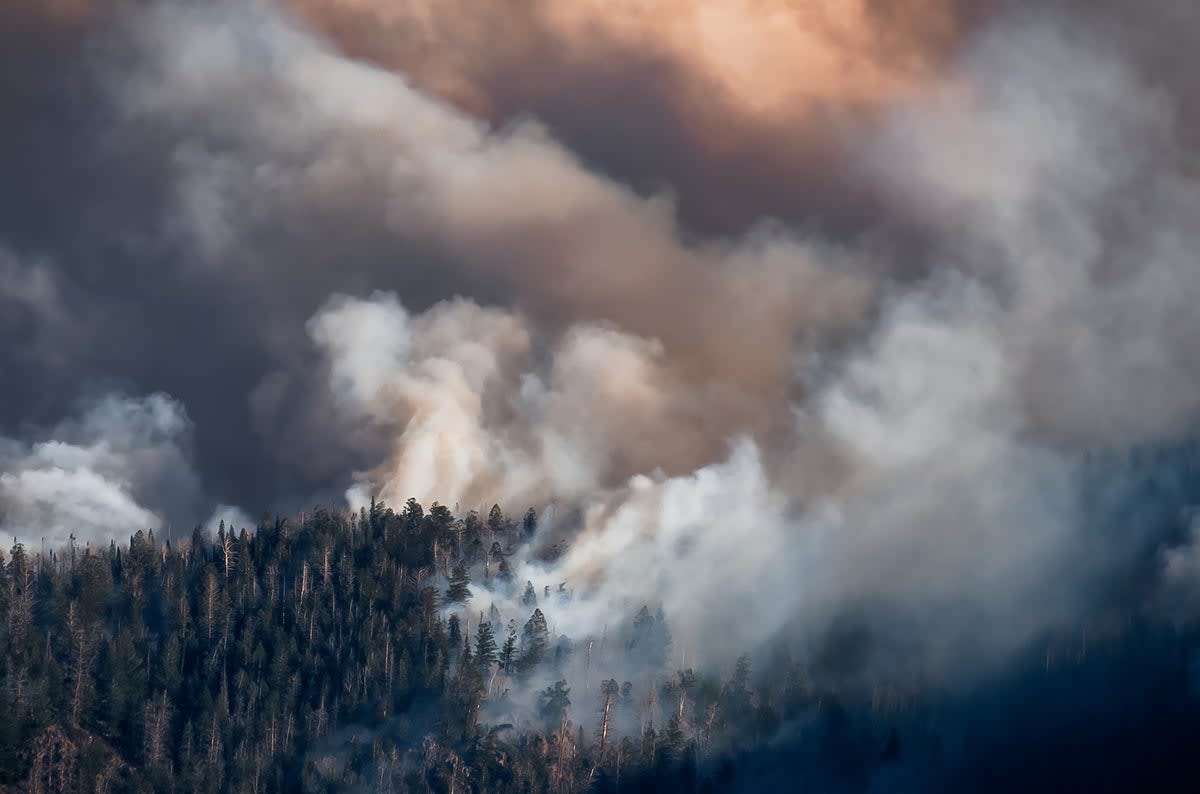
New Satellites to Catch Wildfires Before They Spread
A network of 50+ satellites launching over the next four years promises to detect wildfires when they're still small enough to stop quickly. Combined with advanced monitoring systems, these technologies could save lives and prevent billions in damage.
Scientists are racing to solve one of firefighting's biggest challenges: spotting wildfires before they explode into unstoppable infernos.
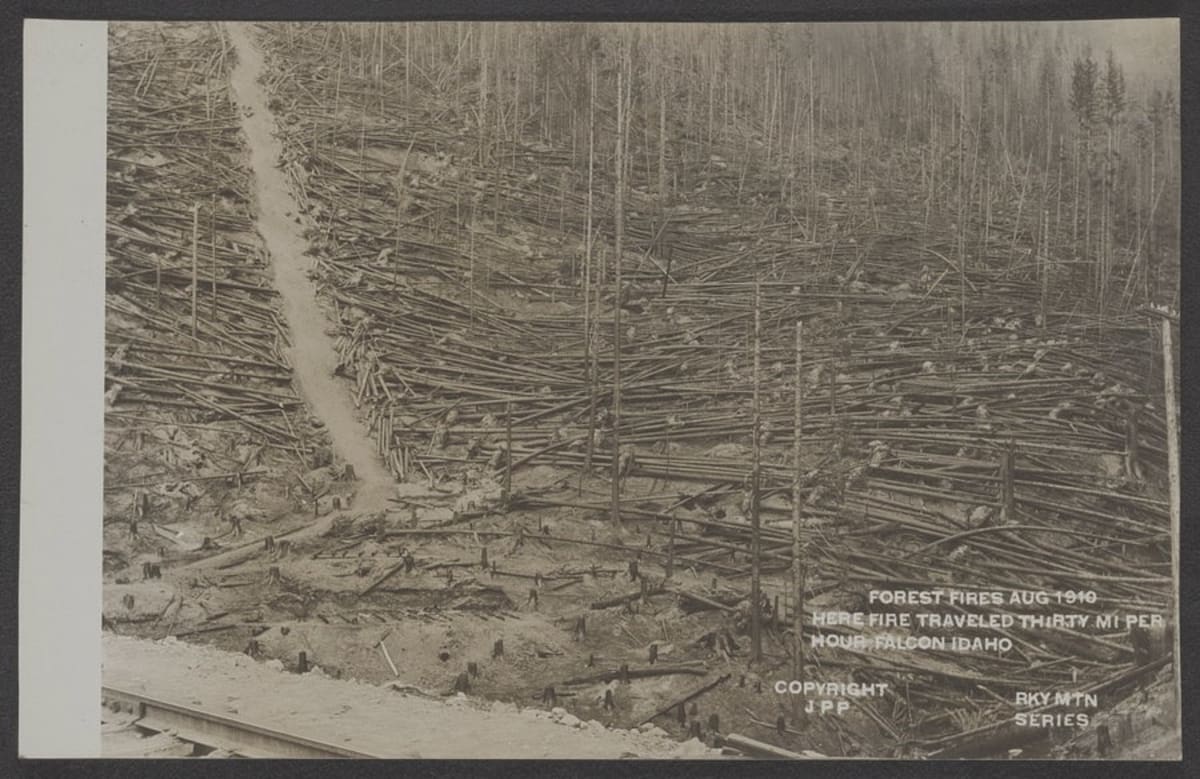
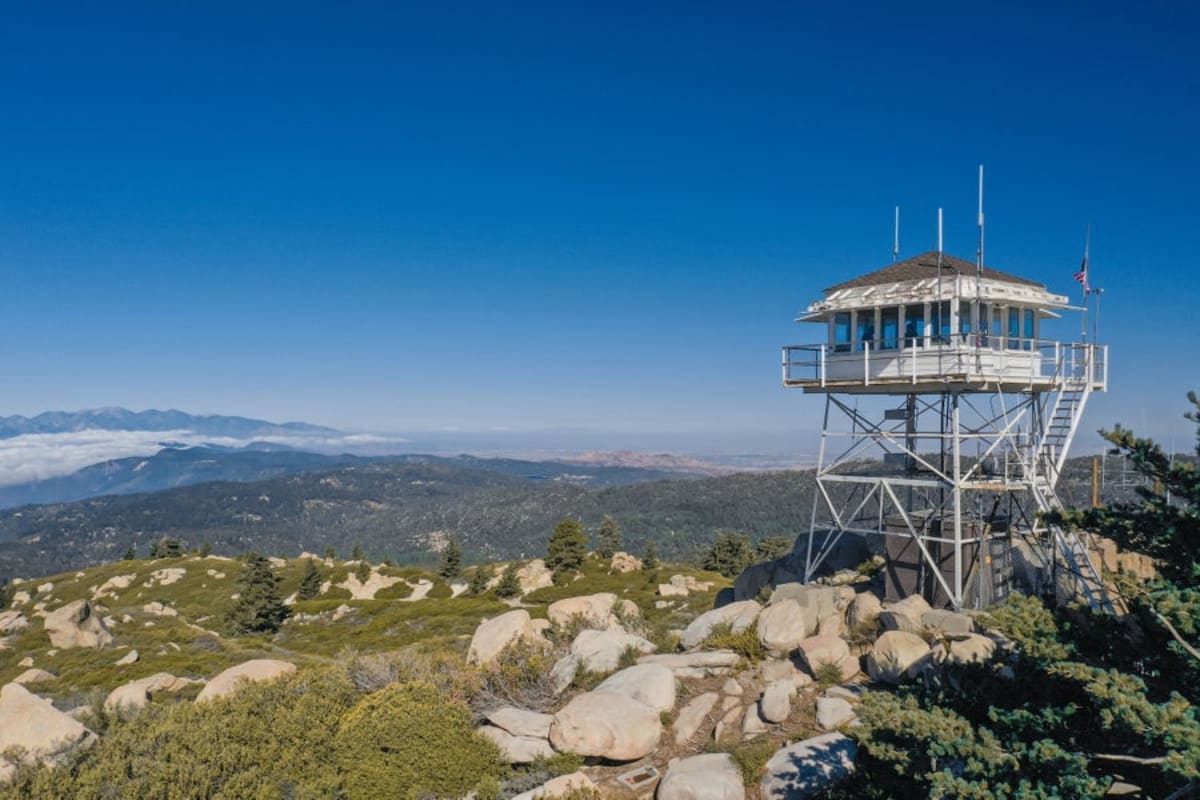
For over a century, fire detection barely changed. After the historic 1910 "Big Burn" killed nearly 90 people and scorched three million acres across the northwestern U.S., the Forest Service built 8,000 lookout towers across fire-prone regions. Human observers would scan horizons for telltale smoke plumes and direct crews to nascent blazes.
Those towers worked, but they were expensive to staff and maintain. Today only a few hundred remain operational, leaving vast stretches of wildland unwatched during peak fire season.
Satellites offered hope starting in 1980, but they faced frustrating tradeoffs. High-orbit satellites could monitor continuously but couldn't see small fires. Low-orbit satellites could spot smaller blazes but only passed overhead three or four times daily, missing fast-moving flames entirely.
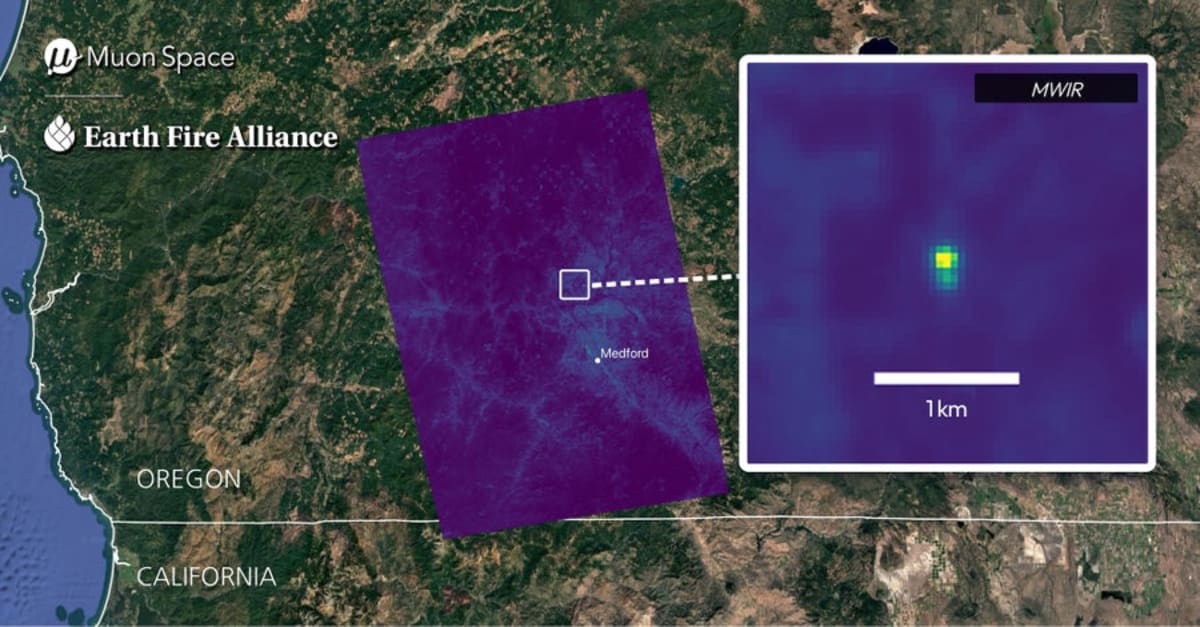
Now a breakthrough is arriving from above. The Earth Fire Alliance is launching a constellation of 50+ satellites designed to overcome both problems at once. Flying close enough to Earth to photograph even tiny fires, yet numerous enough to provide frequent updates, these satellites will track blazes as they develop in near real-time.
Three fully functional satellites launched earlier this year, with the complete network expected within four years. A prototype launched in March 2023 is already providing data that fire services worldwide are using to prepare for full integration.
On the ground, programs like ALERTCalifornia at UC San Diego are combining these space-based sensors with other emerging technologies. "All of these technologies are coming together, and they're positioning us in a better place," says Neal Driscoll, the program's principal investigator.
The timing couldn't be more critical. Climate change and expanding development into wildland areas are increasing fire risks dramatically. Wildfires directly kill about two dozen Americans yearly, cause widespread smoke-related illness, and cost hundreds of billions of dollars. Over the past decade alone, blazes have destroyed more than 97,000 structures.
Firefighting resources are already stretched dangerously thin as fire seasons overlap globally and grow more intense each year. Catching fires early, when they're still manageable, is firefighters' best weapon.
Why This Inspires
This isn't just incremental progress. For the first time in fire detection history, multiple technologies are maturing simultaneously and working together. Satellite constellations, ground-based monitoring systems, and yes, even some of those century-old lookout towers are forming an integrated network that can spot trouble before it spirals into catastrophe.
The volunteers who still staff fire towers know the feeling well. "When you see your first smoke, your heart starts to race," says Michael Guerin, who has spent years watching from fire lookouts. Soon that vigilance will be multiplied fifty-fold from space, giving firefighters the early warnings they desperately need.
Within four years, communities across fire-prone regions will have eyes in the sky watching over them around the clock.
More Images
Based on reporting by Scientific American
This story was written by BrightWire based on verified news reports.
Spread the positivity!
Share this good news with someone who needs it