New Schizophrenia Drug Offers Hope Without Weight Gain
A groundbreaking medication approved in 2024 treats schizophrenia through an entirely new approach, targeting brain receptors never before used in mental health treatment. The drug shows promise for managing symptoms without the severe metabolic side effects that have plagued patients for decades.
For the 23 million people worldwide living with schizophrenia, a new treatment offers something previously out of reach: effective symptom control without devastating weight gain and metabolic problems.
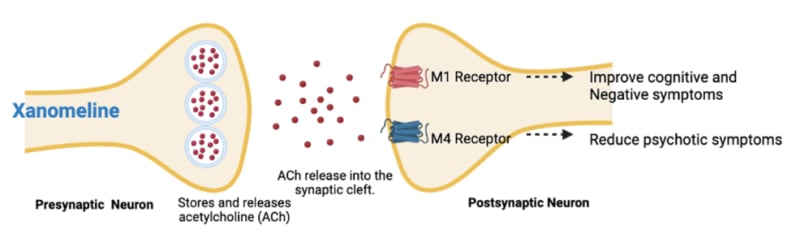
Xanomeline-trospium chloride became the first medication in its class approved for schizophrenia treatment in 2024. Unlike traditional antipsychotics that work through dopamine pathways, this drug targets muscarinic receptors in the brain, opening an entirely new frontier in psychiatric care.
The medication combines two clever components working in tandem. Xanomeline activates specific receptors in the brain that help reduce symptoms, while trospium blocks unwanted side effects in the rest of the body that plagued earlier attempts at this approach.
Clinical trials demonstrated the drug's effectiveness across positive symptoms like hallucinations and delusions, negative symptoms like social withdrawal, and cognitive difficulties that make daily functioning hard. What makes it particularly exciting is what it doesn't do.
Traditional antipsychotics often cause significant weight gain, diabetes risk, and metabolic syndrome, forcing patients to choose between managing their mental health and protecting their physical health. This new treatment showed no major metabolic impact in studies.
The most common side effects were mild to moderate digestive issues that typically resolved on their own. Discontinuation rates remained low, suggesting patients could stick with treatment longer than with previous options.
Why This Inspires
For families watching loved ones struggle with schizophrenia, this represents more than just another medication option. It validates decades of research into alternative treatment pathways and proves that innovation in mental health care hasn't stalled.
The approval signals a shift in how we approach one of psychiatry's most challenging conditions. Researchers are already exploring whether this mechanism could help with treatment-resistant cases and early intervention in first episodes of psychosis.
Beyond schizophrenia, scientists are investigating applications for other neuropsychiatric disorders, potentially opening doors for millions more patients seeking treatments that work with their bodies rather than against them.
The journey from concept to approval took years of careful research, but it demonstrates that persistent scientific inquiry can crack even the toughest medical puzzles. Mental health treatment continues advancing in ways that honor both the mind and body.
Based on reporting by Google News - New Treatment
This story was written by BrightWire based on verified news reports.
Spread the positivity!
Share this good news with someone who needs it