New Sensor Could End Toxic Deicing Fluid at Airports
A lightweight ice-detecting sensor developed at the University of Toronto could eliminate the need for toxic aircraft deicing chemicals while saving airlines time and money. The breakthrough technology detects ice forming in real time and may eventually melt it automatically.
Wintertime flight delays could soon become less frequent, thanks to a paper-thin sensor that spots ice before it becomes dangerous.
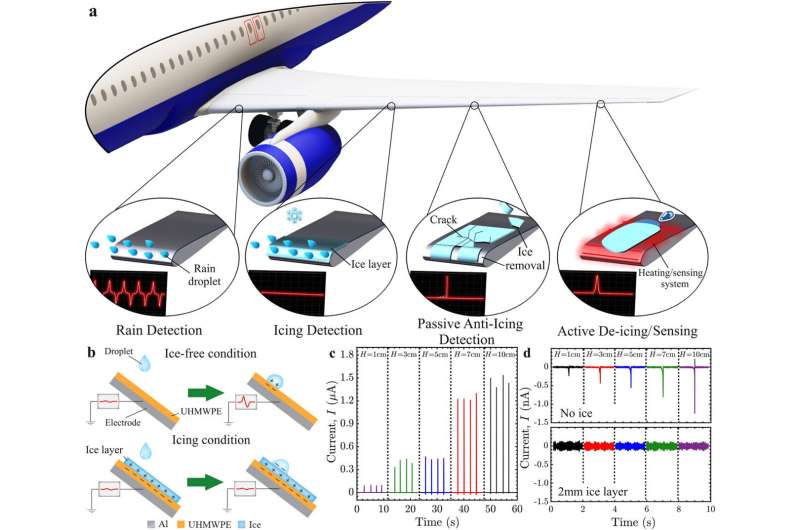
Researchers at the University of Toronto have created a lightweight coating that detects ice forming on aircraft wings, drone blades, and other surfaces in less than a millisecond. The system responds so quickly that drones can land safely before ice causes a crash, and planes could avoid costly ground delays.
The sensor works through contact and separation. When ice forms or melts on the coating, it creates distinct electrical signals that tell operators exactly what's happening. Unlike current systems that only monitor one tiny spot, this coating covers entire surfaces like wings or turbine blades.
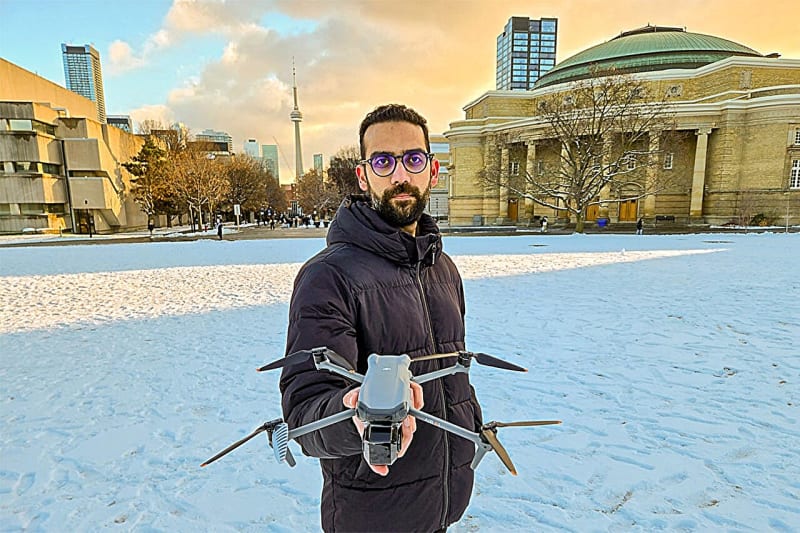
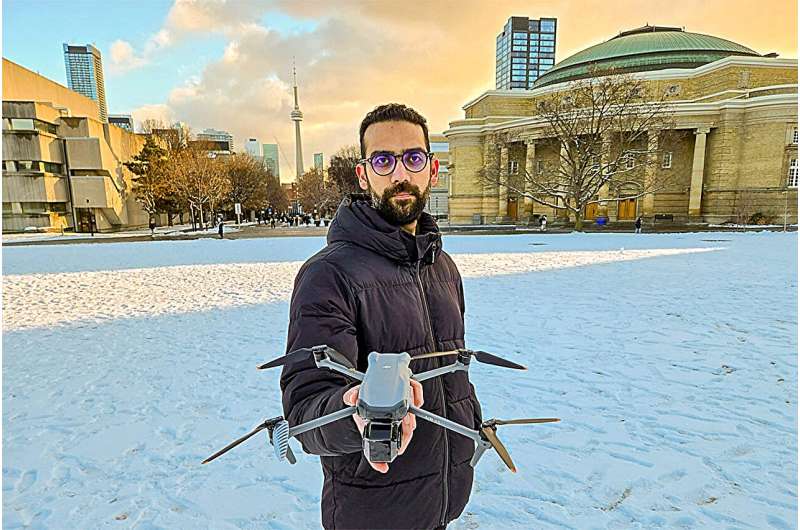
Lead researcher Kamran Alasvand Zarasvand tested the technology by flying drones through freezing water spray. He discovered that even a razor-thin line of ice on a blade was enough to bring a drone down. "One of the surprises in our research was just how vulnerable the drones were under cold weather conditions," he says.
The coating consists of just two ultra-thin layers: a metal electrode and a plastic surface. This simplicity makes it cheap to manufacture and light enough for small drones that deliver aid to remote regions or inspect power lines in winter. Commercial drone crashes in cold weather are common because most testing happens in wind tunnels under simulated conditions that don't match real flight.
The sensor can even tell different types of ice apart. Rime ice forms when planes fly through clouds, while freezing rain creates the most dangerous conditions for aircraft. Temperature data combined with the electrical signals reveal which threat pilots are facing.
The Ripple Effect
The real game changer is what comes next. Alasvand Zarasvand plans to use the same electrode layer as a heating element that switches on only when ice is detected, then turns off once melting is complete.
That targeted approach could eliminate the toxic deicing fluid currently sprayed on grounded aircraft. The chemicals harm wildlife and cost airlines significant money. Passengers know the frustration of sitting on the tarmac while crews coat the plane, adding delays to already stressful travel days.
Drones stand to benefit immediately since they're highly sensitive to ice accumulation. Emergency landings and crashes could become far less common once the heating system is integrated. Wind turbines in cold climates could also use the technology to keep generating clean energy through winter storms.
The next phase includes outdoor drone testing and adapting the system for different applications. "What we have is the first step, and now that we know this system works, it will be exciting to take it further," Alasvand Zarasvand says.
Safer skies, cleaner airports, and fewer delays are now within reach.
More Images
Based on reporting by Phys.org - Technology
This story was written by BrightWire based on verified news reports.
Spread the positivity!
Share this good news with someone who needs it