New Sensor Detects Gut Health in Minutes, Not Days
Scientists created a glowing nanosensor that reads your gut health in minutes instead of the days required by traditional testing. The breakthrough could help millions manage conditions like inflammatory bowel disease from home.
Checking your gut health might soon be as quick as testing your blood sugar, thanks to a breakthrough sensor developed by scientists at MIT and Singapore universities.
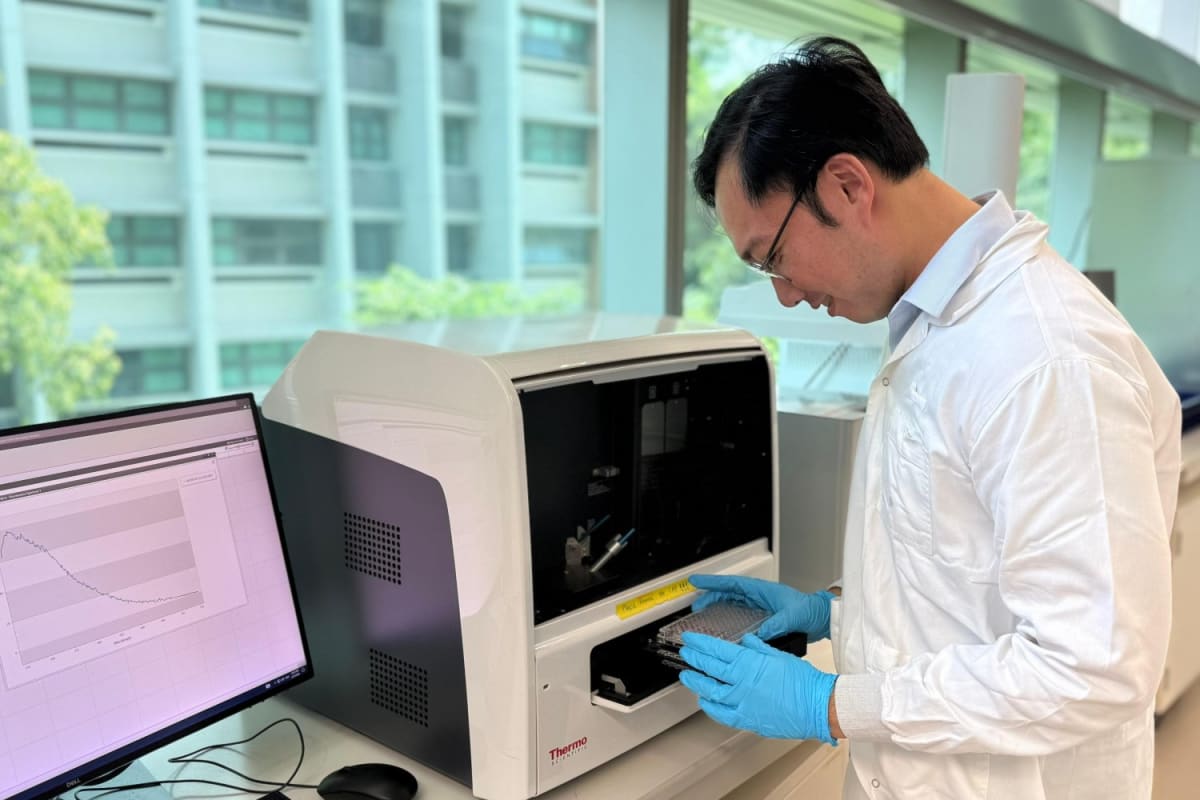
An international research team created a fluorescent nanosensor that detects a crucial gut health marker called indole-3-propionic acid (IPA) within minutes. Current testing methods require expensive lab equipment and take days to process, making routine gut health monitoring nearly impossible for most people.
IPA is a molecule produced by healthy gut bacteria when they break down protein from your food. Scientists have linked low IPA levels to inflammatory bowel disease, Type 2 diabetes, and liver disease. Until now, measuring IPA required mass spectrometry, a costly technique available only in specialized labs.
The new sensor uses tiny carbon nanotubes that light up when they encounter IPA. This glow can be measured quickly using simple optical equipment, giving results in minutes rather than days. The sensor can distinguish IPA from similar molecules in the gut, making it accurate even in complex samples like blood.
Researchers tested the technology on 125 patient blood samples from Singapore's National University Hospital. They found clear differences between healthy people and those with gut inflammation. Patients experiencing active flare-ups of Crohn's disease and ulcerative colitis showed significantly lower IPA levels, exactly as doctors would expect.
The technology works in two modes. The first uses visible light for quick lab testing that could screen many samples at once. The second uses near-infrared light that can penetrate tissues, opening the door for wearable devices that monitor gut health continuously.
The Ripple Effect
This innovation started with plants, not people. The same team originally developed the nanosensor technology to monitor crop health and stress in agriculture. Adapting it for human health shows how solutions in one field can transform another entirely.
For people living with inflammatory bowel disease, this could mean catching flare-ups before they become severe. Instead of waiting for symptoms and then scheduling tests, patients could monitor their gut health at home and adjust treatment proactively. That shift from reactive to preventive care could improve quality of life for millions.
The research team published their findings in Advanced Healthcare Materials and continues refining the technology for clinical use. Professor Mervin Ang from Nanyang Technological University says the platform could eventually become a portable device for routine health monitoring.
Nearly 7 million people worldwide live with inflammatory bowel disease, often facing unpredictable symptoms that disrupt daily life. A simple, fast way to track their gut health could restore a sense of control many patients have lost.
The sensor represents something bigger than gut health monitoring: it's proof that complex medical testing can become simple, accessible, and empowering.
Based on reporting by MIT News
This story was written by BrightWire based on verified news reports.
Spread the positivity!
Share this good news with someone who needs it