Ohio Hospital Debuts Ultrasound That Liquifies Liver Tumors
Kettering Health in Ohio now offers a groundbreaking liver cancer treatment that destroys tumors using sound waves alone—no surgery, no radiation, and patients often go home the same day. The non-invasive procedure can even target tumors other treatments can't reach.
Imagine treating cancer without a single incision, then walking out of the hospital hours later.
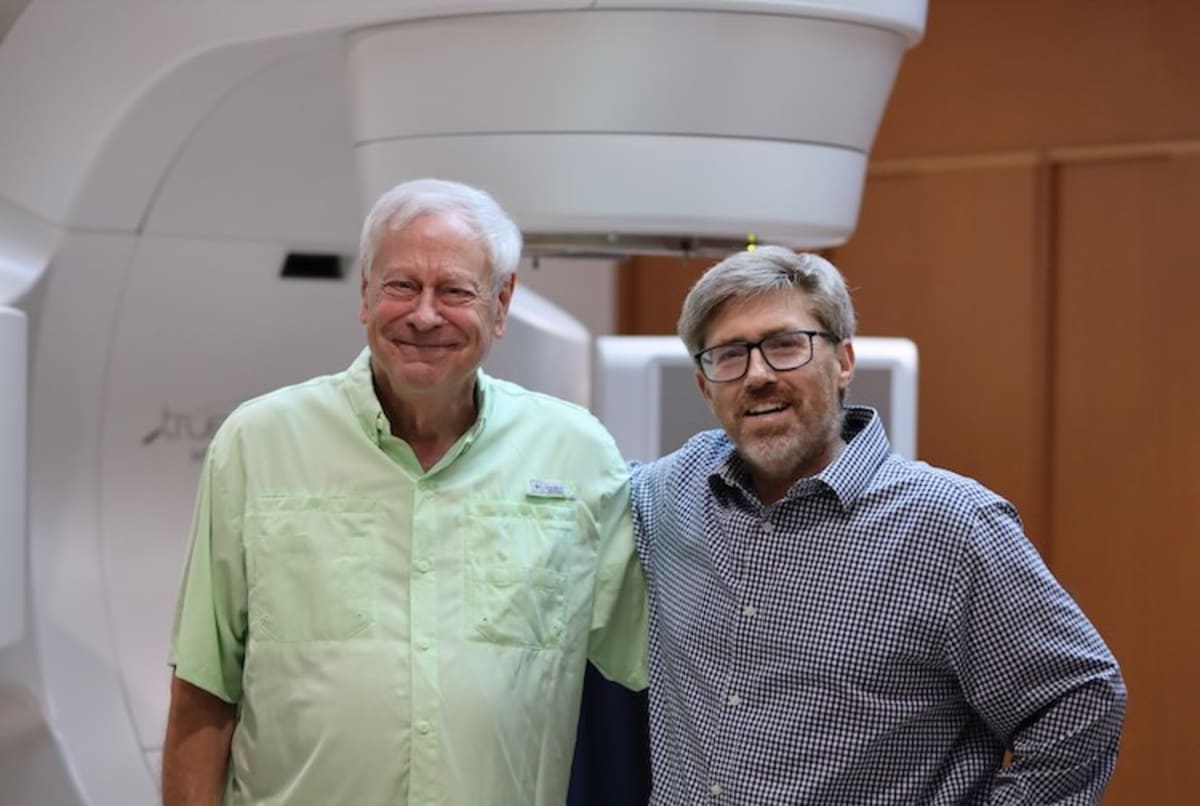
That's now reality at Kettering Health in Ohio, where doctors are using Histotripsy to treat liver tumors with focused ultrasound waves. The technology literally liquifies cancer cells without touching surrounding healthy tissue, offering hope to patients who previously had limited options.
The procedure works like a precision pen point marching through the tumor, destroying it piece by piece with high-energy sound waves. Patients receive general anesthesia to keep the liver still during the 10-minute treatment, then recover with minimal side effects.
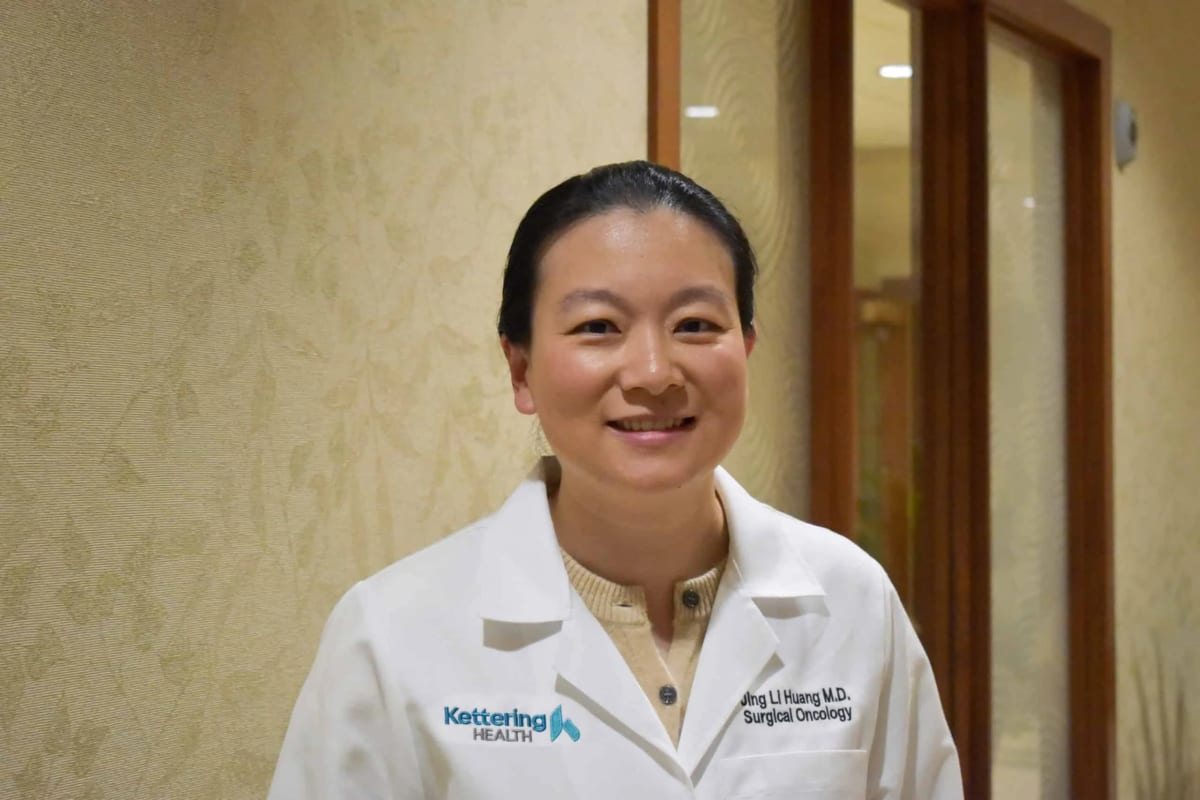
Dr. Jing Li Huang, a surgical oncologist at Kettering Health, explains what sets this apart from traditional treatments. "There's no punctures, unlike surgeries, ablations, or other types of treatments for liver tumors," she says. Some patients stay overnight for monitoring, but many return home the same day.
The technology shines brightest when treating tumors in tricky locations. Cancers growing near major blood vessels or bile ducts often can't be safely treated with surgery or traditional ablation. Histotripsy navigates these danger zones without injuring critical structures.
After treatment, patients receive CT or MRI scans within 30 days to verify success, then continue monitoring every three to six months. Recovery is remarkably gentle, with some experiencing only minor skin changes that ointment can soothe.
The timing matters deeply. The American Cancer Society estimates about 42,340 people will receive liver cancer diagnoses in the United States in 2026. For patients who can't tolerate surgery or have tumors in unreachable spots, Histotripsy opens a door that was previously closed.
The Ripple Effect
Kettering Health's investment in this technology reaches beyond liver cancer. Dr. Anthony Paravati, executive medical director of oncology, reveals the future is already taking shape. "In the near future will have even broader application beyond the liver, likely kidney, potentially pancreas cancer," he says.
Three physicians at Kettering Health have completed specialized training for the procedure, building expertise that will serve the community for years to come. The hospital's willingness to embrace emerging technology means other non-invasive cancer treatments will likely follow.
Patients can self-refer or ask their physician about Histotripsy as an option. The team at Kettering Health evaluates each case individually to determine if someone qualifies as a candidate, particularly considering tumor size and location.
One treatment, no scalpel, and tomorrow's cancer care is already arriving today.
Based on reporting by Google News - New Treatment
This story was written by BrightWire based on verified news reports.
Spread the positivity!
Share this good news with someone who needs it