New Sepsis Guidelines Could Save Thousands of Hospital Lives
Doctors nationwide just released groundbreaking sepsis treatment guidelines that could save tens of thousands of lives each year. The new protocols focus on speed, turning what used to take hours into minutes.
A deadly condition that kills one in three hospital patients now has a powerful new weapon against it.
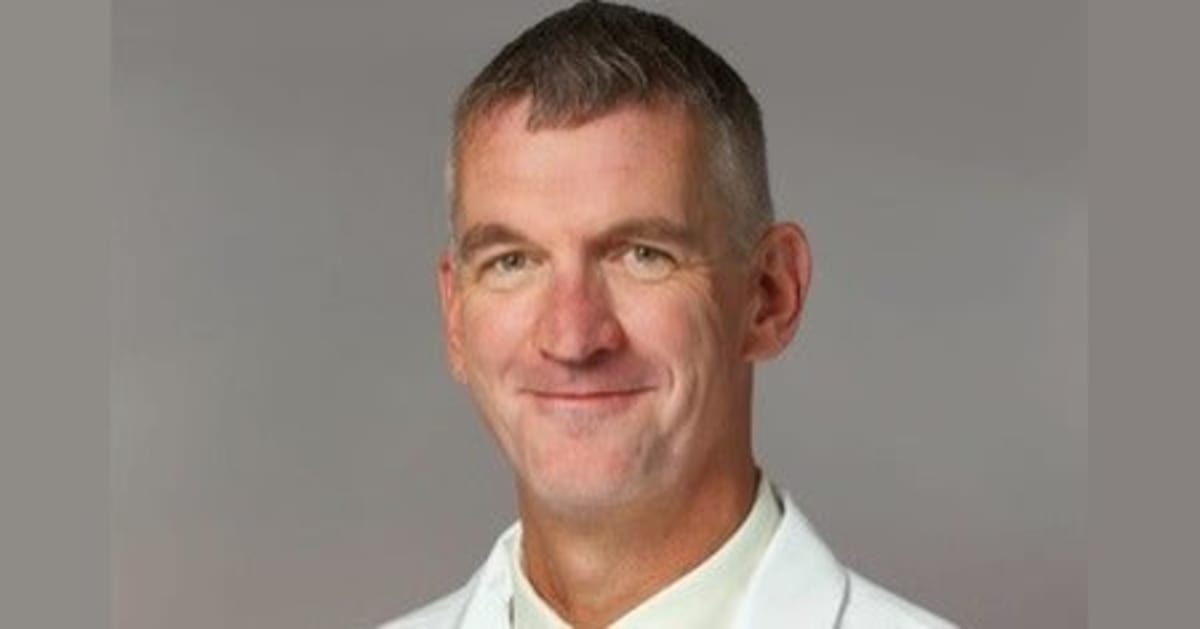
Dr. Taison Bell from UVA Health helped lead a nationwide effort to create revolutionary sepsis treatment guidelines. The protocols are already changing how hospitals respond to this life-threatening emergency.
Sepsis happens when the body's response to infection spirals out of control, attacking its own organs. It's responsible for roughly 270,000 deaths in U.S. hospitals every year, making it one of the most dangerous conditions medical teams face.
The new guidelines flip the script on traditional hospital procedures. Instead of slow, methodical processes, the protocols push hospitals to implement rapid testing, immediate therapy, and constant monitoring the moment sepsis is suspected.
"This is really about how hospital systems can align and make processes that can be really slow but make them quick," Dr. Bell explained. Speed isn't just helpful with sepsis. It's everything.
The guidelines tackle septic shock prevention head-on. When infections turn severe, every minute counts, and the new protocols ensure all hospital systems work together seamlessly to deliver care faster.
Doctors across the country collaborated on these standards, pooling their knowledge to create a unified approach. The guidelines appeared in the Clinical Infectious Diseases journal, giving hospitals everywhere access to the life-saving strategies.
The Ripple Effect
These guidelines don't just help hospitals. They empower families too.
The protocols specifically remind loved ones to act immediately if someone shows severe infection signs. Recognizing sepsis symptoms early and getting to emergency care quickly can mean the difference between recovery and tragedy.
Hospitals implementing these rapid response systems are already seeing improvements. Patients who once waited hours for treatment now receive critical interventions within minutes of arrival.
The impact extends beyond individual patients. When hospitals can treat sepsis more effectively, they free up resources, reduce lengthy intensive care stays, and ultimately save healthcare systems millions while saving lives.
Medical teams nationwide now have a clear roadmap for tackling one of healthcare's deadliest challenges, turning a race against time into a fight they're finally equipped to win.
Based on reporting by Google News - New Treatment
This story was written by BrightWire based on verified news reports.
Spread the positivity!
Share this good news with someone who needs it