New Sleep Apnea Implant Offers Hope Beyond CPAP Masks
Millions who can't tolerate bulky CPAP masks now have a card-sized implant that could end their sleepless nights. UCLA surgeon becomes first on the West Coast to offer device that reduced breathing problems by 70% in clinical trials.
For people with sleep apnea who dread strapping on a CPAP mask each night, a new implant smaller than a playing card is changing everything.
Dr. Eric Kezirian at UCLA Health recently became the first physician on the West Coast to implant the Genio system, a device 20 years in the making that stimulates nerves to keep airways open during sleep. The FDA approved it in 2025, and early results show it works better than older implants for many patients.
Sleep apnea affects millions of Americans, causing breathing to stop and start throughout the night. It leads to exhaustion, high blood pressure, and serious health problems. CPAP machines work well, but many people can't tolerate sleeping with a mask and tube connected to a machine all night.
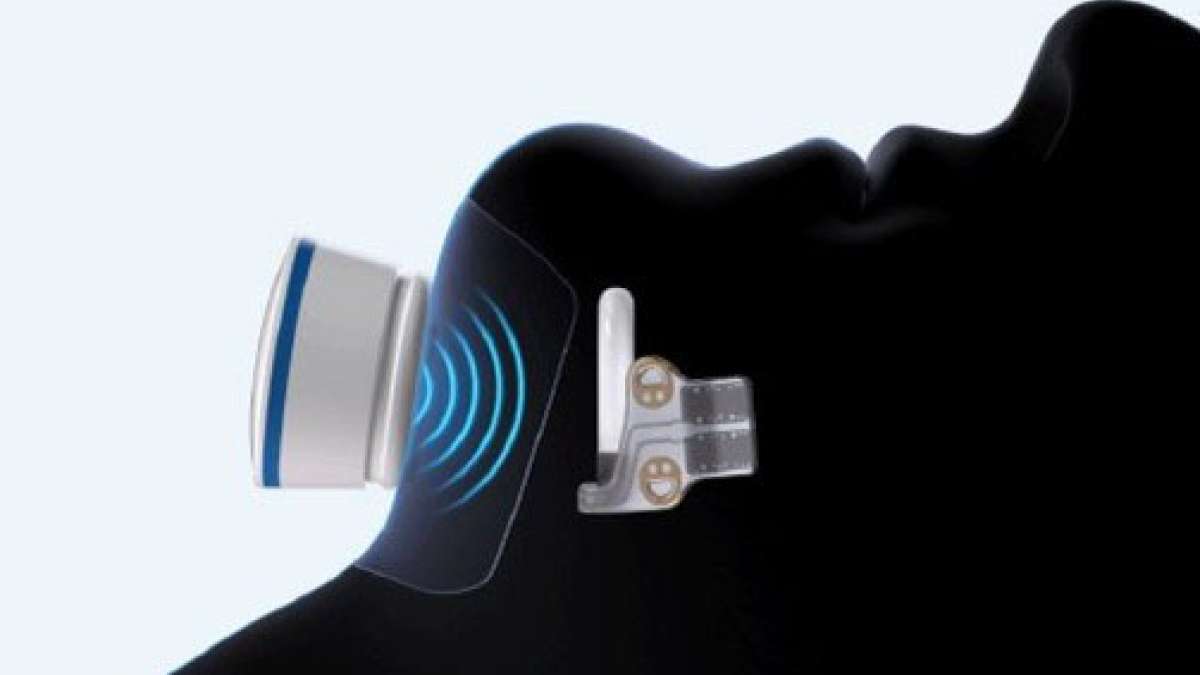
The new device takes a different approach. Through a single small incision under the chin, surgeons implant a thin device that stimulates the hypoglossal nerves on both sides of the tongue. These nerves push the tongue forward during sleep, opening the airway naturally.
What makes this system special is how simple it is to use. Before bed, users stick a small patch under their chin and attach a lightweight chip for power. They can adjust settings through a smartphone app and never worry about replacing batteries through surgery, unlike older devices that need replacement every decade.
The results from clinical trials are impressive. In the DREAM study with 113 patients, breathing interruptions dropped by 70% after 12 months. Even better, 82% of users saw their sleep apnea improve from severe or moderate to mild.
Dr. Kezirian spent more than 20 years researching sleep apnea surgery and helped develop techniques to identify the best candidates for the device. Not everyone qualifies, but for those whose sleep apnea stems from tongue collapse rather than soft palate issues, the implant offers real hope.
Why This Inspires
This breakthrough represents something bigger than clever engineering. For decades, people with sleep apnea faced a difficult choice: wear an uncomfortable mask every night or risk serious health consequences from untreated sleep apnea.
Now, after 20 years of development and rigorous testing, there's a third option that works while you sleep without tubes, masks, or nightly hassle. Three patients have already received the implant at UCLA Health, and thousands more across the country will gain access as more surgeons adopt the technology.
The journey from concept to FDA approval took two decades of persistence, showing how medical innovation requires patience and dedication. What started as an idea to help people breathe easier at night has become a life-changing solution for those who had almost given up hope.
For the millions tossing and turning with untreated sleep apnea, this tiny implant represents something precious: the promise of restful, healthy sleep.
Based on reporting by Google News - New Treatment
This story was written by BrightWire based on verified news reports.
Spread the positivity!
Share this good news with someone who needs it