Penn State Finds New Path to Treat 30% of Cancers
Scientists discovered that a DNA repair protein gone overactive damages cells just like BRCA mutations, potentially allowing thousands more cancer patients to access gentler, targeted treatments. The finding could expand personalized cancer care to patients who previously had limited options.
When a protein designed to protect your DNA starts overworking, it accidentally becomes the problem. Penn State researchers just discovered this surprising twist could help treat up to 30% of breast and ovarian cancers with therapies previously reserved for rare genetic cases.
The culprit is EXO1, a gene that normally acts like molecular scissors, trimming and repairing damaged DNA. But when cells make too much of the EXO1 protein, those scissors start cutting things they shouldn't, creating DNA damage instead of fixing it.
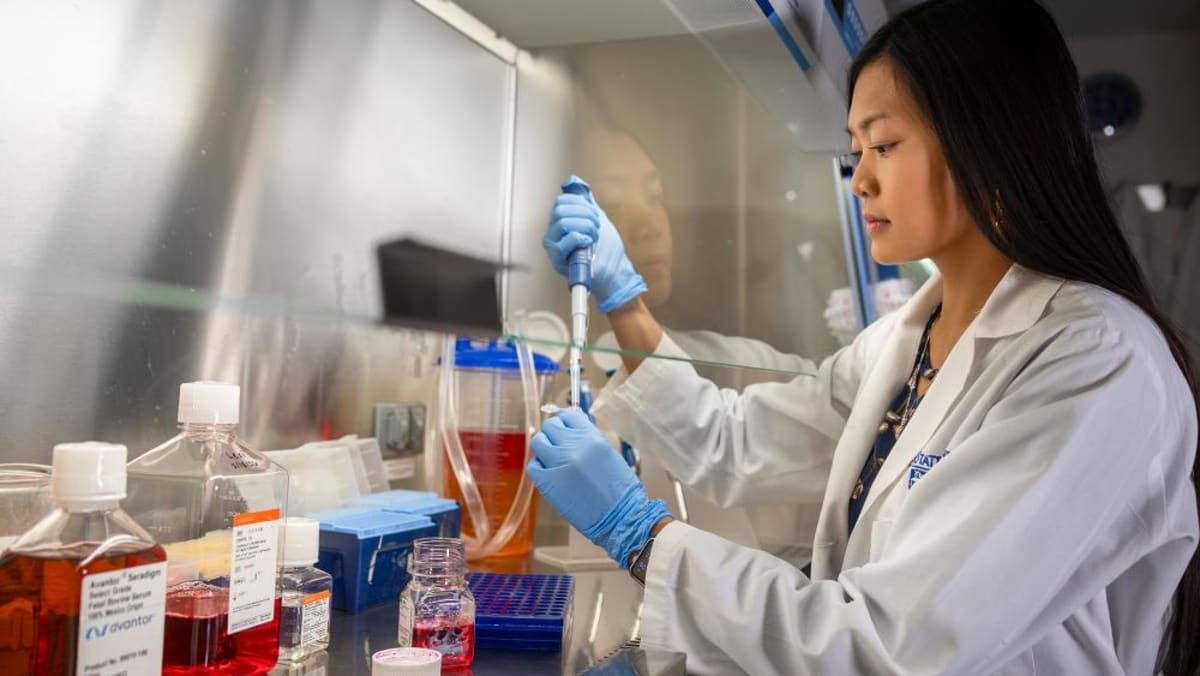
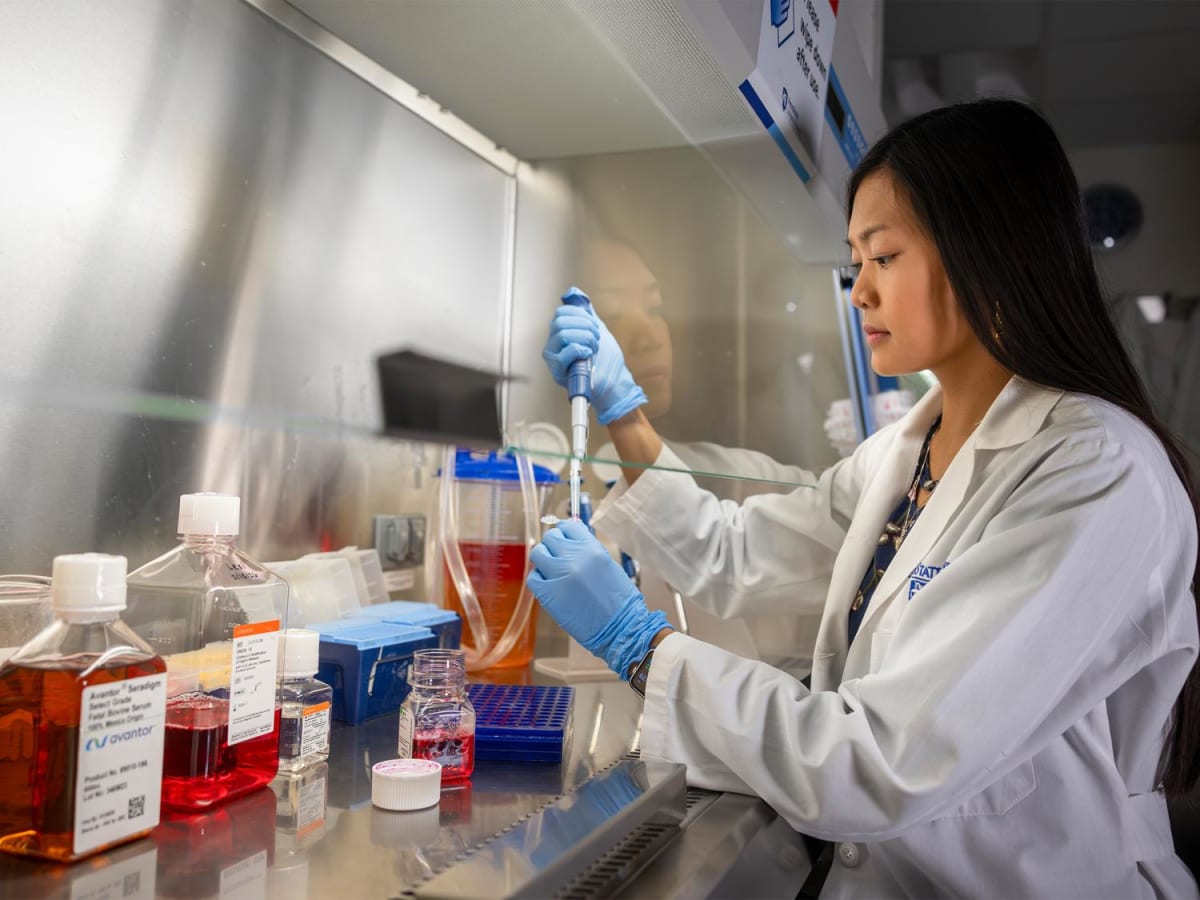
Alexandra Nusawardhana, who led the study at Penn State College of Medicine, found something remarkable in her lab work. Tumor cells with too much EXO1 behave exactly like cells with BRCA mutations, the genetic flaw famous for causing hereditary breast and ovarian cancers.
The team analyzed thousands of tumor samples and discovered EXO1 overexpression in 20% to 30% of breast and ovarian cancers, plus melanoma, testicular, cervical and liver cancers. That's far more common than BRCA mutations themselves.
Here's where it gets exciting. If these tumors act like BRCA-mutant cancers, could they respond to the same treatments?
The researchers tested olaparib, a targeted drug designed for BRCA-mutant tumors that causes fewer side effects than traditional chemotherapy. The EXO1-overexpressing tumors responded beautifully, just as if they carried BRCA mutations.
They also found these tumors were hypersensitive to cisplatin, a common chemotherapy drug. That means doctors might achieve the same results with lower doses and fewer brutal side effects for patients.
The Ripple Effect
This discovery doesn't just help one type of cancer patient. It potentially opens gentler, more effective treatments to thousands of people who thought their only option was aggressive chemotherapy.
Professor George-Lucian Moldovan, who led the research team, explained that EXO1 levels could serve as a biomarker. Doctors could test tumors for EXO1 overexpression and immediately know which patients might benefit from BRCA-targeted therapies, even without any genetic mutation.
The approach represents a shift toward truly personalized cancer care. Instead of treating all breast cancers the same way, doctors could tailor treatments based on what's actually happening inside each patient's tumor cells.
Unlike BRCA mutations, EXO1 overexpression isn't inherited, so it doesn't predict cancer risk in families. But once cancer develops, knowing about EXO1 levels could make all the difference in choosing the right treatment.
The findings, published in Nature Communications, still need additional research before changing clinical practice. But the Penn State team has opened a door that could fundamentally expand who gets access to precision cancer therapies.
For patients facing aggressive cancers with limited options, this research offers something precious: hope backed by solid science.
More Images
Based on reporting by Google News - New Treatment
This story was written by BrightWire based on verified news reports.
Spread the positivity!
Share this good news with someone who needs it