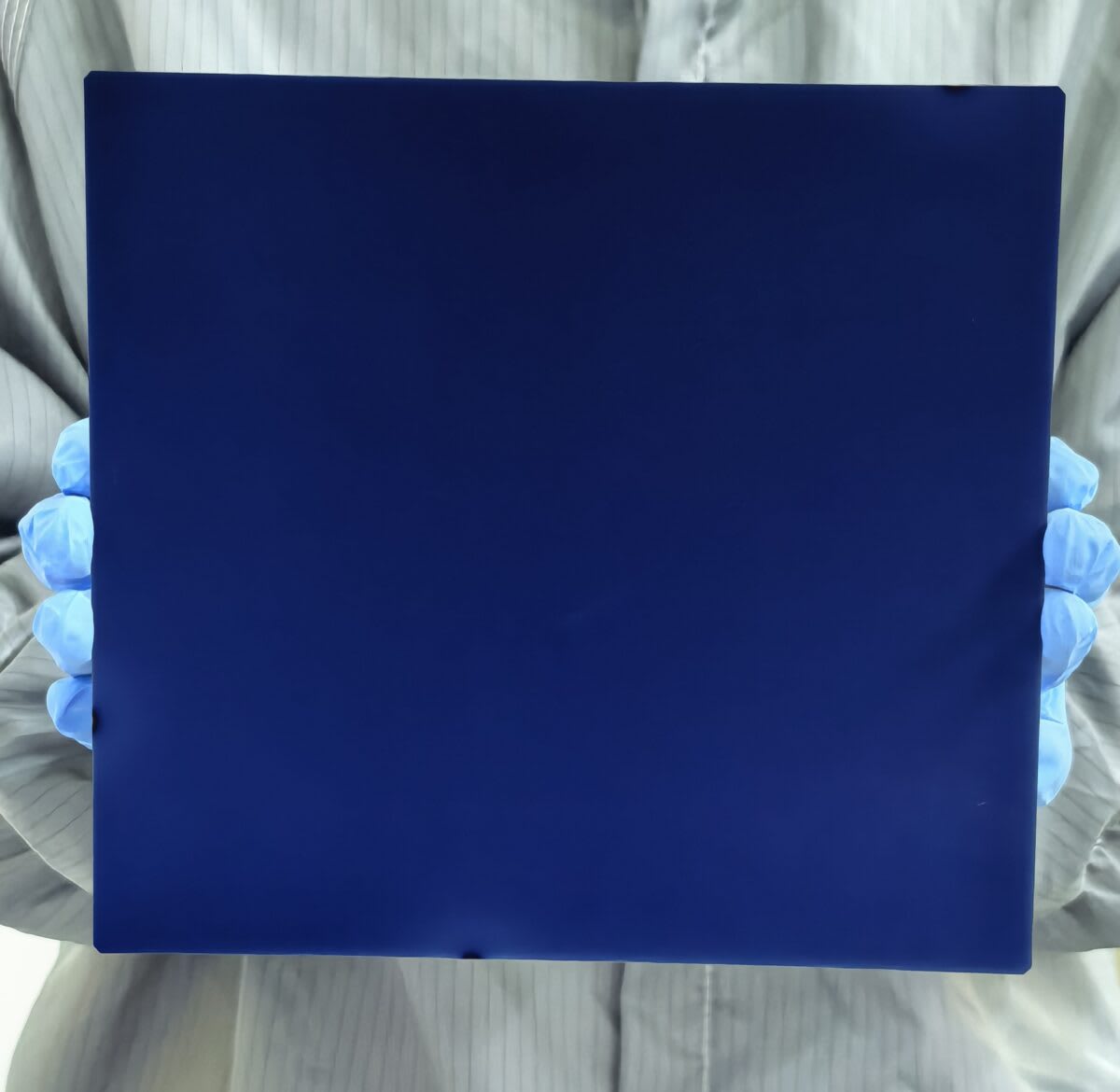
New Solar Cell Hits 27% Efficiency With 50% Less Silver
Scientists just created a solar panel that works better while using half the precious metal needed to make it. This breakthrough could make clean energy cheaper and easier to mass produce.
A team from the University of New South Wales and Chinese manufacturer DAS Solar just solved one of solar power's most expensive problems.
Their new solar cell design delivers 27% efficiency while slashing silver consumption by up to 50%. That's huge because silver is one of the costliest materials in solar panel production, and its price swings wildly.
The secret lies in something called a zero-busbar design. Traditional solar cells use thick metal bars called busbars to collect electricity, requiring about 11 milligrams of silver per watt of power. The new design ditches those bars entirely, dropping silver use to just 7 milligrams per watt.
"Under the current frequent fluctuations in silver prices, lowering silver consumption plays a vital role in stabilizing production costs," explains lead researcher Dengyuan Song. That stability matters for scaling up clean energy worldwide.
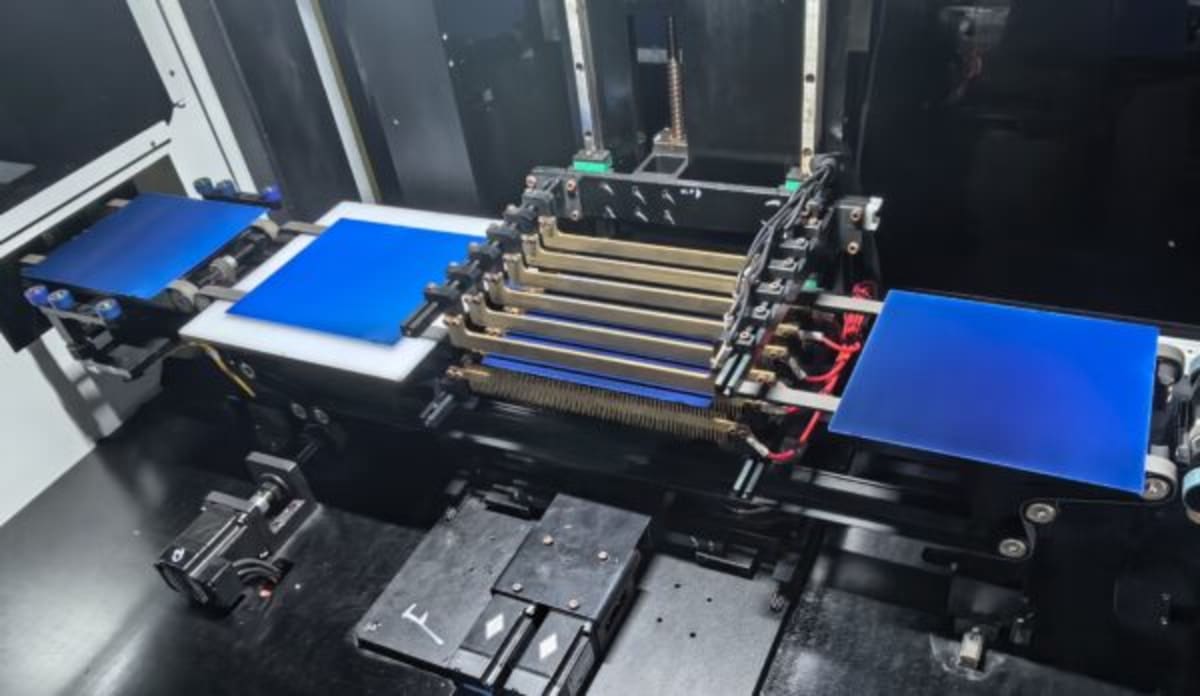
DAS Solar didn't just prove this works in a lab. They've already started mass producing these cells in 2025, with peak batches exceeding 27% efficiency in real-world manufacturing.
The technology relies on tunnel oxide passivated contacts at the cell's rear surface. The front gets textured with tiny pyramids to catch more sunlight, while special coatings reduce reflection and boost performance.
The researchers used advanced computer modeling to compare their design against traditional solar cells. They found the zero-busbar approach not only uses less silver but actually improves efficiency by at least 0.1% compared to older designs.
The Ripple Effect
This breakthrough arrives at exactly the right moment. Solar power is already the fastest-growing energy source globally, but cost remains a barrier in many regions. Cutting silver consumption by nearly half could drop panel prices significantly.
Lower costs mean solar becomes accessible to more communities, businesses, and countries working to transition away from fossil fuels. The technology is already proven at industrial scale, so these benefits could reach consumers quickly.
The team published their findings in Progress in Photovoltaics, sharing their methodology so other manufacturers can adopt it. Clean energy just got more affordable, and that's something worth celebrating.
More Images

Based on reporting by PV Magazine
This story was written by BrightWire based on verified news reports.
Spread the positivity!
Share this good news with someone who needs it