New Solar Cells Survive 100 Days in Space With No Damage
A revolutionary solar cell just completed 100 days in orbit without any breakdown, opening the door to cheaper power for the thousands of satellites launching in the coming years. The breakthrough could transform how we power the booming space economy.
A new type of solar cell just survived three months in space without a scratch, and it could change everything about how we power satellites.
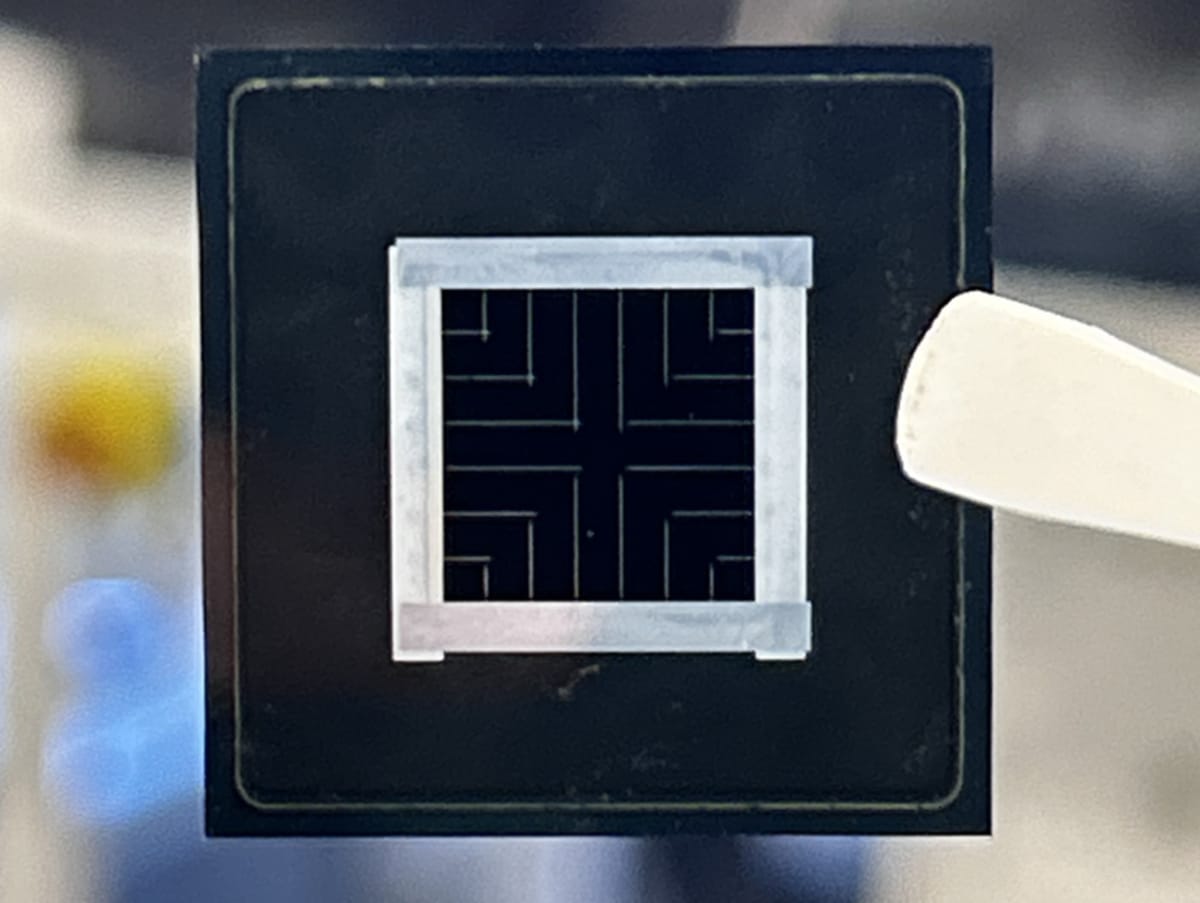
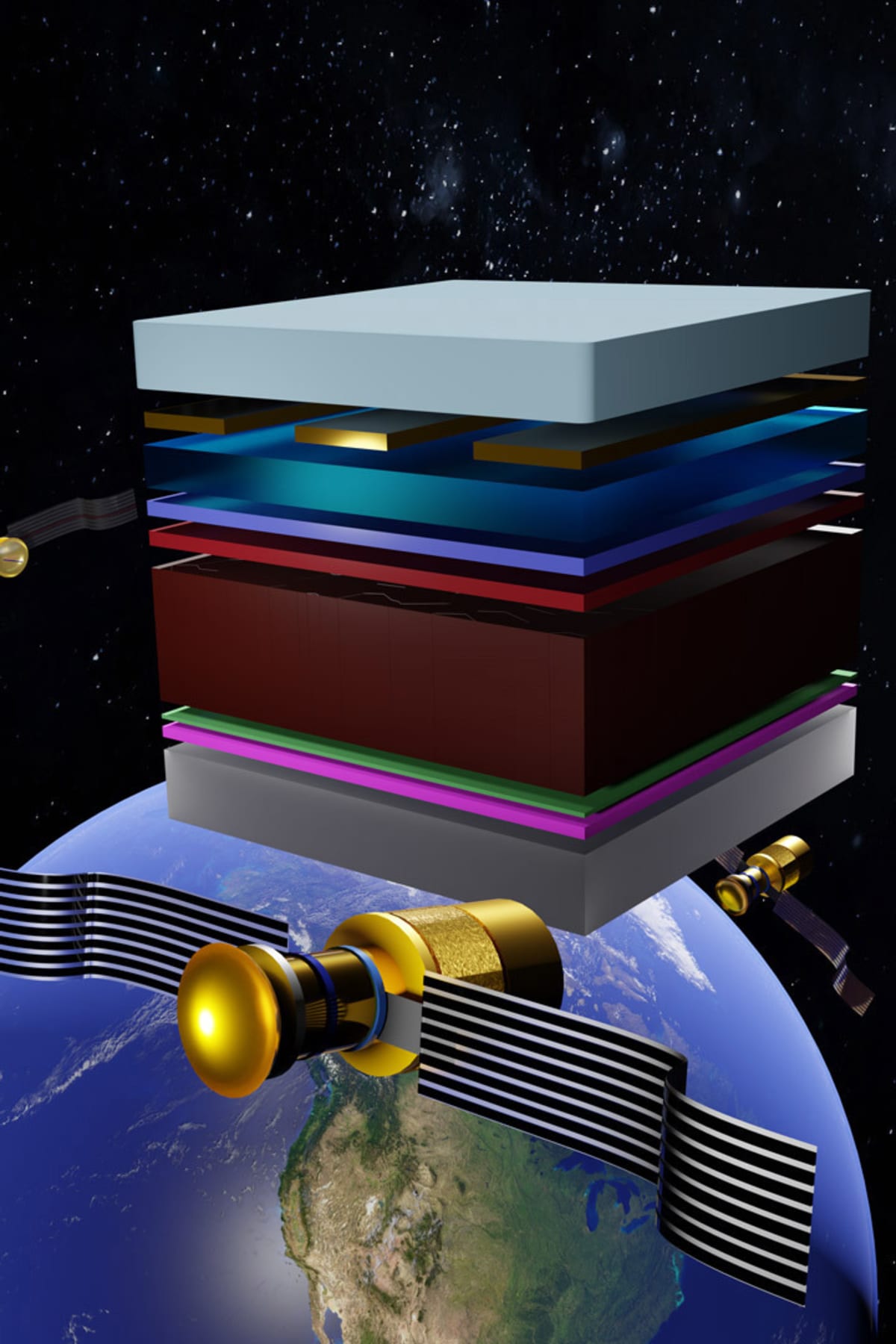
Researchers at Rochester Institute of Technology launched a perovskite solar cell aboard a SpaceX Falcon 9 rocket, where it orbited Earth for about 100 days at the same altitude as the International Space Station. Despite facing radiation bombardment, solar storms, extreme temperatures, and the vacuum of space, the cell kept working perfectly with no observable degradation.
The timing couldn't be better. The number of satellites launched into space hit an all-time high in 2025, and that number is expected to skyrocket in the next decade as space travel becomes commercialized. All those satellites need power, and current options are expensive and hard to scale up.
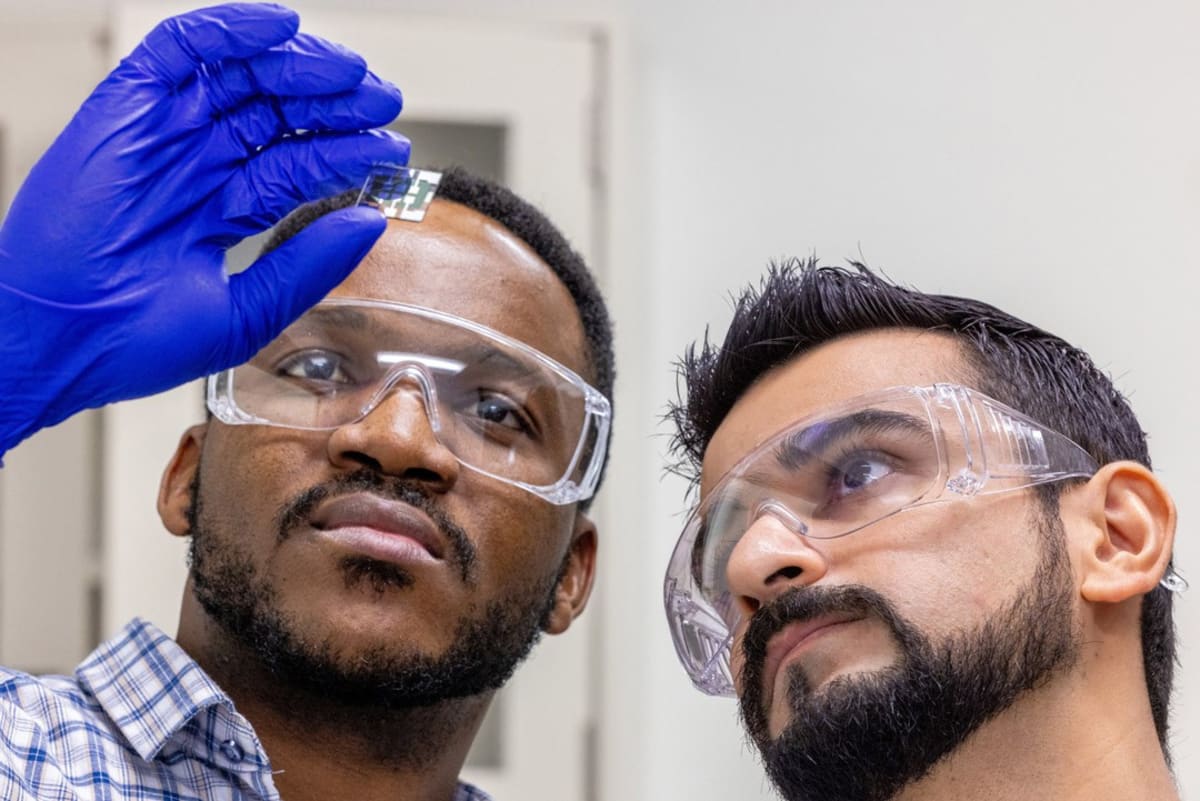
Assistant Professor Ahmad Kirmani leads the research at RIT's School of Chemistry and Materials Science. His team tests these lightweight, thin film solar cells in their lab using proton radiation, electron radiation, thermal cycling, and other conditions that mimic space. Testing on Earth costs far less than launching experiments into orbit over and over.
Ph.D. student Tatchen Buh Kum co-authored the recent paper published in Cell Press and has been instrumental in pushing the research forward. The lab brings together students from physics, microsystems engineering, chemical engineering, and computer science.
"Our strength lies in the diversity of the students' backgrounds," said Kirmani. "Scientific diversity really helps drive our lab."
The research started when Kirmani was part of The National Laboratory of the Rockies, funded by the U.S. Department of Energy. Now his work is crucial to a nearly $10 million grant from the U.S. Space Force.
The Ripple Effect
The global space economy is projected to reach into the trillions of dollars within the next decade or two. Both government agencies and private companies need affordable, reliable power solutions to make their space ventures sustainable. This breakthrough shows that perovskite solar cells could be that solution, potentially powering everything from communication satellites to future space stations at a fraction of current costs.
The research could also accelerate innovation back on Earth. Technologies developed for space often find their way into everyday applications, from water purification to medical devices.
Kirmani and his team are already preparing for the next wave, continuing to refine their perovskite solar cells for the thousands of satellites about to launch.
More Images

Based on reporting by Google: space mission success
This story was written by BrightWire based on verified news reports.
Spread the positivity!
Share this good news with someone who needs it