New Soybean Treatment Protects Crops During Droughts
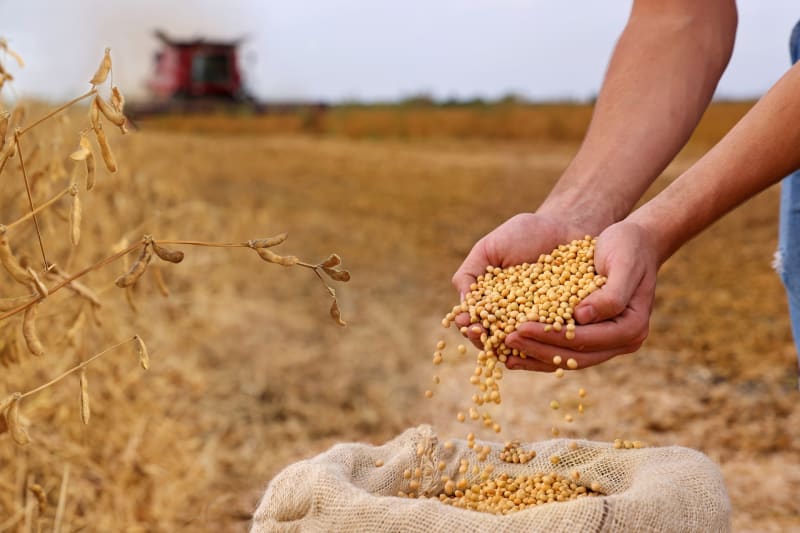
Scientists developed a breakthrough treatment that helps soybean plants build stronger roots and survive droughts better. The innovation could protect food supplies as climate challenges grow worldwide.
A new weapon against tiny pests is giving farmers hope in the face of longer, harsher droughts.
Researchers have developed an improved nematicide that protects soybean roots from microscopic worms called cyst nematodes. These pests have plagued soybean crops for decades, weakening plants by damaging their root systems right when they need strength most.
The timing couldn't be better. Soybeans are now the second most common crop in the United States, serving as a crucial ingredient in food, animal feed, and biofuel around the world. As weather patterns shift and droughts become more intense, protecting these vital plants matters more than ever.
George Huckabay, technical sales agronomy lead at Vive Crop Protection, explained how the solution works. By preventing nematode damage early, plants can develop larger, healthier root systems that act like better straws for sucking up water and nutrients.
"The bigger the root system, the more efficient in taking up water and nutrients it is, and it grows better," Huckabay told Brownfield. When drought conditions arrive, these robust roots make all the difference between a failing crop and a successful harvest.
The science is straightforward but powerful. Healthy roots mean plants can reach deeper and wider for moisture during dry spells. They absorb nutrients more effectively and handle stress better overall.
The Ripple Effect
This advancement reaches far beyond individual farms. Protecting soybean yields means more stable food supplies for communities that depend on these crops. It means farmers in drought-prone regions gain a fighting chance against increasingly unpredictable weather.
Better root protection also means fewer crop failures, which helps keep food prices steady and supplies consistent. For regions already struggling with water scarcity, this kind of innovation offers practical hope rather than empty promises.
"When it does get dry, the root system is big enough, it's more efficient and can take up more water, and it doesn't see the stress you see from not having your roots protected," Huckabay added.
The agricultural industry faces real challenges as global temperatures rise, but solutions like this prove that science can meet the moment with tools that actually work in the field.
More Images


Based on reporting by Google News - Researchers Find
This story was written by BrightWire based on verified news reports.
Spread the positivity!
Share this good news with someone who needs it