New Space Armor Could Make Satellites Safer and Lighter
A startup's revolutionary debris shield is heading to orbit in 2026, promising to protect satellites better than technology that's been the standard for decades. The lighter armor means satellites can maneuver longer and stay operational years more.
Satellites zooming through space face constant danger from tiny debris traveling faster than bullets, but a groundbreaking new shield could change how we protect our spacecraft forever.
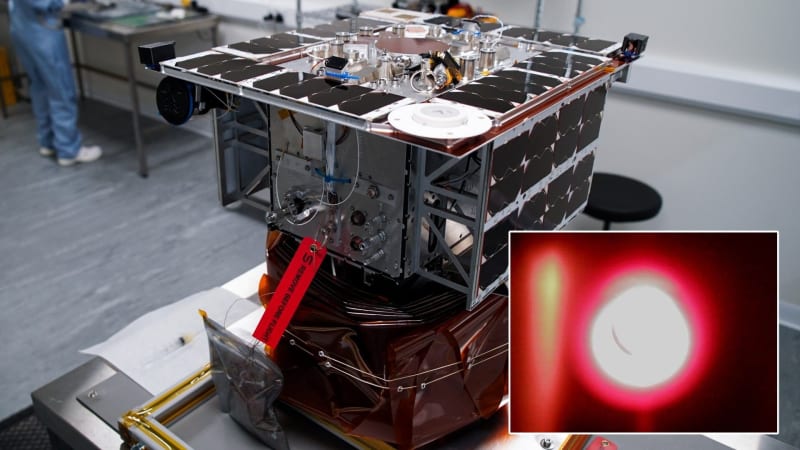
Portal Space Systems just selected Space Armor tiles from startup Atomic-6 to protect their satellite launching in October 2026. It's the first real-world test of technology that could replace the metal shields we've relied on since the space age began.
The stakes are serious up there. Even a pebble-sized piece of debris traveling at 7 kilometers per second can punch through fuel tanks, destroy batteries, or shred electronics. For decades, engineers used Whipple shields made of metal layers to break up incoming particles before they hit critical systems.
Space Armor takes a completely different approach using advanced composite materials. The hexagonal tiles are about three-quarters of an inch thick and attach directly to spacecraft surfaces. Here's the game-changer: they're 30% lighter and 15% thinner than traditional aluminum shields while offering better protection.
Trevor Smith, CEO of Atomic-6, explains why that matters. Traditional metal shields add weight, block radio signals, and actually create more dangerous debris when they get hit. Space Armor absorbs impacts and contains them rather than shattering into fragments that threaten other satellites.
The company tested their tiles at the University of Dayton Research Institute and Texas A&M University, firing aluminum projectiles at orbital speeds. The results showed the tiles are fragmentation resistant, meaning they stop threats without becoming threats themselves.
Portal Space chose Space Armor because lighter protection means better performance. Their satellites need to stay maneuverable over long missions for national security work. Extra weight cuts into how long a satellite can operate and how well it can move.
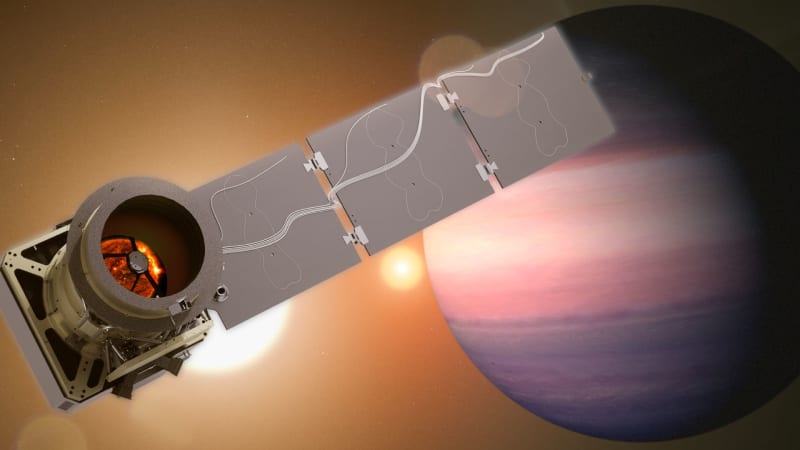
The Starburst-1 mission will put Space Armor through its paces for about a year in sun-synchronous orbit. The satellite will demonstrate rapid orbital changes, proximity operations, and retasking while the tiles prove they can handle the real space environment.
Why This Inspires
This isn't just about better materials or clever engineering. Every satellite we launch helps connect remote communities, track climate change, improve weather forecasts, and keep people safe. When satellites last longer and work better, those benefits reach more people for more years.
The space around Earth is getting crowded, with thousands of satellites and millions of debris pieces creating a growing collision risk. Solutions that protect spacecraft while reducing the debris problem itself give us hope for a sustainable future in orbit.
Portal's Jeff Thornburg says the tiles will help them "offer customers sustained maneuverability and longer operational time on orbit." That translates to missions that accomplish more, cost less, and serve humanity better.
Space Armor proves that rethinking old solutions can lead to breakthroughs that benefit everyone who depends on space technology.
More Images


Based on reporting by SpaceNews
This story was written by BrightWire based on verified news reports.
Spread the positivity! 🌟
Share this good news with someone who needs it