New Steam Tech Cuts Offshore Oil Rig Emissions by 25%
A Norwegian company just completed testing on a revolutionary steam generator that could slash carbon emissions from offshore oil platforms by up to 25%. The compact technology finally makes clean energy upgrades possible even on space-limited rigs. #
Offshore oil platforms could soon cut their carbon footprint by a quarter, thanks to a breakthrough in clean energy technology that just passed its final tests.
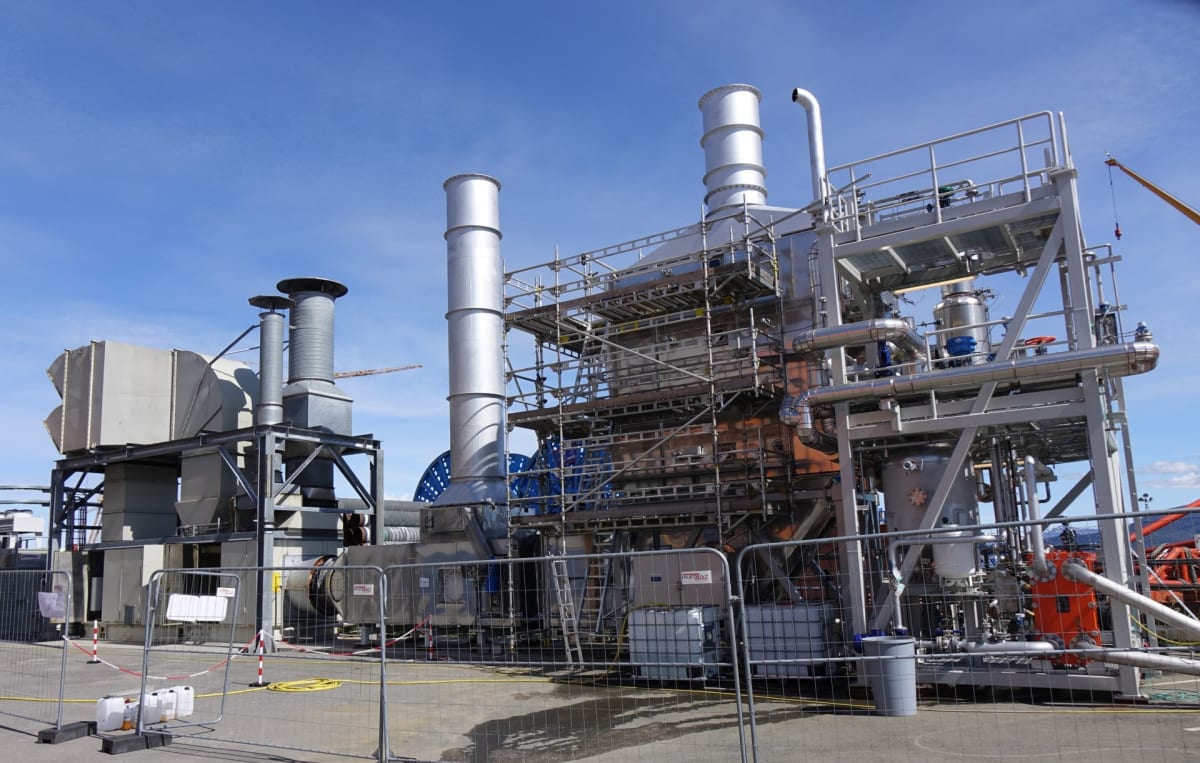
Techouse, a Norwegian energy company, has successfully tested a compact once-through steam generator (COTSG) designed specifically for the tight spaces of offshore rigs. The full-scale testing happened at Sustainable Energy's facility in Stord, Norway, marking a major step toward cleaner offshore operations.
Here's why this matters: conventional offshore platforms burn massive amounts of fuel to generate power, releasing between 200,000 and 600,000 tons of CO₂ annually depending on their size. Traditional combined-cycle systems, which recycle exhaust heat to create more electricity, can reduce those emissions by 22 to 25 percent. That's like taking 30,000 cars off the road for every platform upgraded.
The problem has always been space. Offshore rigs operate with extremely limited deck area and strict weight restrictions, making it nearly impossible to install conventional heat-recovery equipment. Many platforms simply couldn't support the bulky systems needed to capture and reuse their waste heat.
Techouse solved this puzzle by designing a steam generator light enough and compact enough to fit where traditional systems couldn't. The device captures hot exhaust from gas turbines and converts it into superheated steam, which then drives a steam turbine to generate additional electricity without burning more fuel.
The technology emerged from a joint project backed by energy giants TotalEnergies and Equinor, along with SINTEF Energy Research and funding from the Norwegian Research Council. The team set out specifically to create a smaller alternative that would work on platforms previously unable to upgrade.
The full-scale unit endured rigorous testing including performance evaluations, vibration analysis, and thermal cycling designed to simulate 30 years of continuous operation. Chief Technology Officer Pål Kloster confirmed the tests delivered positive results across all key parameters.
The Ripple Effect
Deploying this technology across just ten offshore platforms could prevent 500,000 to 1.5 million tons of annual CO₂ emissions. That's the equivalent of powering every home in a city the size of Oslo with clean energy instead of fossil fuels.
The innovation opens doors for platforms that were built decades ago, when efficiency wasn't a priority and retrofitting seemed impossible. Now even aging installations on tight budgets can access emissions-cutting technology without major structural overhauls.
Techouse plans to launch the COTSG commercially later in 2026 and is already exploring integration with carbon capture systems. Combining both technologies could push emissions reductions even higher, potentially capturing CO₂ directly at the source before it reaches the atmosphere.
Every platform upgraded brings the offshore energy industry closer to its net-zero commitments while maintaining the energy supply millions still depend on during the transition to renewables.
#
Based on reporting by Google News - Emissions Reduction
This story was written by BrightWire based on verified news reports.
Spread the positivity!
Share this good news with someone who needs it