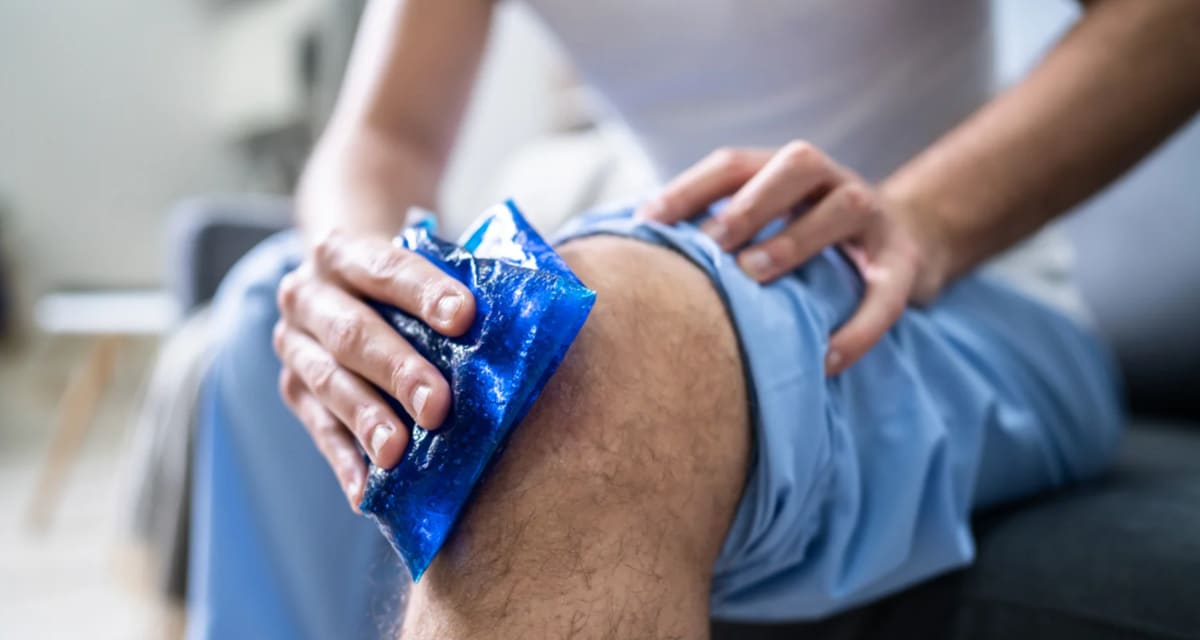
New Study: Icing Injuries May Slow Healing by 30 Days
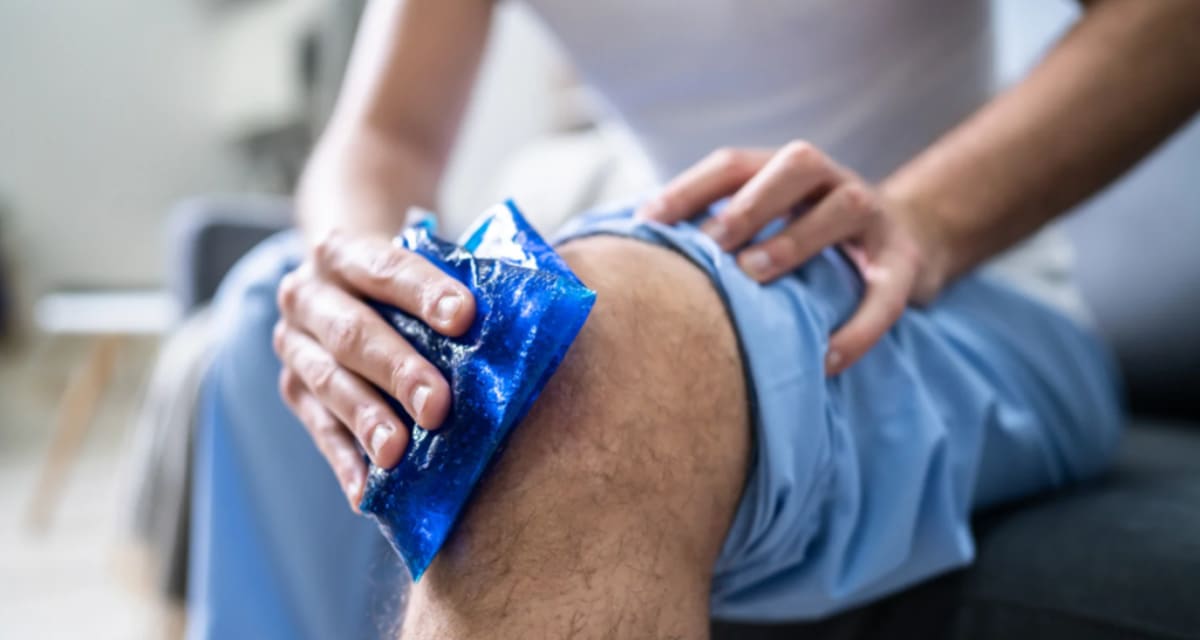
That ice pack we've trusted since childhood might be doing more harm than good. McGill University researchers found mice who skipped the ice healed twice as fast as those who didn't.
For generations, ice packs have been the go-to remedy for every bump, bruise, and sprain. But groundbreaking research from McGill University suggests we might need to rethink this medical staple.
Scientists tested the healing effects of ice by creating controlled injuries in mice and comparing recovery times across different treatment groups. The results turned conventional wisdom on its head.
Mice that received ice treatment three times daily took 40 days to fully recover. Those iced just once a day healed in 25 days. But the real surprise? Mice that received no ice at all bounced back in just nine to 20 days.
The short-term benefits of icing were still there. Mice that got ice treatment showed less immediate pain and inflammation, which explains why the practice has felt so helpful for so long.
But here's where it gets interesting. Lead researcher Lucas Lima explained that treatments reducing inflammation in the short term may actually interfere with the biological processes our bodies need for full recovery.
The culprit appears to be neutrophils, white blood cells that rush to injury sites. When ice is applied, these healing helpers get blocked, similar to what happens when people take anti-inflammatory medications like Ibuprofen. Without enough neutrophils, the body struggles to properly shut down pain signals even after the injury has healed.
This isn't just one isolated study raising eyebrows. The International Journal of Sports Physical Therapy published research questioning ice's effectiveness, noting that extreme muscle cooling might actually delay repair and increase scarring.
Why This Inspires
This research represents exactly the kind of scientific courage we need. Questioning decades of medical practice takes guts, especially when it challenges something as universal as applying ice to injuries.
The McGill team isn't saying ice is always wrong. They're opening the door to smarter, more personalized approaches to healing. Senior researcher Jeffrey Mogil emphasized that we need better understanding of when anti-inflammatory strategies help and when they don't.
For parents, coaches, and anyone who's ever reached for that ice pack, this study offers something valuable: permission to trust the body's natural healing wisdom. Sometimes the best thing we can do is simply let our remarkable biology do its job.
The path to better healing starts with better questions, and these researchers are asking them.
More Images


Based on reporting by Upworthy
This story was written by BrightWire based on verified news reports.
Spread the positivity!
Share this good news with someone who needs it