New Tech Could Save Mediterranean Whales From Ship Strikes
Scientists are launching whale-detection systems and speed zones to protect endangered Mediterranean whales from deadly ship collisions. Three innovative solutions are already being tested in the world's busiest shipping lanes.
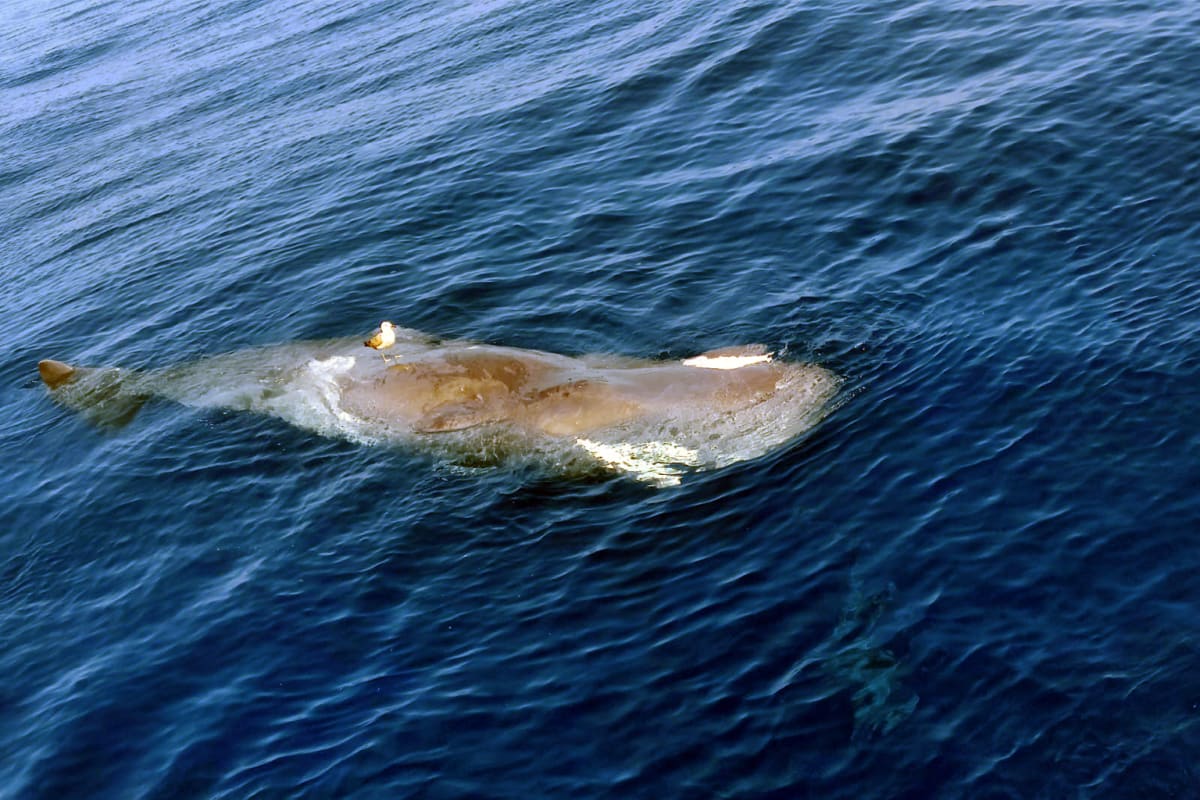
When marine biologist Lisa Stanzani found a young sperm whale dead on an Italian beach in 2023, she could see the meter-long propeller wound that had caused weeks of suffering before death. But this tragedy is sparking a wave of solutions that could save the Mediterranean's last great whales.
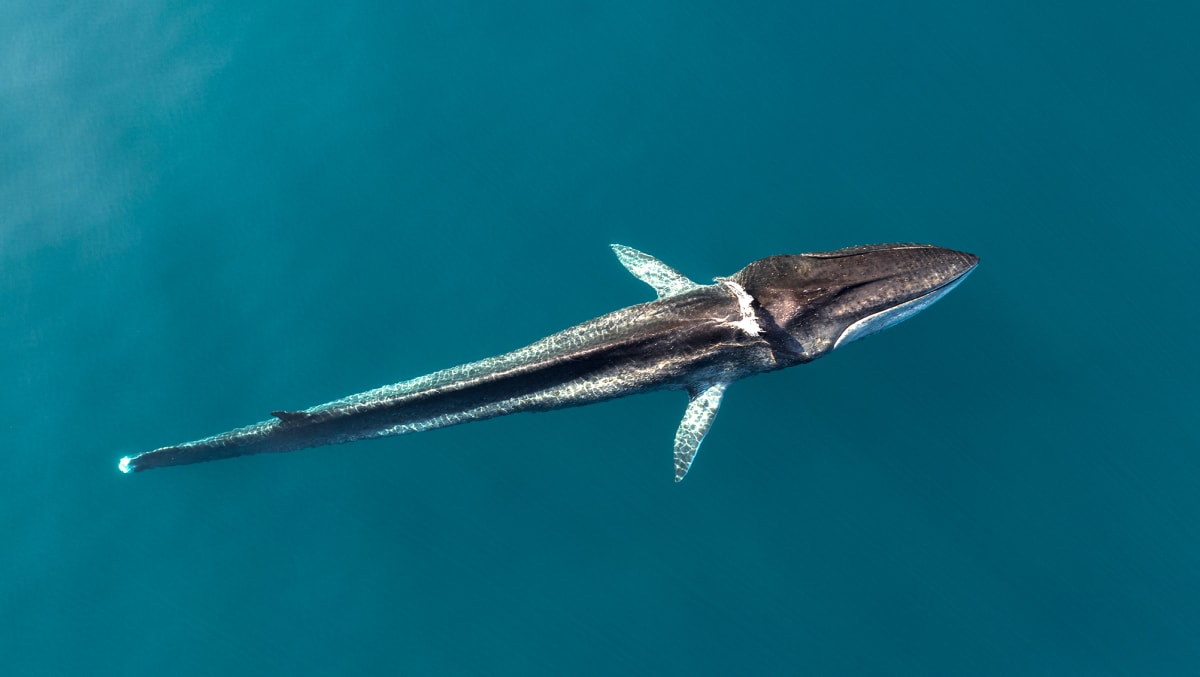
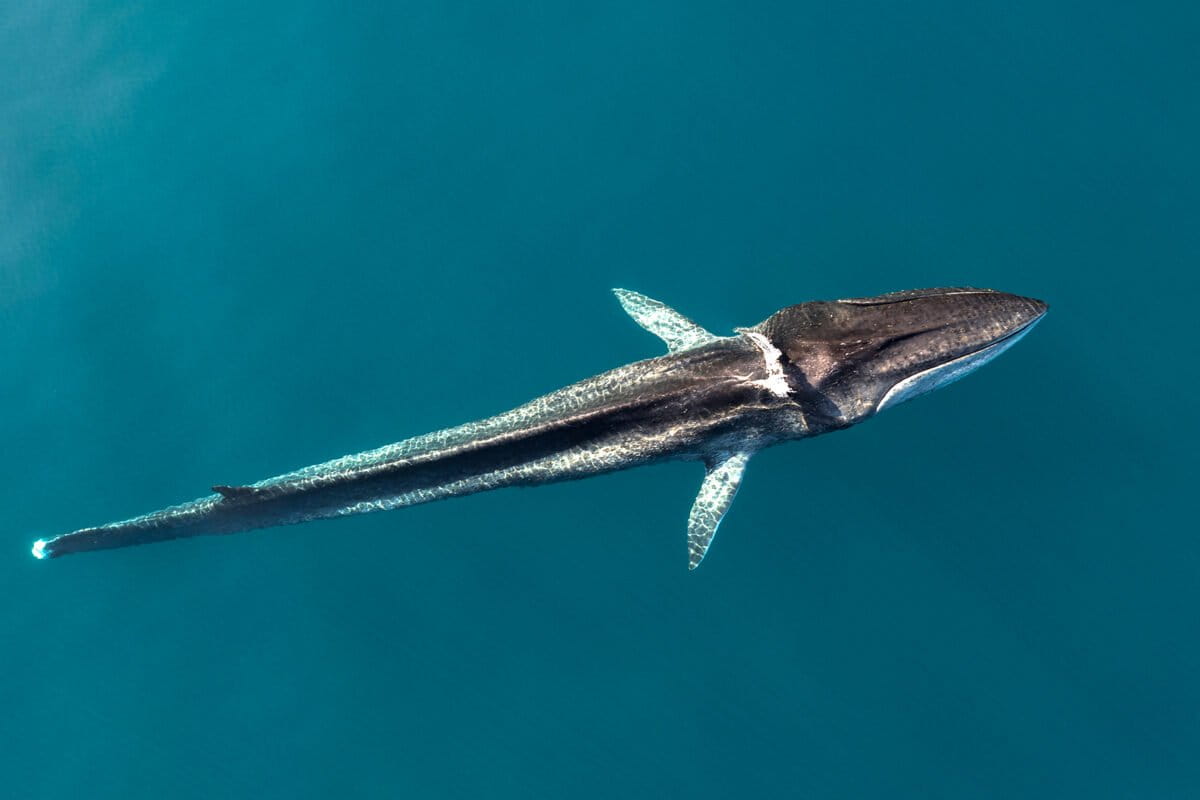
Ship collisions kill endangered fin and sperm whales in the Mediterranean, where 15% of global shipping traffic squeezes through less than 1% of the world's ocean surface. Fewer than 2,500 mature individuals of each species remain, and scientists say one in three bears scars from vessel strikes.
The danger comes down to speed and sleep. Whales sleep vertically just below the surface, and vessels traveling faster than 15 knots make strikes almost always fatal. In 2025, nearly 2,800 large ships regularly exceeded this deadly threshold in key whale habitats like the Pelagos Sanctuary and Hellenic Trench.
Now three solutions are gaining momentum. Vessel speed restrictions are being implemented in critical whale zones, giving these giants time to detect and avoid approaching ships. Traffic rerouting moves the busiest shipping lanes away from areas where whales feed and migrate.
The most promising innovation involves real-time whale alert systems. These technologies detect whale presence and immediately notify nearby vessels, allowing captains to slow down or adjust course before tragedy strikes.
The Ripple Effect
Saving these whales protects far more than magnificent creatures. Large cetaceans fight climate change by fertilizing ocean phytoplankton with nutrient-rich waste, helping produce half the world's oxygen. Their bodies sequester tons of carbon during their long lives, and when they die naturally, that carbon sinks to the seafloor for centuries.
"Whales are the biggest warriors against climate change," says Aylin Akkaya from Turkey's Marine Mammals Research Organization. Their feeding patterns in deep waters and waste production at the surface act like a "spoon in the soup," stirring nutrients that support entire ocean ecosystems.
The technology to prevent these deaths already exists. Early testing shows whale detection systems can reduce strikes by alerting ships in time to avoid sleeping or feeding whales. Speed restrictions in France's waters have already shown promising results.
Maritime authorities across Italy, Spain, Greece, and France are now coordinating efforts to protect migration corridors. The collaboration represents the kind of international cooperation these ocean-crossing creatures need to survive.
Every ship that slows down, every captain who receives a whale alert and changes course, every rerouted shipping lane represents hope for the Mediterranean's endangered giants and the ocean ecosystems they support.
More Images


Based on reporting by Mongabay
This story was written by BrightWire based on verified news reports.
Spread the positivity!
Share this good news with someone who needs it