New Tech Cuts Whale Harm From Wind Farms by 74%
Scientists cracked the code on building offshore wind farms without harming endangered whales. A simple bubble curtain and smarter scheduling slashes noise pollution by three-quarters.
Building clean energy shouldn't come at the cost of killing whales, and now it doesn't have to.
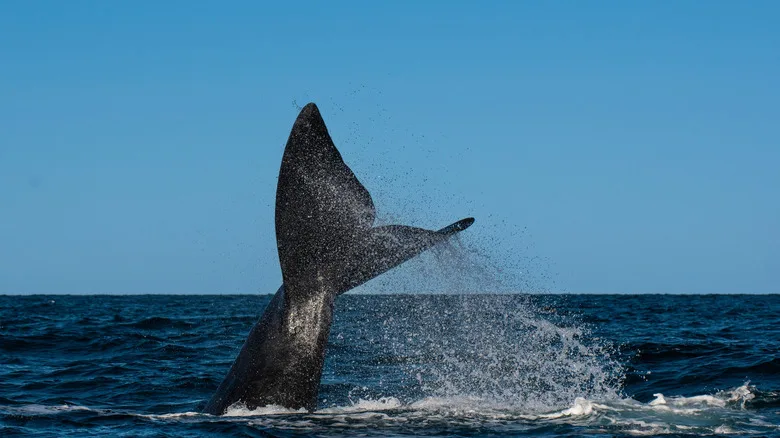
Offshore wind farms promise a future free from fossil fuels, but their construction has posed a serious threat to marine life, especially the critically endangered North Atlantic right whale. The culprit is pile driving, where massive hydraulic hammers pound vertical columns into the seabed, sending shock waves through the ocean that disorient and harm creatures who rely on sound to navigate and hunt.
The damage isn't quick or small. Research shows marine life abundance decreases throughout construction periods that can last five months, and some species like porpoises need nearly two years to recover.
But scientists just published a breakthrough solution in Nature Climate Change that could change everything. By combining underwater "bubble curtains" with seasonal construction limits, they reduced total whale noise exposure by 74%.
The bubble curtain technology is beautifully simple. Engineers lay a perforated hose on the seabed around the construction site and pump air through it. The bubbles rise to the surface, creating an acoustic barrier that blocks pile driving noise from traveling through the water.
Pair that with smart timing, and the protection multiplies. Researchers mapped whale populations and discovered when they're most active, then suggested restricting pile driving to June through December when fewer whales are present.
The results were stunning. Whale exposure to harmful noise dropped from 236% above safe levels to just 24%.
The Bright Side
Here's the part that makes this solution actually viable: it won't break the bank. Installing a double big bubble curtain adds about $7 million to a project, while seasonal scheduling restrictions add another $6.44 million. That sounds like a lot until you realize it represents just 7% of a typical offshore wind farm's total cost.
We've known about pile driving's harmful effects for decades, but this is the first time researchers have shown exactly how to fix it and what it costs. The technology already exists and works. Now it's just a matter of whether wind energy companies choose to use it.
Winter construction poses challenges that drive up costs, which is why the seasonal restrictions add expenses. But trading a small hit to profit margins for protecting some of Earth's rarest creatures seems like a bargain most people would gladly accept.
The best part? This solution doesn't slow down our transition to clean energy, it makes it better by ensuring wind farms truly are the sustainable future we need them to be.
More Images


Based on reporting by Google News - Wind Energy
This story was written by BrightWire based on verified news reports.
Play Today’s BrightWire Positive Mini Crossword & Word Game
Keep your mind sharp with our free 5-minute uplifting daily crossword and positivity word puzzle.
Spread the positivity!
Share this good news with someone who needs it