New Tool Brings Solar Power to Brazilian Slum Communities
Researchers created a free tool that maps rooftop solar potential in informal settlements, starting with two communities in Brazil where residents lack legal electricity. The innovation could help millions access clean, affordable energy.
Millions of people living in informal settlements around the world lack reliable electricity, but a new free tool could help them harness the power of the sun.
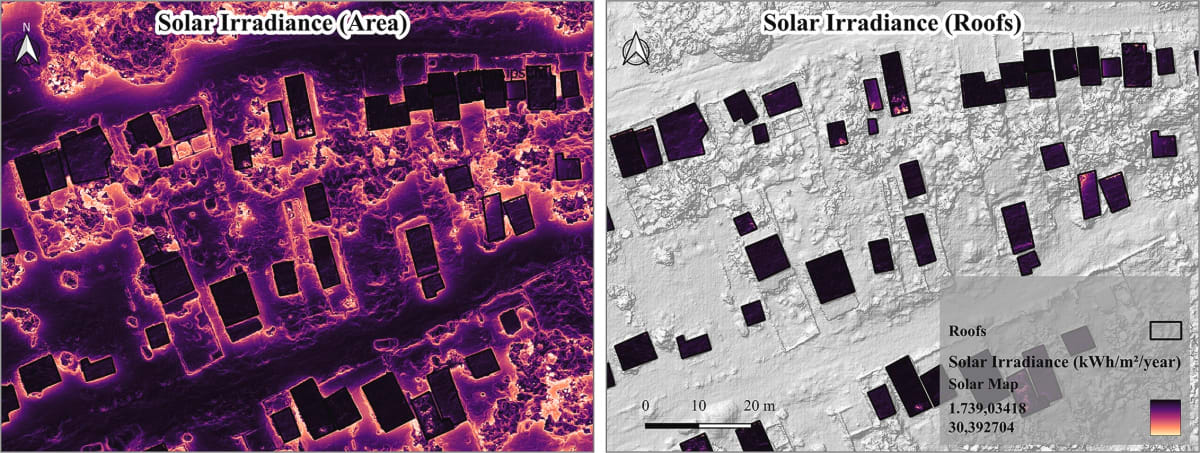
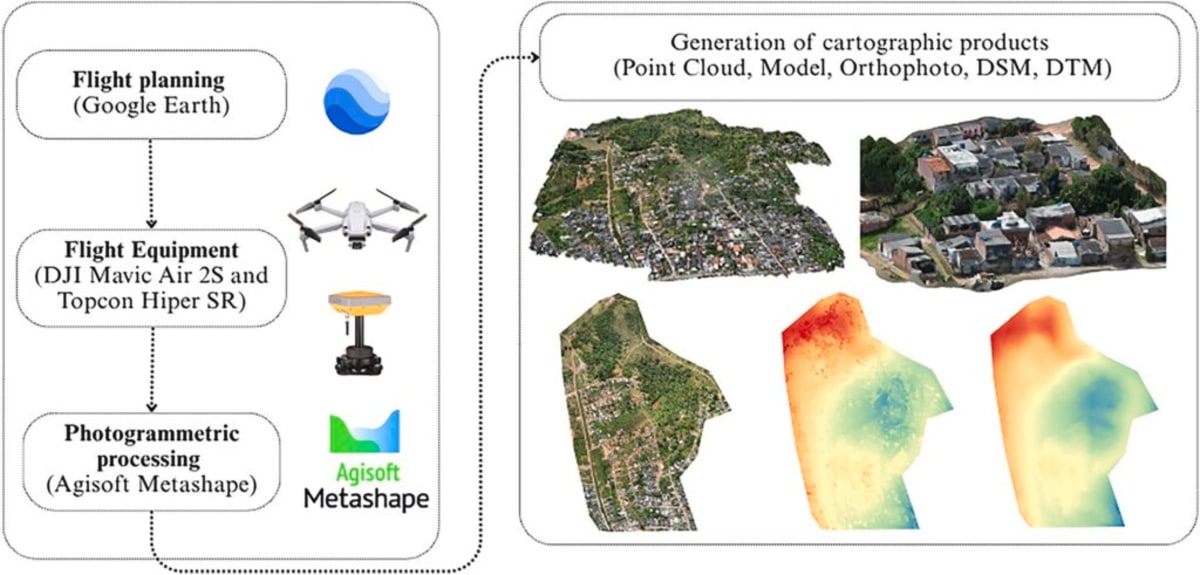
Researchers from Spain and Brazil developed an open-access system that uses drones and mapping software to figure out exactly how much solar energy rooftops in slum communities can capture. They tested it in two neighborhoods in Simões Filho, Brazil, where residents cobble together improvised electrical connections and face constant power uncertainty.
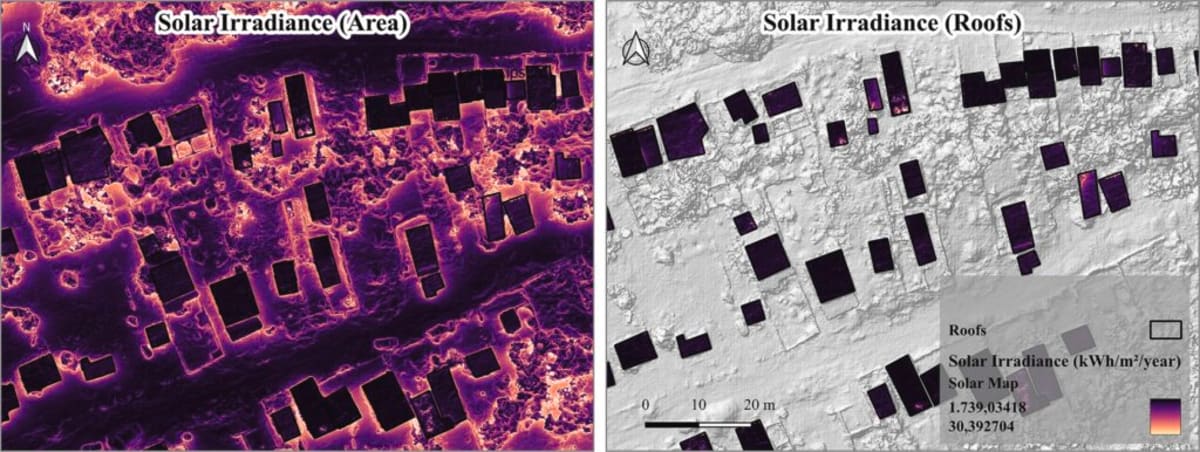
The tool works surprisingly simply. A drone flies over the community taking photos, which software stitches together into detailed 3D maps. Those maps get fed into a free Python program that calculates where solar panels would fit best on each roof and how much electricity they could generate.
In the two test communities, Marielle Franco and Alto da Conquista, the results were promising. The system identified space for 577 solar panels that could produce enough electricity to meet 61% of average household needs in the area. That translates to real savings for families who currently pay high rates for unreliable power.
What makes this tool special is its price tag: zero. Previous methods required expensive commercial software that put solar planning out of reach for the communities that needed it most. Now local governments and community organizations can assess solar potential themselves using freely available tools.
The research team validated their approach against industry-standard simulation software and found it accurate enough for initial planning. The differences fell within acceptable ranges for determining whether a solar project makes sense before investing in detailed engineering.
The Ripple Effect
This breakthrough arrives at a crucial moment. Brazil's informal settlements house millions of people, and similar communities exist across Latin America, Africa, and Asia. Most occupy land without legal title, making traditional utility connections nearly impossible even when infrastructure exists nearby.
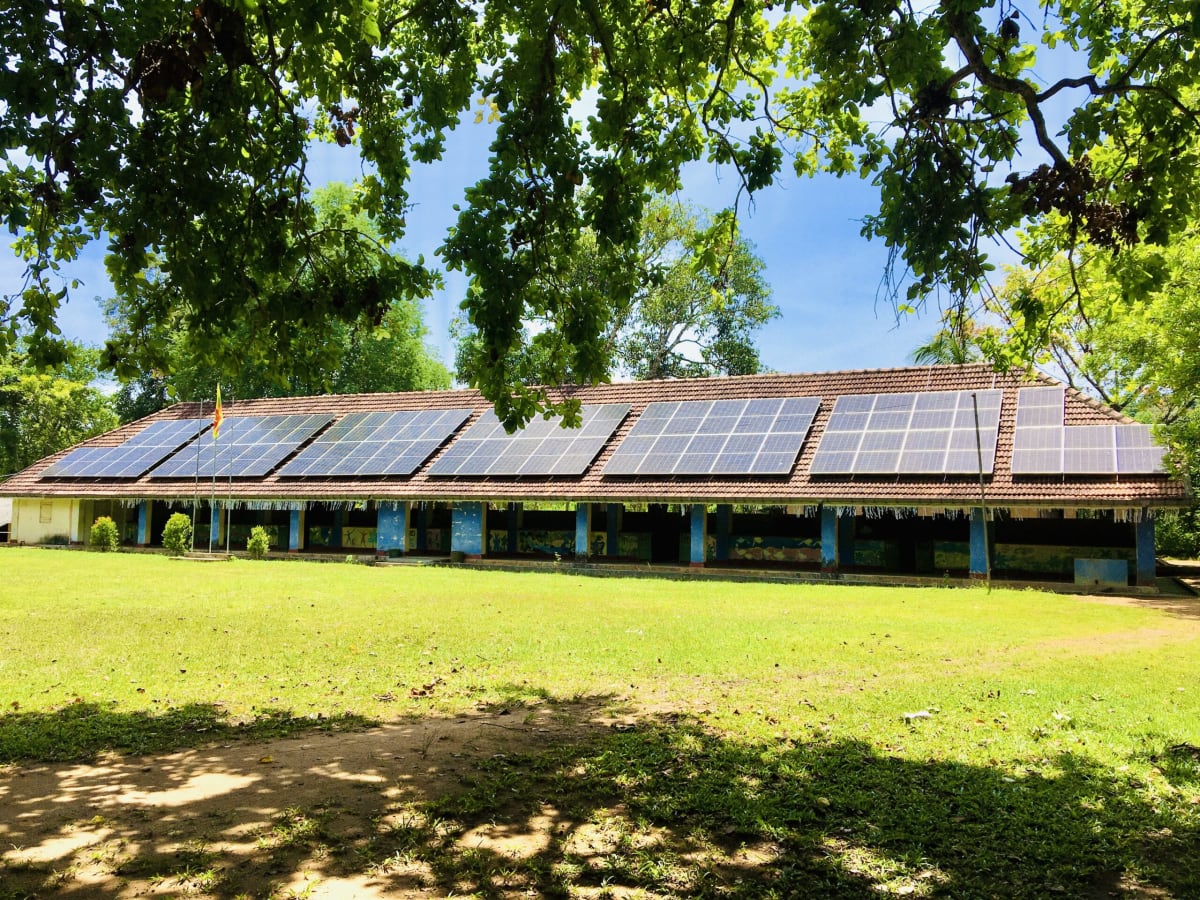
Solar panels mounted on rooftops could bypass that entire problem. Families could generate their own electricity without waiting for grid expansion or land regularization. The environmental benefits multiply when you consider how many settlements currently rely on diesel generators or illegal grid connections.
The researchers emphasized that energy transition isn't just about technology. It's about justice and making sure historically excluded communities can participate in the shift to clean power. Their methodology gives those communities a voice in energy planning conversations they've rarely been part of.
The team published their findings in Applied Energy and made the Python tool freely available online. They hope other researchers and community organizations worldwide will adapt it to map solar potential in informal settlements from São Paulo to Nairobi.
Clean energy is finally becoming accessible to everyone, not just those with property deeds and bank accounts.
More Images


Based on reporting by PV Magazine
This story was written by BrightWire based on verified news reports.
Spread the positivity!
Share this good news with someone who needs it