New Vaccines May Stop Colon Cancer Before It Starts
Scientists are testing vaccines that could prevent colon cancer in people with Lynch syndrome, a genetic condition affecting 1 million Americans. Early results show the approach revved up cancer-fighting immune cells and reduced precancerous growths.
Dr. Stacy Norton was just seven when colon cancer took her mother's life. Now, she's helping test a vaccine that could protect her own children from the same fate.
Norton has Lynch syndrome, a faulty gene that puts about 1 million Americans at sky-high risk for colorectal cancer. While most people have a 5% lifetime risk, Lynch carriers face up to 80% depending on which gene they inherit.
The condition forces people like Norton into yearly colonoscopies to catch and remove precancerous polyps. But scientists at MD Anderson Cancer Center are taking a different approach: teaching the immune system to stop cancer before it takes root.
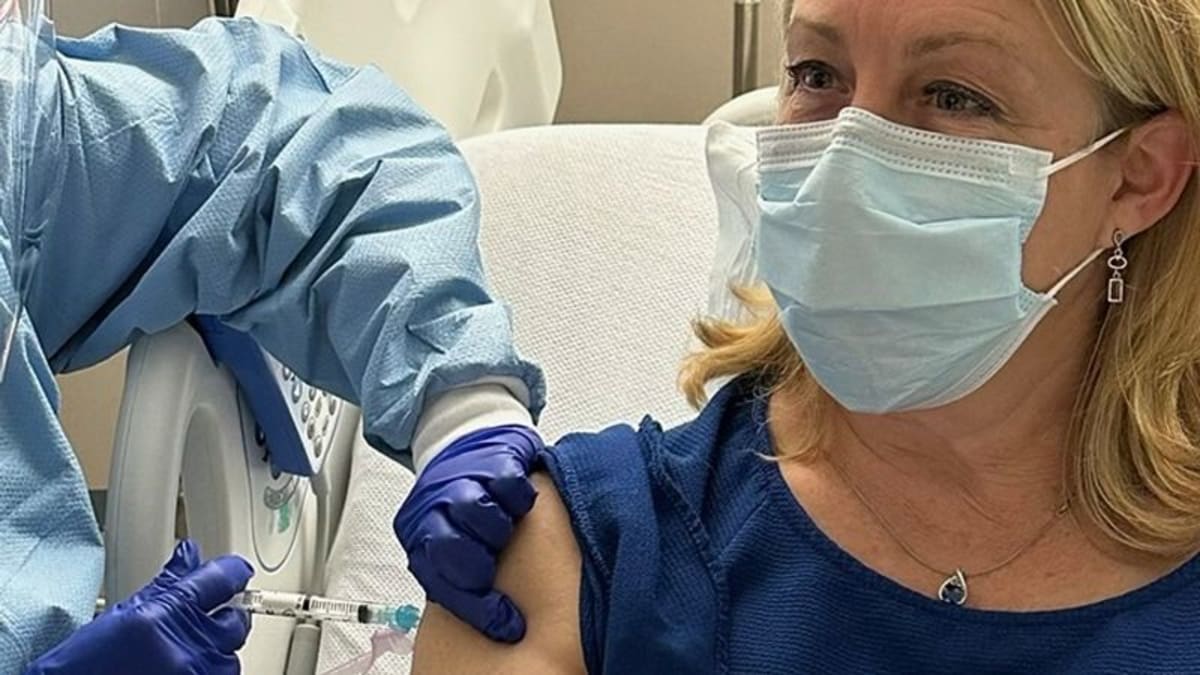
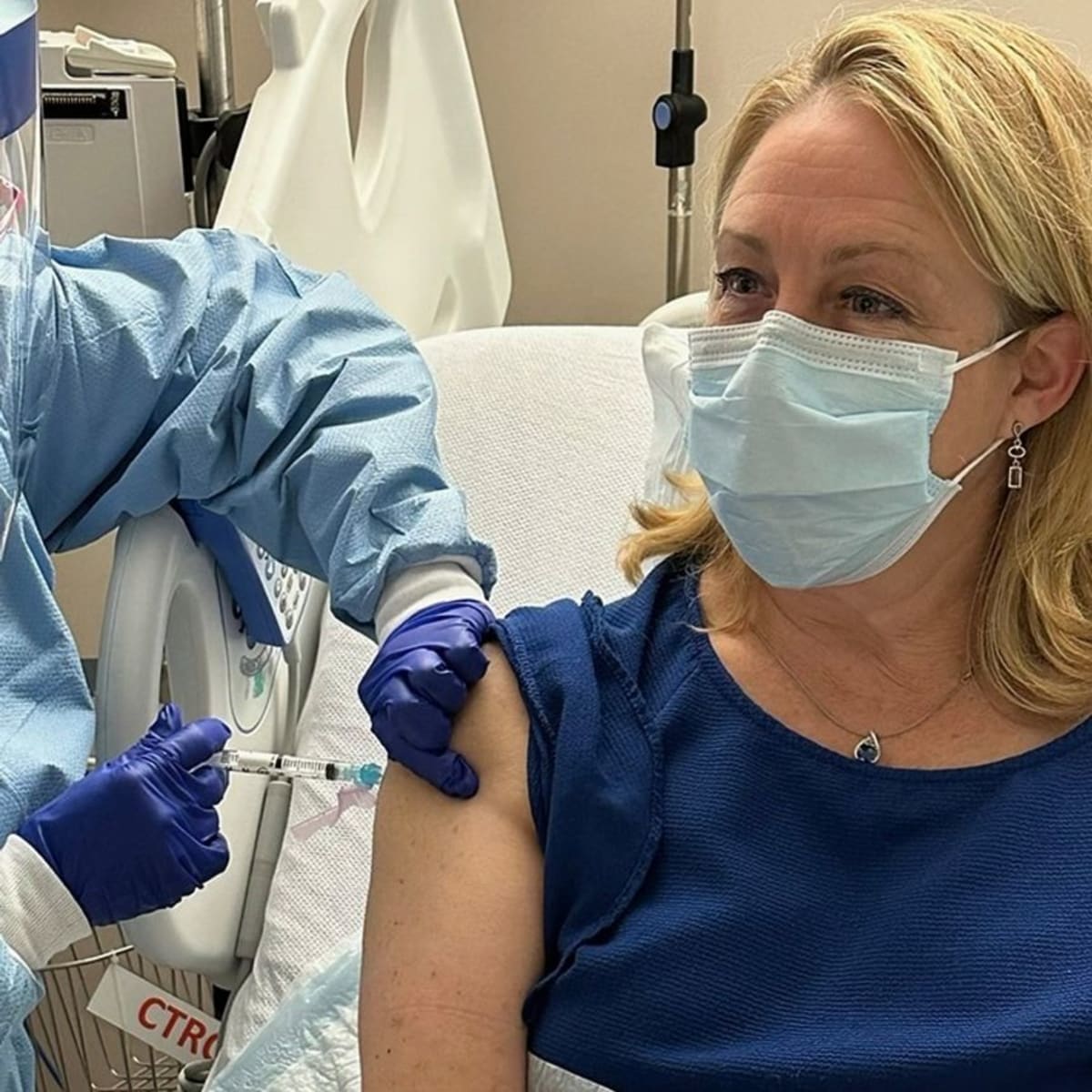
The experimental vaccine trains the body to recognize 209 abnormal proteins that appear in Lynch-caused precancers. In a small study of 45 people, the shot activated tumor-fighting T cells and led to fewer precancerous growths a year later.
For Norton, the results were personal. After getting vaccinated, her next two colonoscopies came back completely polyp-free for the first time since 2014.
"It gives me hope," said Norton, now 59, who had already survived uterine cancer caused by Lynch syndrome. She has two children in their twenties who inherited her mutation.
The Ripple Effect
The promise extends beyond Norton's family. At least three Lynch syndrome vaccines are now in development, including one from Moderna using its mRNA technology and another from California-based ImmunityBio.
This represents a major shift in cancer prevention. We already have vaccines against viruses that cause cancer, like HPV and hepatitis B. But preventing gene-caused cancers requires training the immune system to spot threats that come from within.
The timing matters. Colorectal cancer cases are rising in younger adults for reasons scientists don't fully understand. About 158,000 Americans are diagnosed each year, and many don't know they carry Lynch syndrome until cancer appears.
Dr. Eduardo Vilar-Sanchez, who led the MD Anderson study, expects to launch a larger trial early next year. His team is also testing booster shots to see if they can strengthen protection even further.
For families watching cancer strike generation after generation, these vaccines offer something they've never had: the possibility of breaking the cycle. Norton's children might not need yearly colonoscopies for the rest of their lives.
Science is turning inherited risk into preventable disease, one vaccine at a time.
More Images
Based on reporting by Google News - Health
This story was written by BrightWire based on verified news reports.
Spread the positivity!
Share this good news with someone who needs it