New Wastewater System Cuts Costs 50%, Boosts Efficiency 20x
Scientists in Hong Kong just solved one of the world's biggest water treatment headaches with a breakthrough that cleans wastewater faster, cheaper, and cleaner than ever before. The innovation could help cities worldwide tackle rising water costs and climate pressures.
A research team at Hong Kong University of Science and Technology has created a wastewater treatment system that works 20 times more efficiently than current technology while costing half as much to operate.
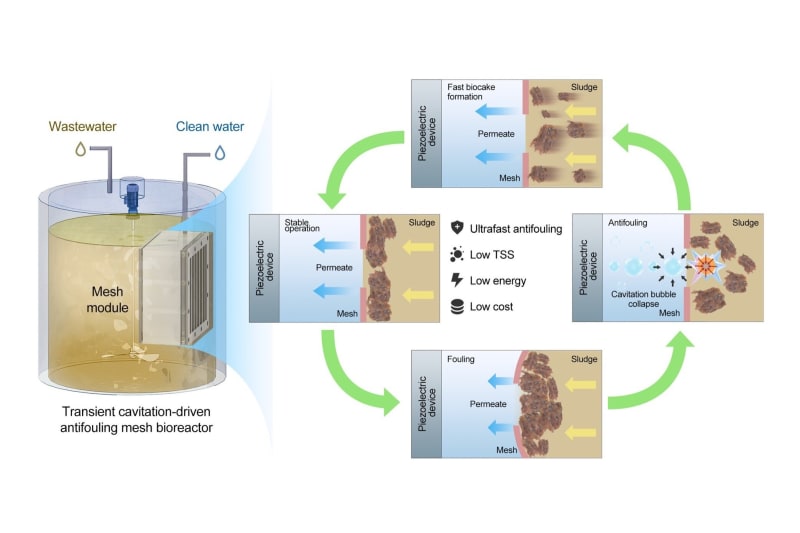
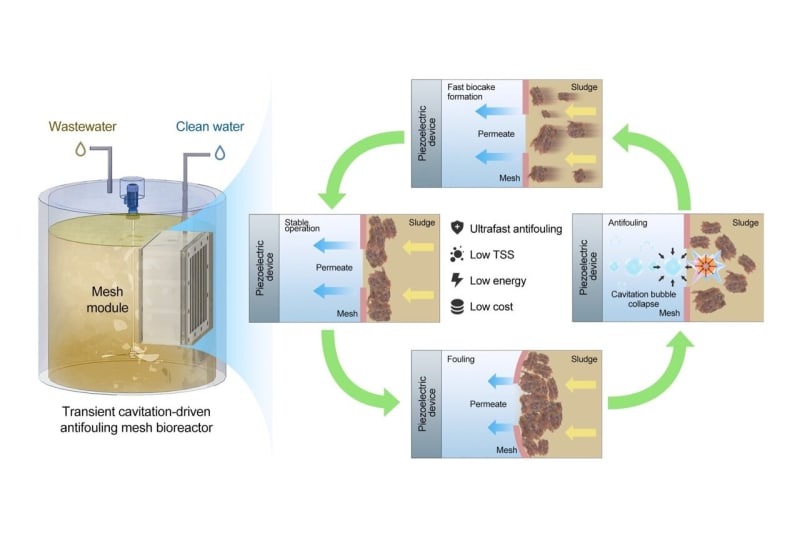
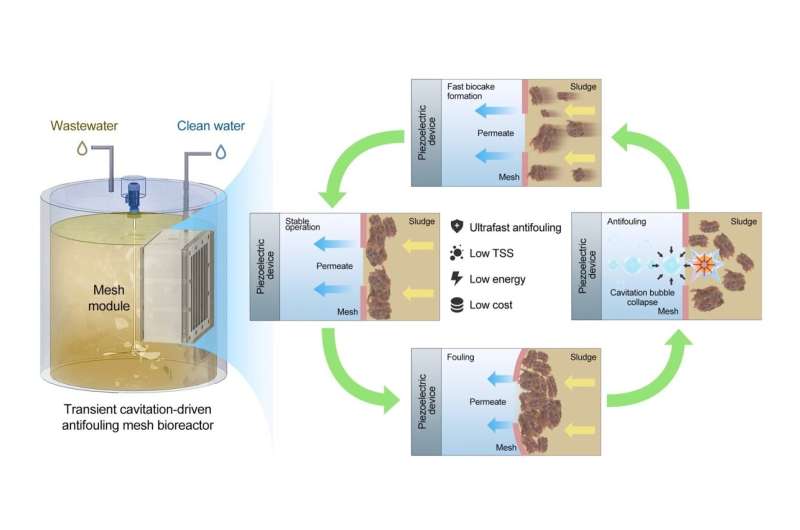
The breakthrough centers on a mesh bioreactor that uses ultrasound bubbles to clean itself in under four seconds. Traditional membrane systems get clogged with gunk and need constant cleaning and replacement, driving up costs and slowing down treatment.
Professor Chen Guanghao and his team designed mesh screens that let water flow through while catching solid waste. Tiny ultrasound devices create bubbles that rapidly form and collapse, blasting away buildup on the mesh surface in just 3.8 seconds under certain conditions.
The system processed up to 307 liters of water per square meter every hour during tests. That rate crushes conventional systems while producing water cleaner than standards required in Hong Kong and most countries worldwide.
Even better, the technology sips energy instead of guzzling it. The system needs only a fraction of the power that traditional plants consume, cutting operational costs dramatically.
The team ran the system continuously for 120 days, then tested it for another three weeks using real municipal wastewater from the city. The mesh held up perfectly, showing only minor surface changes that didn't affect performance.
The Ripple Effect
Cities around the globe are drowning in rising water treatment costs and growing waste volumes. This technology offers relief exactly when it's needed most.
The cost savings add up fast. Treating each cubic meter of wastewater costs about five cents less with this system. For a major city processing millions of cubic meters daily, that translates to millions in annual savings.
The system also takes up less space than traditional plants, making it ideal for crowded urban areas where land is precious. Existing facilities could potentially upgrade their equipment to handle more wastewater without expanding their footprint.
The research appeared in the journal Nature Water after peer review. The team has already proven the system works with real municipal wastewater, moving it beyond laboratory conditions into practical application.
Professor Chen emphasized that the goal extends beyond technical achievement. His team wants to create solutions that deliver real value to society, helping communities manage resources more sustainably while protecting water quality.
As climate change intensifies and populations grow, clean water treatment becomes more critical every year. This innovation shows that meeting rising demand doesn't require sacrificing quality or breaking budgets.
More Images


Based on reporting by Phys.org - Technology
This story was written by BrightWire based on verified news reports.
Spread the positivity!
Share this good news with someone who needs it