New Wild Cat Species Found in Bolivia After 100+ Years
Scientists just identified a new species of wild cat in Bolivia's cloud forests, the first new living feline species discovered in over a century. The tiny tilcayo cat, smaller than most house cats, could help us save species we don't even know exist yet.
Deep in Bolivia's misty Yungas cloud forests, a tiny wild cat has just rewritten scientific history as the first new living feline species formally identified in more than 100 years.
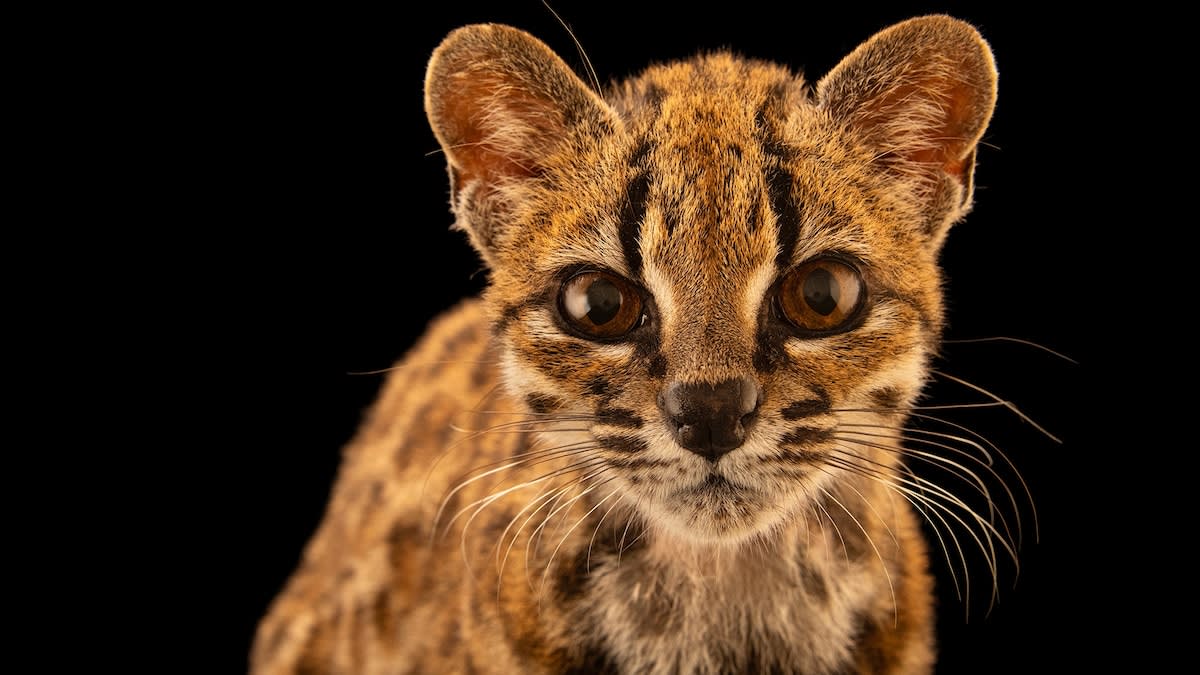
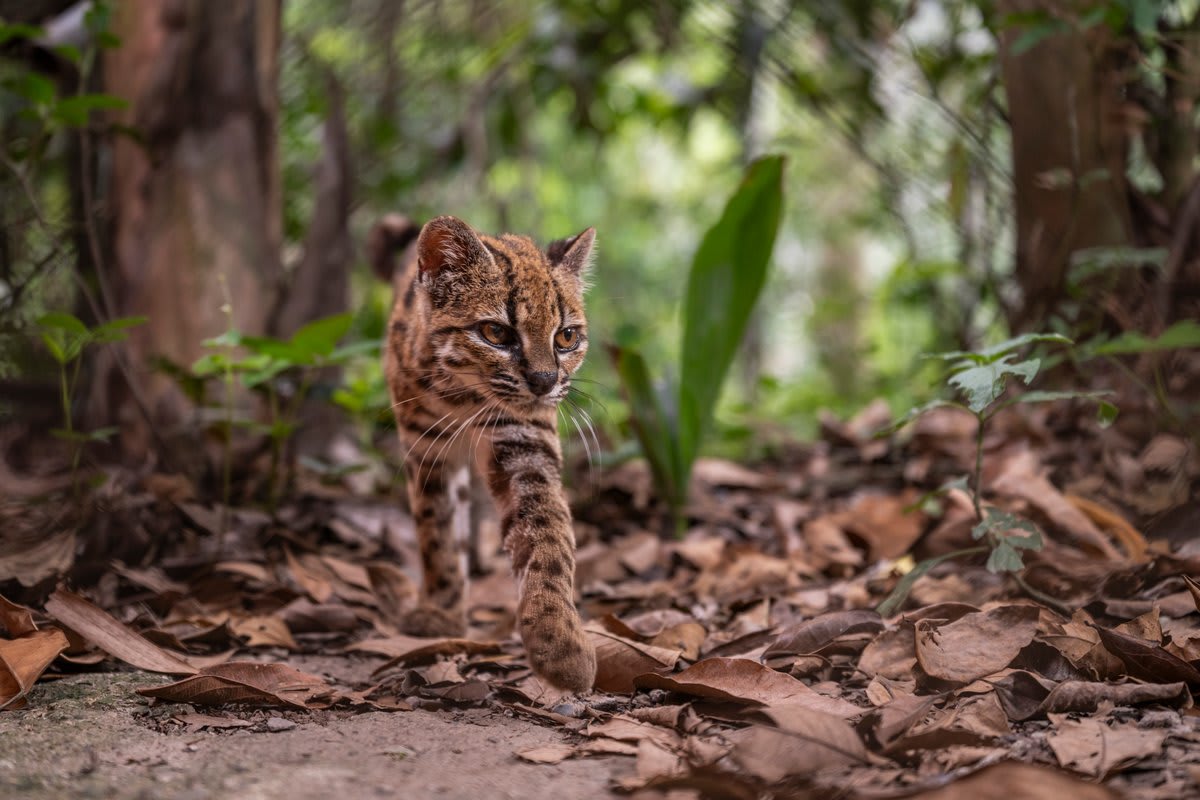
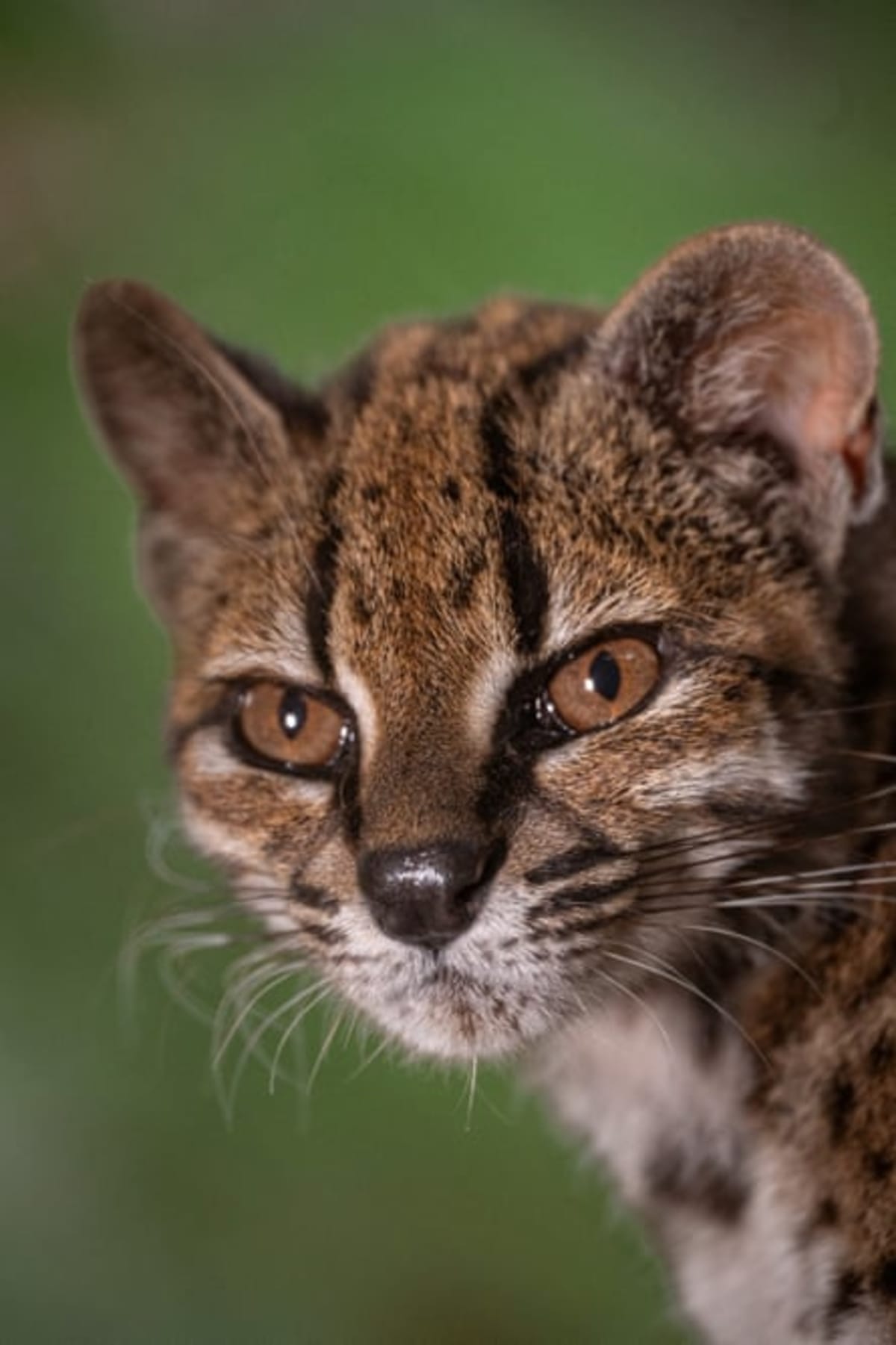
The cat, called tilcayo by local communities who've known about it for generations, weighs just three pounds and measures 18 inches long. That makes it smaller than your average house cat, despite living wild in the mountainous forests often shrouded in clouds and thick humidity.
Researcher Paola Nogales-Ascarrunz noticed something puzzling about this little spotted feline. Its light brown fur with irregular rosettes didn't match descriptions of other tiger cats found across South America, which had long been considered a single species.
When her team analyzed DNA from 38 cats across several South American countries, including museum specimens, they got a surprise. Tiger cats aren't one species but five genetically distinct ones, with the tilcayo separated from its cousins for about 1.4 million years.
The researchers gave it the scientific name Leopardus tilcayo, honoring what locals already called it. They examined two live individuals, including a 10-year-old male now living at Bolivia's Senda Verde wildlife sanctuary after a local family kept him as a pet.
Camera trap footage suggests the tilcayo hunts mostly at night. Small rodent remains in their scat hint at their diet, though scientists admit they're just beginning to understand how these secretive cats live.
Why This Inspires
This discovery carries an urgent message about what we stand to lose. The Yungas cloud forests face mounting pressure from deforestation, agricultural expansion, fires, and mining.
When assessed separately instead of lumped together, the tilcayo will likely be classified as endangered rather than just vulnerable. That matters because it means more targeted conservation efforts to protect the specific habitats where this rare cat lives.
The International Union for Conservation of Nature will review all five tiger cat lineages separately now, giving scientists a clearer picture of which populations need help most urgently.
"There are many undiscovered species out there in the world, and they are at risk of disappearing before we even discover them," said study co-author Eduardo Eizirik. Even among cats, one of the most studied animal groups on Earth, we're still finding new species hiding in plain sight.
The discovery reminds us that protecting forests means protecting mysteries we haven't solved yet and creatures we haven't even met.
More Images

Based on reporting by Guardian Environment
This story was written by BrightWire based on verified news reports.
Spread the positivity!
Share this good news with someone who needs it