New York Boys' Club Fights Mental Health Crisis With Friendship
A reporter searching for troubled boys at the Boys' Club of New York came up empty. The 150-year-old organization's simple secret: creating space for deep friendships that protect mental health.
When a journalist arrived at the Boys' Club of New York looking to interview middle schoolers about the mental health crisis in boys, she left disappointed. Despite serving 2,500 boys from disadvantaged backgrounds, many in single-parent homes, the club showed no signs of crisis.
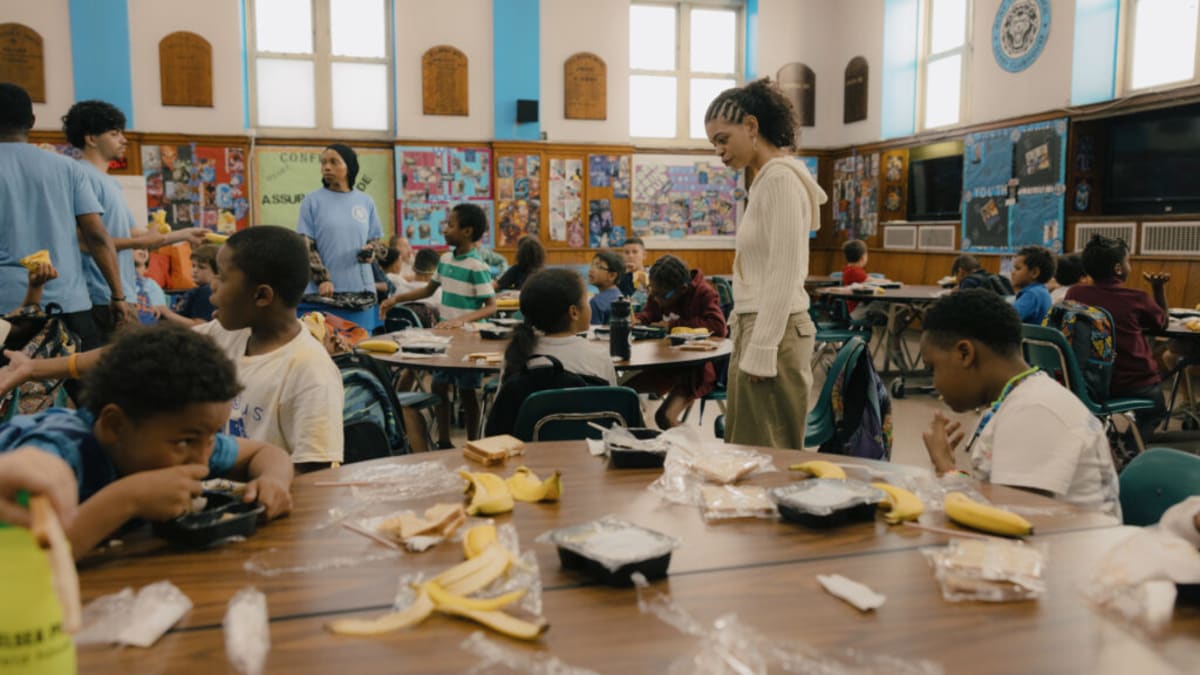
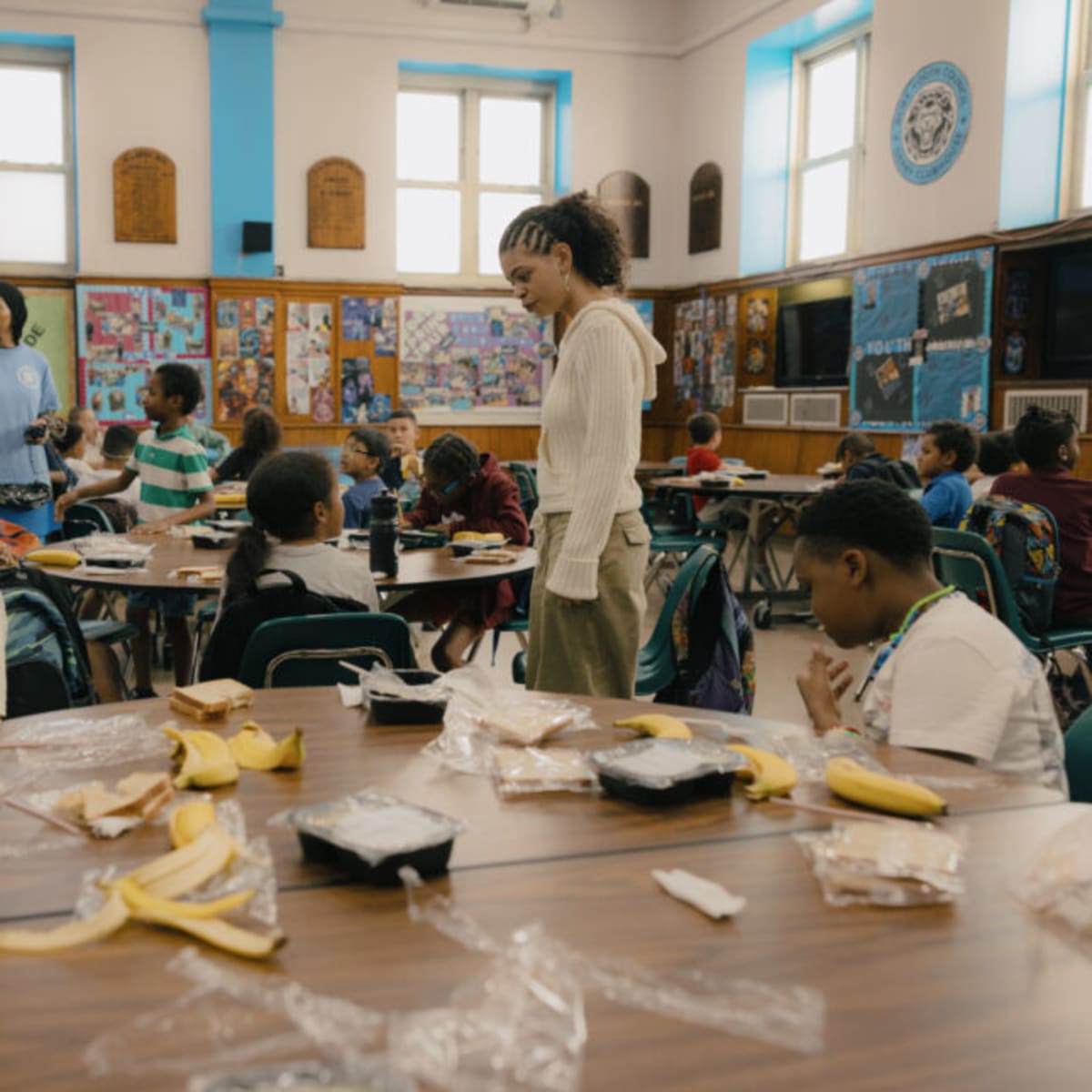
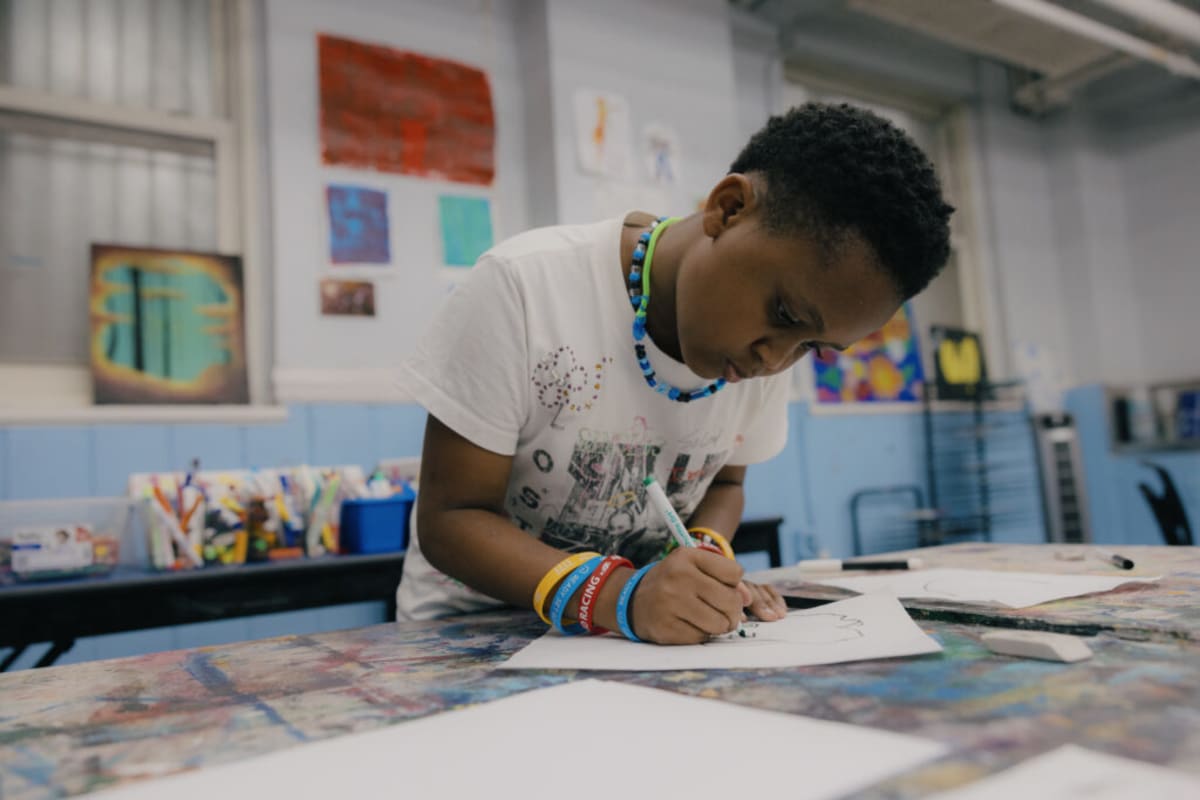
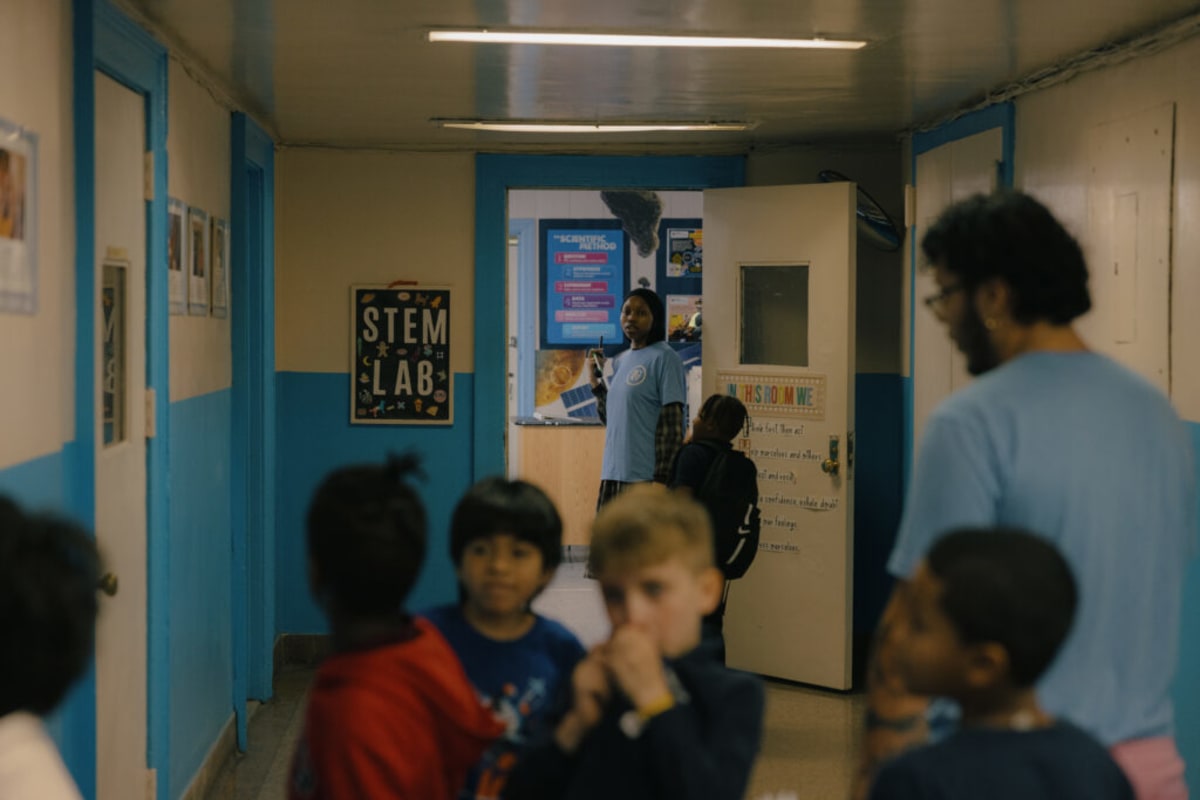
What she found instead was something remarkably ordinary: boys doing homework, swimming, playing sports, learning music, and hanging out together. Just kids being kids, in community.
That ordinariness is exactly the point. At a time when boys struggle with mental health, academic performance, and identity at alarming rates, BCNY has quietly sheltered its members from the storm using the same approach it's used since 1876.
"Some of the solutions are really simple," said Avita Bansee, the club's managing director of communications. "You give boys and young men the opportunity to bond in a deeper way. The real magic is the sense of belonging and the friendships."
Research backs this up. Niobe Way, a developmental psychology professor at New York University who has studied teenagers for nearly 40 years, sees mental health struggles as symptoms of a deeper problem: boys losing connection with friends.
Her studies found that boys crave close friendships just as much as girls do, and they're equally skilled at building them. But around age 16, boys hit what Way calls a "crisis of connection" and stop discussing feelings with friends, right when suicide and violence rates spike.
The culprit? Traditional "boy culture" that prizes thinking over feeling, autonomy over connection, and money over people. It teaches boys that vulnerability equals weakness.
Why This Inspires
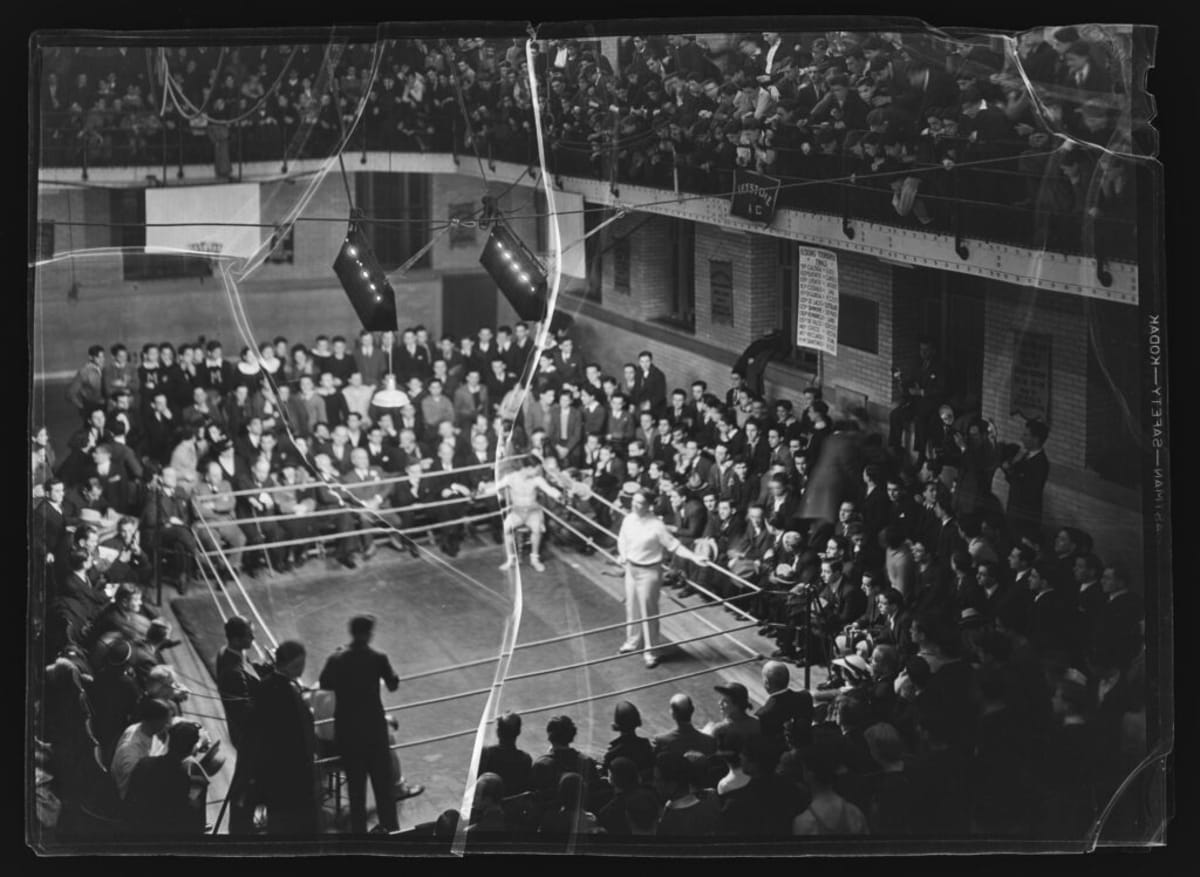
The Boys' Club counters this toxic narrative without fancy programs or expensive interventions. Founded by railroad tycoon E.H. Harriman in a Lower East Side school basement, it offered reading materials and boxing lessons to keep kids off the streets.
Today there are recording studios, swimming pools, and robotics classes in clubhouses across Queens and the Bronx. But the core ingredients remain unchanged: space, care, structure, and belonging.
Every program infuses opportunities for boys to bond across generations and share both hard and soft skills. Walk into any clubhouse and you'll see it: trinkets from boys covering the receptionist's desk, steam rising from the pool, the hum of kids together.
"When you walk in that space, it's a place of love," Way said. She's advised the club for years and sees its power in addressing the root cause rather than symptoms.
Fifth graders recently diagnosed the solution themselves when Way asked what predicts mental health. "When your friends don't treat you well," they told her.
She laughed at their simple wisdom, noting she'd received millions in research grants to confirm exactly that finding.
The Boys' Club proves that fighting the mental health crisis doesn't require innovation, just remembering what boys have always needed: a place to belong and friends who treat them well.
More Images
Based on reporting by STAT News
This story was written by BrightWire based on verified news reports.
Spread the positivity!
Share this good news with someone who needs it