New York Pays Homeowners to Store Clean Energy at Home
New York homeowners can now earn thousands of dollars by installing home batteries that help power the grid during peak demand. The state offers $3,000 upfront plus ongoing payments when utilities tap stored energy.
📺 Watch the full story above
Imagine getting paid to make your home more energy independent while helping your neighbors keep their lights on during hot summer afternoons.
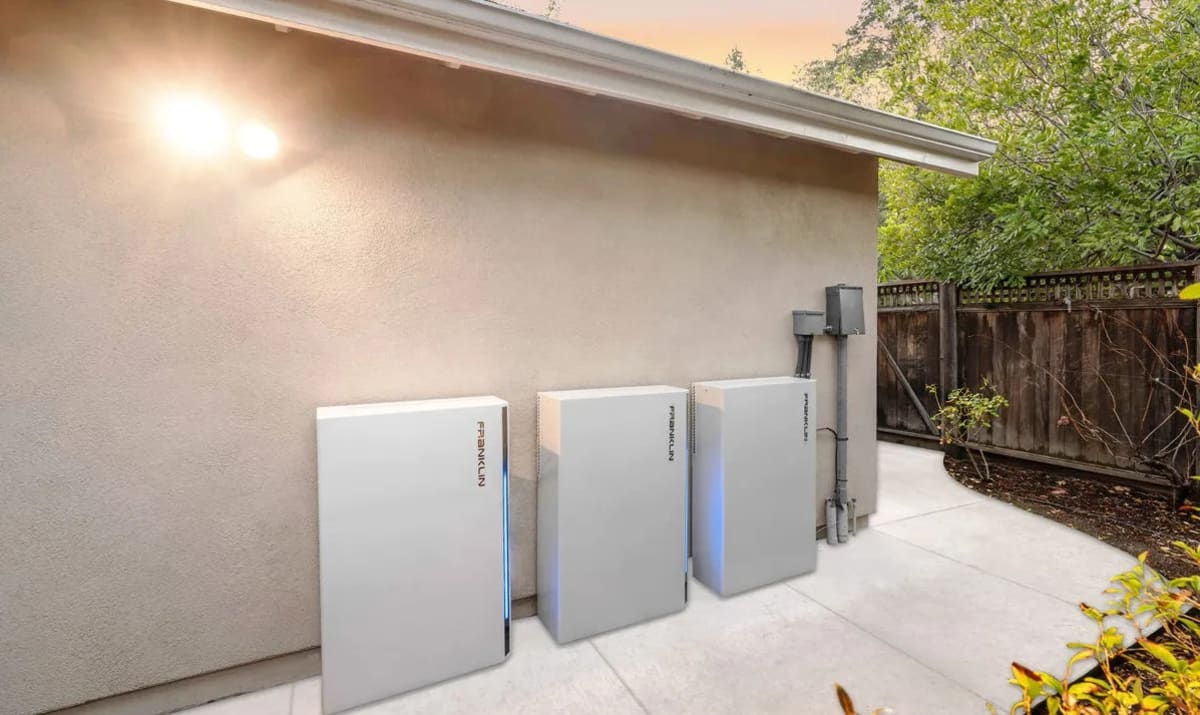
New York homeowners can now receive about $3,000 from the state to install home battery systems. The New York State Energy Research and Development Authority makes this possible through incentives that dramatically reduce upfront costs.
But the financial benefits don't stop there. Utilities like National Grid and Orange & Rockland also pay homeowners ongoing payments whenever they draw on stored battery power during peak demand periods.
The systems store 15 kilowatt-hours of energy, enough to power essential appliances during outages or grid stress. Installation takes just one to two days once permits are approved, and certified local installers handle everything from permitting to connecting with utilities.
Homeowners enroll through programs called ConnectedSolutions and Smart Savers Battery Program right when their system gets installed. Once connected, the battery automatically participates in what's called a virtual power plant.
Here's how it works: during heat waves or other high-demand periods, utilities pull small amounts of energy from many homes at once instead of firing up expensive backup power plants. Homeowners get compensated while still keeping enough backup power for their own needs.
The batteries use lithium iron phosphate chemistry, prized for safety and longevity. They come with a 15-year warranty, meaning homeowners can count on reliable backup power for over a decade.
The Ripple Effect
This program shows how individual homes can become part of the climate solution. Every battery installed means the grid needs less fossil fuel backup during emergencies, cutting emissions while strengthening neighborhood resilience.
When thousands of homes participate, they create a distributed power network that's more reliable than traditional infrastructure. Communities become less vulnerable to blackouts, and utilities avoid building expensive new power plants.
The model is catching on beyond New York. Four other states now offer similar incentives, and programs are expanding in places like Puget Sound, proving this approach works nationwide.
For New York homeowners, it's a rare win on multiple fronts: lower energy bills, backup power during outages, extra income from the utility, and knowing they're helping build a cleaner, more stable grid for everyone.
More Images
Based on reporting by CleanTechnica
This story was written by BrightWire based on verified news reports.
Spread the positivity!
Share this good news with someone who needs it