New Zealand Cave Reveals 1 Million-Year-Old Lost World
Scientists discovered fossils of 12 ancient bird species and four frog species in a New Zealand cave, including birds that lived over a million years ago. The find fills a massive gap in understanding how the island's wildlife evolved long before humans arrived.
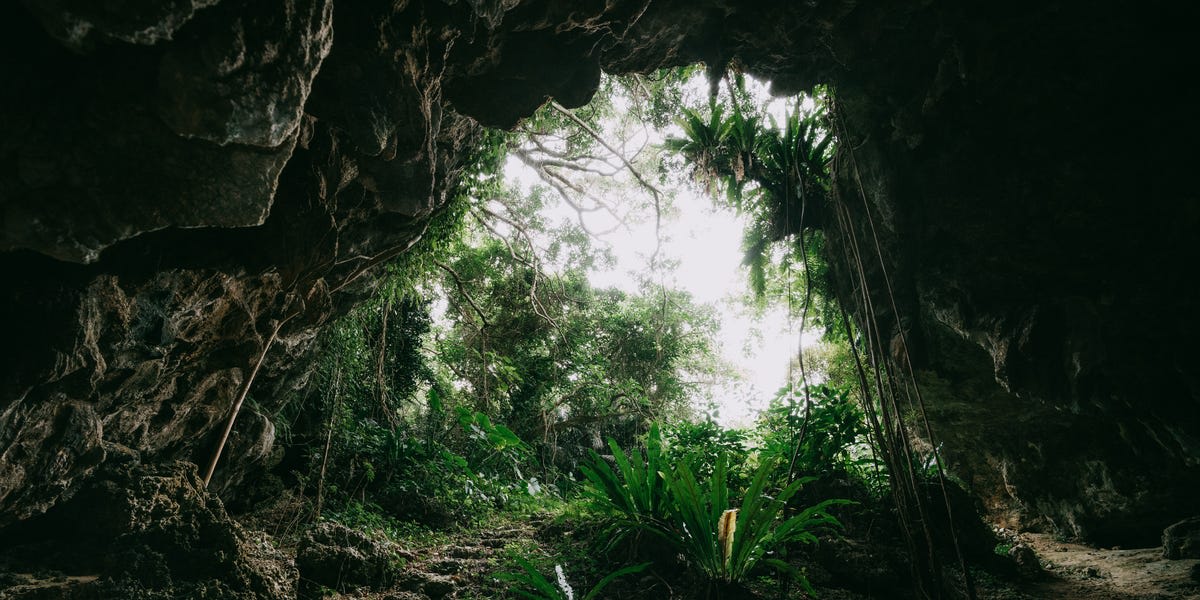
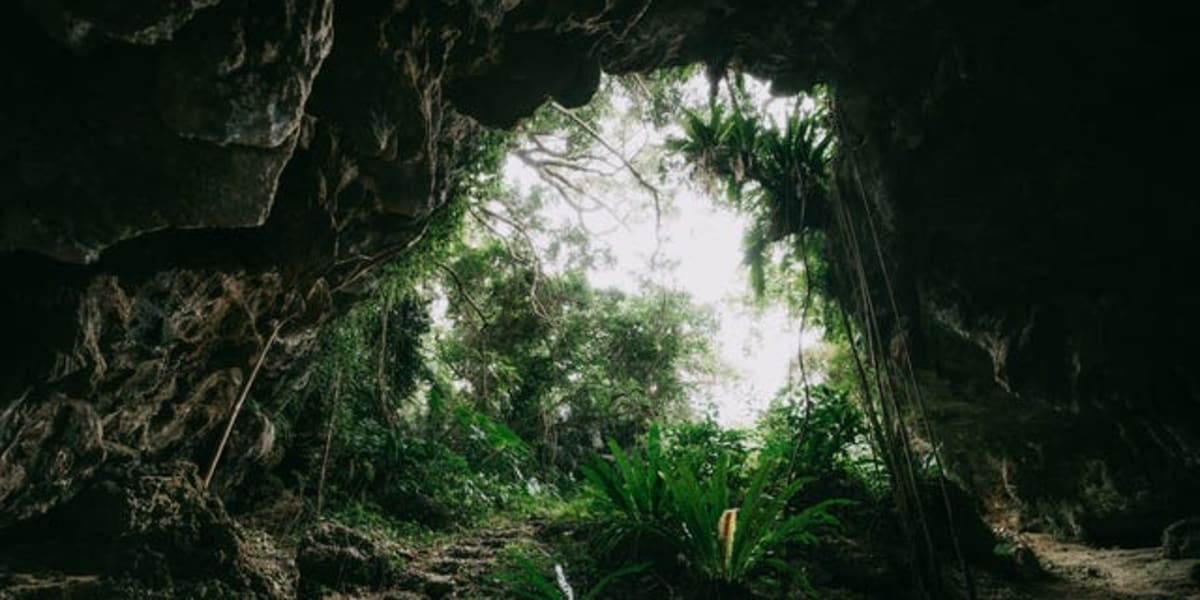
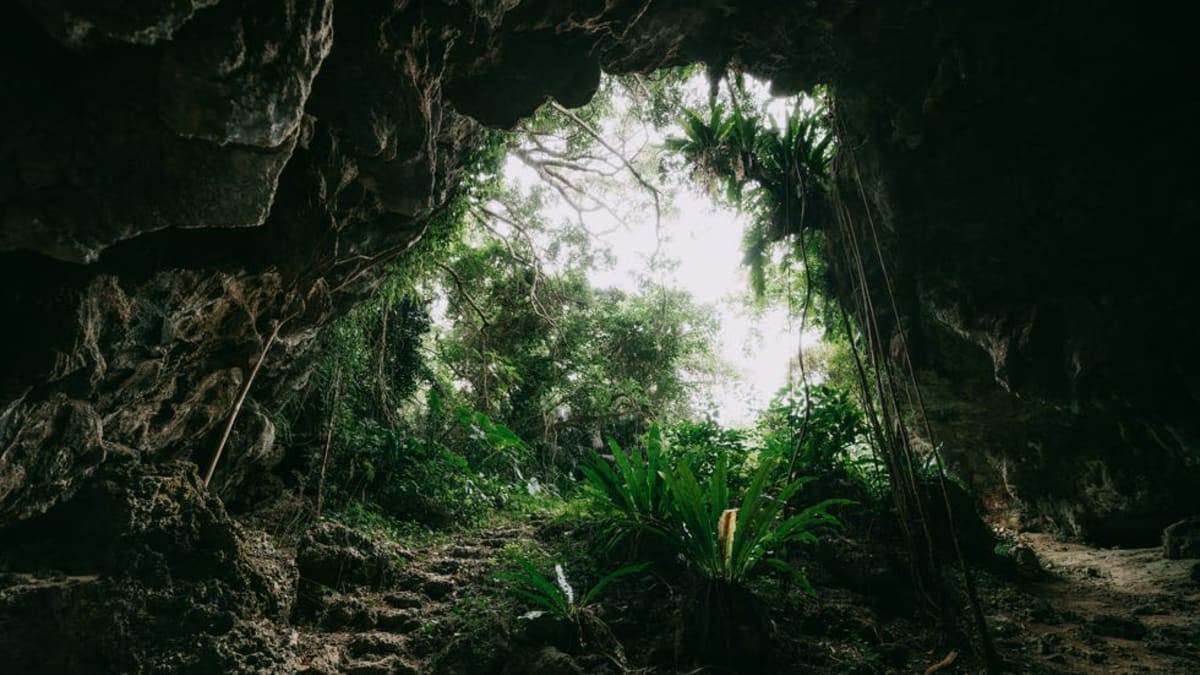
A hidden cave on New Zealand's North Island just revealed what scientists are calling a "missing volume" of ancient history: fossils from a lost world that existed over a million years ago.
Researchers uncovered remains of 12 bird species and four frog species trapped between layers of volcanic ash in the cave. Many of these creatures had never been seen before, painting a picture of an ancient forest ecosystem dramatically different from the one that greeted human settlers 750 years ago.
The fossils sat preserved between two volcanic eruptions, one from 1.55 million years ago and another from 1 million years ago. This timing matters because it shows what life looked like during a period scientists knew almost nothing about.
Trevor Worthy, the lead researcher from Flinders University, said the discovery rewrites what we thought we knew about extinction in New Zealand. For decades, scientists blamed human arrival for wiping out native species. This find proves that nature itself, through massive volcanic eruptions and rapid climate changes, had already transformed the island's wildlife long before people showed up.
The team estimates that between 33 and 50 percent of all species on New Zealand's North Island went extinct during that million-year period. Super-volcanoes and dramatic climate shifts forced these changes, reshaping which animals could survive.
Among the finds, scientists are especially excited about discovering Strigops insulaborealis, an ancient relative of the beloved Kākāpō parrot. Today's Kākāpō is a hefty, flightless bird known for its climbing skills. But this ancestor had weaker legs and different bone structure, suggesting it may have been able to fly.
The team also found ancestors of the modern Takahe bird and fossils of an extinct pigeon species related to Australian bronzewing pigeons. Each discovery opens new questions about how these species evolved and adapted over time.
Paul Scofield, senior curator at Canterbury Museum, explained that previous excavations showed life from 20 to 16 million years ago. Then there was nothing until about one million years ago. This new discovery fills that enormous gap, revealing how shifting forests and shrublands forced wildlife to adapt or disappear.
The Bright Side: This discovery changes how we understand resilience in nature. While it's sobering to learn that natural forces caused massive extinctions, it also shows that ecosystems can recover and evolve in remarkable ways. The species that survived these ancient catastrophes went on to become the unique wildlife that makes New Zealand special today, proving that life finds a way even after devastating changes.
The research, published in January in Alcheringa: An Australasian Journal of Palaeontology, gives scientists crucial context for understanding modern conservation efforts and how species might adapt to future environmental changes.
More Images

Based on reporting by Google: fossil discovery
This story was written by BrightWire based on verified news reports.
Spread the positivity!
Share this good news with someone who needs it