New Zealand Cave Reveals 1-Million-Year-Old Parrot Ancestor
Scientists uncovered fossils from 12 ancient bird species in a New Zealand cave, including a flying ancestor of the flightless kākāpō parrot. The discovery fills a 15-million-year gap in the island's fossil record.
Deep inside a North Island cave, paleontologists just discovered what they're calling a "missing volume" of New Zealand's natural history.
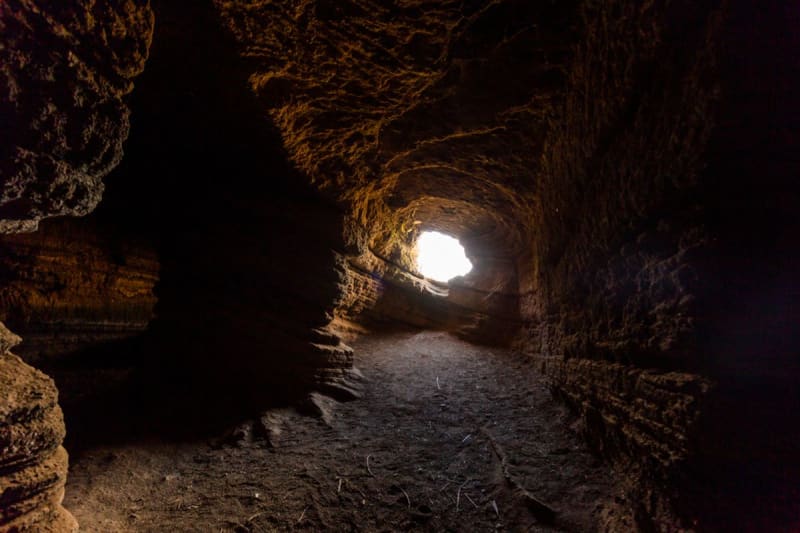
Researchers from Flinders University and Canterbury Museum unearthed fossils from 12 ancient bird species and four frog species at Moa Eggshell Cave near Waitomo. The fossils, perfectly preserved between layers of volcanic ash, date back one million years.
The star of the discovery is Strigops insulaborealis, an ancient relative of the beloved kākāpō. Today's kākāpō is a critically endangered, flightless parrot that waddles through forests on strong legs. But this newly identified ancestor may have soared through ancient skies, though scientists need more research to confirm.
The timing of this find solves a scientific puzzle. Previous excavations at St Bathans gave researchers a clear picture of New Zealand life 16 to 20 million years ago. Then the fossil record went dark for 15 million years.
"This wasn't a missing chapter in New Zealand's ancient history; it was a missing volume," said Paul Scofield, senior curator at Canterbury Museum.
The Bright Side
The fossils tell an unexpected story of resilience. For decades, scientists blamed human arrival 750 years ago for wiping out New Zealand's unique birds. This discovery proves nature was already reshaping the islands long before people arrived.
Massive volcanic eruptions and climate shifts forced these ancient species to adapt or disappear. The researchers found evidence of one eruption so powerful it buried most of the North Island in deep ash. Yet life bounced back, evolving into the distinctive species New Zealanders treasure today.
Among the other discoveries were an ancient takahē (a flightless swamphen) and an early pigeon species. Each fossil adds detail to how New Zealand's forests and scrublands transformed over time.
The volcanic ash layers that entombed these creatures also became their time capsules. One layer dates to 1.55 million years ago, the other to 1 million years ago, allowing precise dating.
"This remarkable find suggests our ancient forests were once home to a diverse group of birds that did not survive the next million years," said paleontologist Trevor Worthy.
Understanding how these ancient species responded to natural upheaval helps scientists predict how today's endangered birds might adapt to climate change and environmental challenges ahead.
More Images

Based on reporting by Google: fossil discovery
This story was written by BrightWire based on verified news reports.
Spread the positivity!
Share this good news with someone who needs it