Witch Croc' Fossil Fills Missing Link in New Mexico
Scientists just discovered a bizarre two-legged, toothless crocodile relative that looks exactly like a dinosaur but isn't. The 200-million-year-old fossil from New Mexico fills a gap researchers knew had to exist.
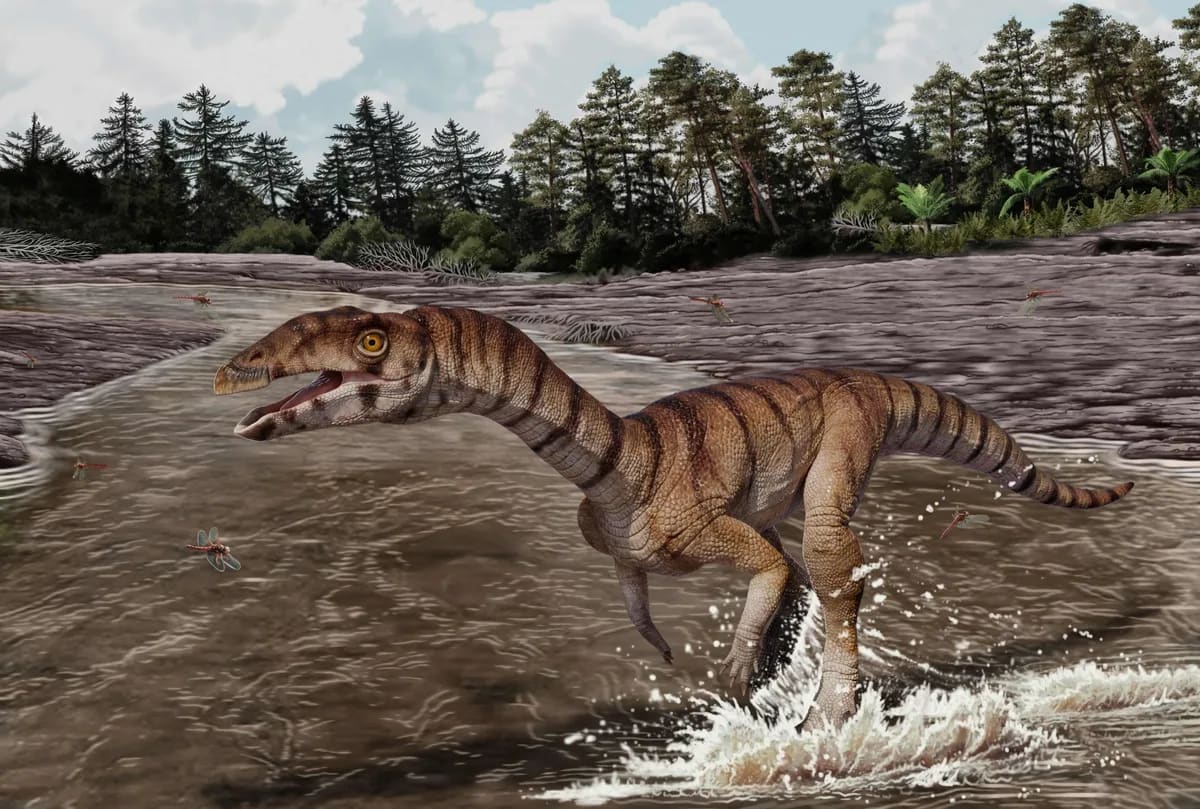
Scientists in New Mexico have discovered the fossil of a creature so unusual it earned the nickname "witch croc." Despite looking exactly like a dinosaur, this ancient reptile was actually a distant relative of modern crocodiles.
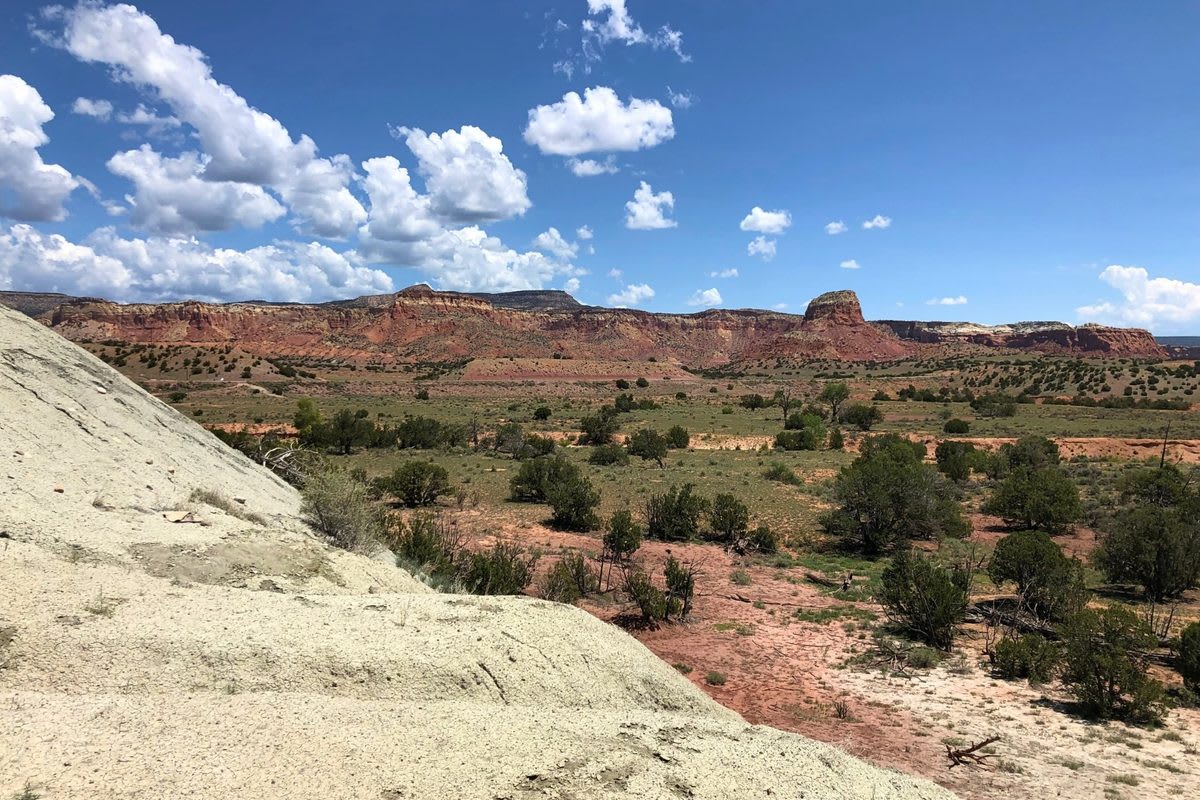
The creature, officially named Labrujasuchus expectatus, walked on two legs and had a toothless beak. Researchers from the Natural History Museum of Los Angeles County found its remains at Ghost Ranch, a site whose old Spanish name "Ranchos de los Brujos" means "Ranch of the Witches."
This discovery solves a puzzle paleontologists have been waiting to complete for years. Scientists had already found similar creatures from earlier and later time periods, so they knew something had to exist in between. That's why they named it "expectatus," which means "expected."
"We wanted to highlight how the fossil record works," said co-author Nate Smith. "Finding one shuvosaur from earlier in the Triassic and one from later meant that we palaeontologists knew there were probably more from in-between waiting to be discovered."
The witch croc belongs to a group called shuvosaurs, bipedal beaked reptiles that roamed the southern United States between 235 and 201 million years ago. While they look like dinosaurs, they actually evolved on the crocodile side of the family tree.
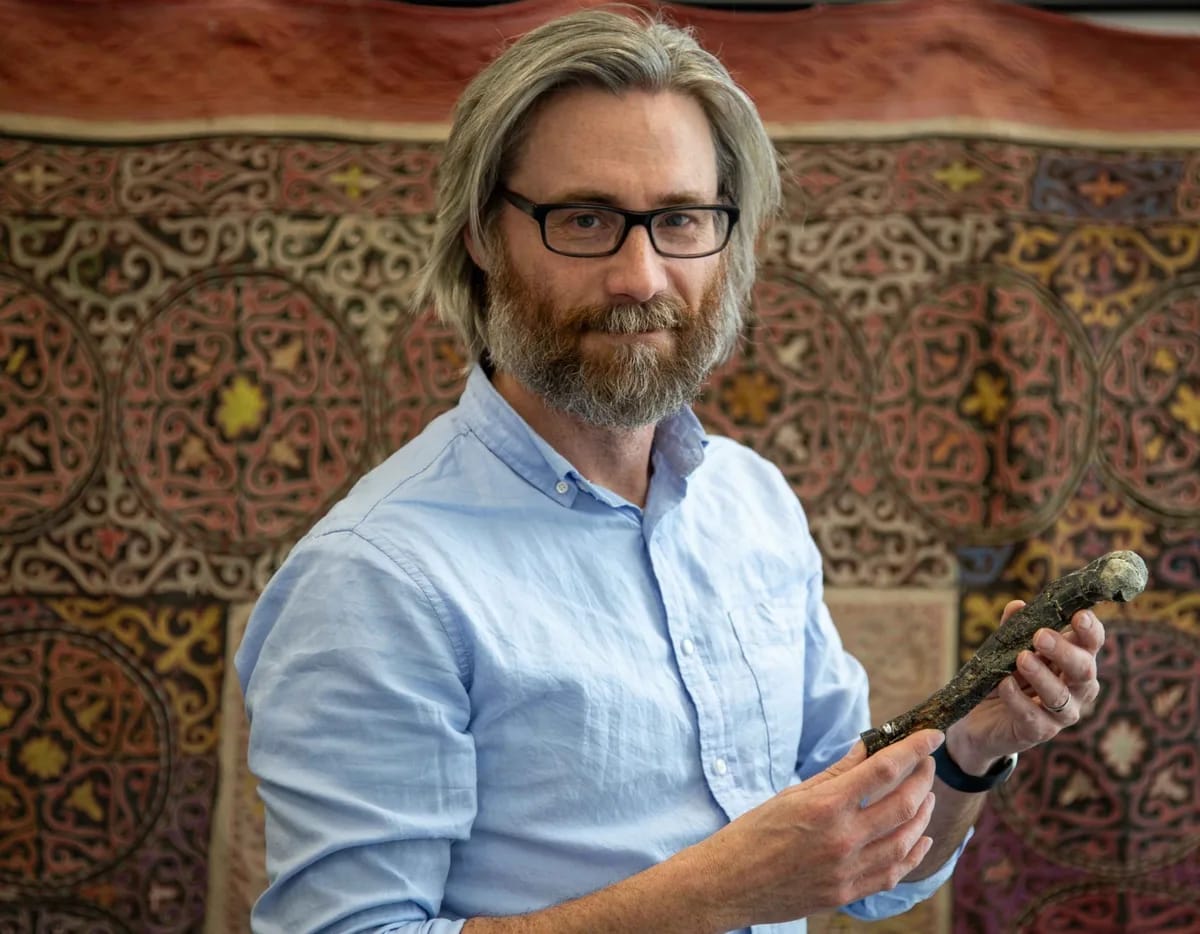
Lead author Alan Turner explained that these creatures show how different reptile groups experimented with similar body shapes. "Bipedalism is certainly a unique path for crocodile relatives to take, but it's a path well-trod by dinosaurs and later birds," he said.
Why This Inspires
This discovery reminds us that nature has been trying out successful strategies for millions of years. The witch croc proves that walking on two legs worked so well that evolution discovered it multiple times independently.
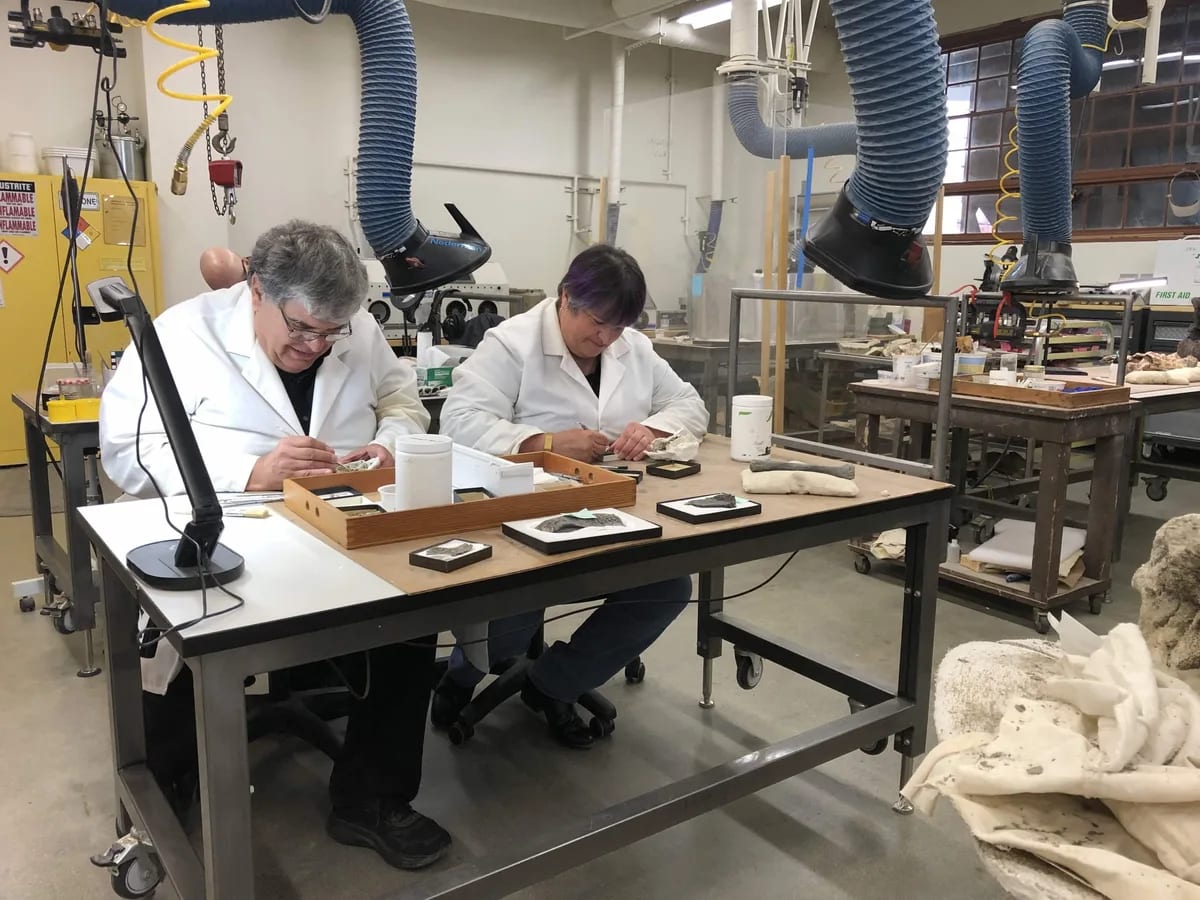
The finding also celebrates persistence and patience. Smith and his colleagues spent 20 years excavating at Ghost Ranch, carefully uncovering fossils and piecing together ancient stories.
Ghost Ranch itself has a rich history of important discoveries, including more than a thousand well-preserved skeletons of a tiny dinosaur called Coelophysis found in 1947. The 21,000-acre site continues to reveal secrets about life on Earth hundreds of millions of years ago.
The witch croc is only the fifth shuvosaur species ever identified, and its discovery shows there's still so much to learn about our planet's past. Every fossil fills in another piece of the picture, helping us understand how life evolved and adapted over time.
Nature's creativity never stops surprising us, even after 200 million years.
More Images
Based on reporting by Google News - Science
This story was written by BrightWire based on verified news reports.
Spread the positivity!
Share this good news with someone who needs it