Dinosaurs Were Thriving When Asteroid Hit 66M Years Ago
New fossils from New Mexico prove dinosaurs were flourishing in diverse ecosystems right until the asteroid struck, overturning a century of scientific belief that they were already dying out. The discovery includes 30-ton giants walking Earth just 380,000 years before extinction.
For nearly 100 years, scientists thought dinosaurs were fading away when the asteroid arrived 66 million years ago. A groundbreaking 2025 study published in Science just flipped that story on its head.
Researchers led by Andrew Flynn of New Mexico State University spent over a decade dating fossils from northwestern New Mexico's San Juan Basin. Their painstaking work pinned down the age of these ancient remains to within 380,000 years before the extinction, and what they found was remarkable.
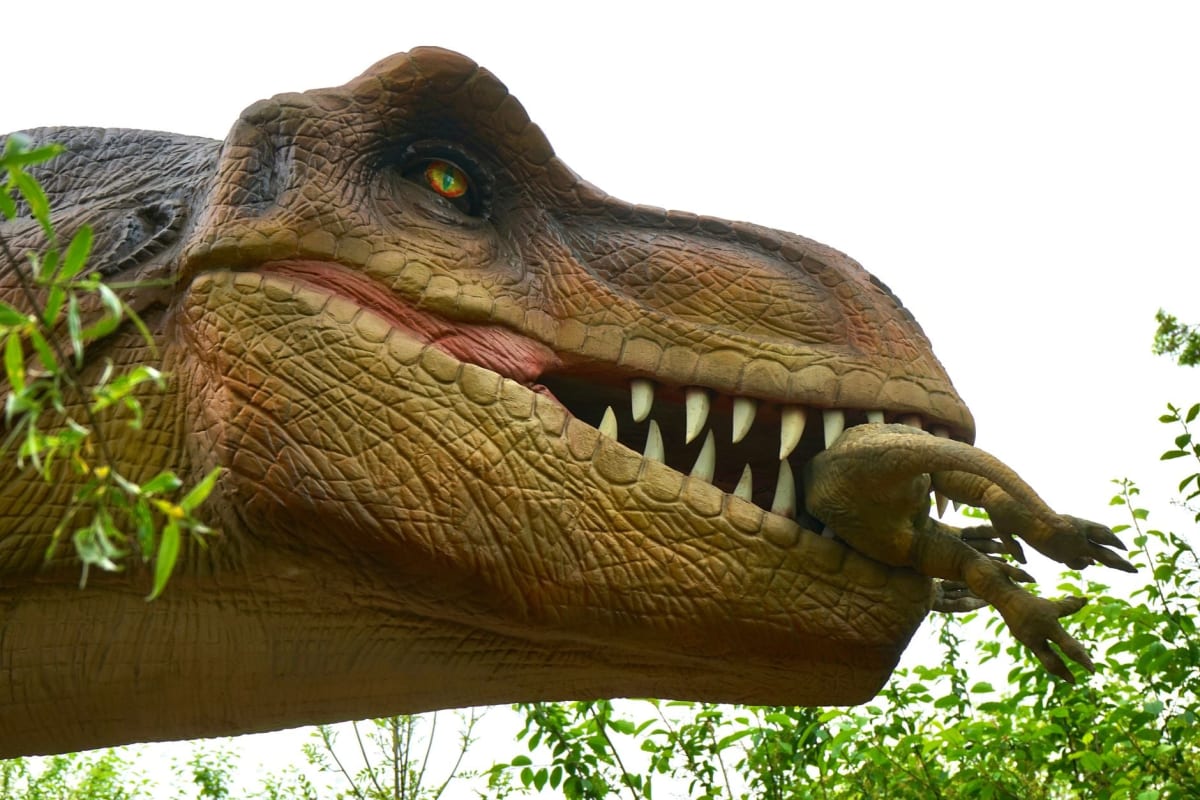
The ecosystem was thriving. Giant sauropods like Alamosaurus, stretching 30 meters long and weighing over 30 tons, roamed warm tropical forests alongside Tyrannosaurus, Torosaurus, and duck-billed dinosaurs. These weren't struggling survivors, they were flourishing members of a rich community.
The discovery matters because it challenges what we thought we knew. For decades, scientists believed sauropods had already disappeared before the asteroid hit, partly because they weren't found in Montana's famous Hell Creek Formation. Turns out they were just living somewhere else, thriving in the lush southern forests.
The team used two clever dating methods to nail down the timeline. They read Earth's ancient magnetic field frozen in the rocks and analyzed radioactive grains in the sandstone. Both methods pointed to the same answer: these dinosaurs were alive and well right before everything ended.
Flynn put it simply: the dinosaurs were not on their way out but doing great and thriving. The asteroid knocked them down while they were strong, not weak.
The picture that emerges is of a continent split into two different but equally successful dinosaur worlds. Cool coastal plains in the north had their own mix of species, while warm southern forests hosted the great sauropods. Both were full of life, diversity, and animals still evolving into new forms.
Why This Inspires
This discovery reminds us that even our most confident conclusions can change with new evidence. Scientists didn't give up on understanding what really happened 66 million years ago, they kept looking, kept digging, and kept questioning.
The honesty matters too. The researchers acknowledge this is one powerful snapshot, not the final word. Other scientists like Michael Benton see evidence of decline in other regions, while Darla Zelenitsky views these findings as strong proof dinosaurs stayed vigorous to the end.
What's inspiring is watching science work exactly as it should: evidence versus evidence, respectful disagreement, and the search for truth continuing. The debate isn't settled, but now we know that at least in some places, dinosaurs were at the peak of their success when catastrophe struck.
That makes their story even more profound. Extinction wasn't the tidy ending of a failing group but a sudden blow to a thriving one, a reminder that success offers no protection from the unexpected and that life's fragility makes its persistence all the more amazing.
Based on reporting by Google News - Science
This story was written by BrightWire based on verified news reports.
Spread the positivity!
Share this good news with someone who needs it