Mexico Discovers New Axolotl Species Millions of Years Old
Scientists in Mexico just identified a brand new species of axolotl from fossils dating back millions of years. The discovery proves these beloved amphibians have called Mexico home far longer than anyone realized.
Researchers at Mexico's National Autonomous University have discovered a new species of axolotl that lived millions of years ago, rewriting what we know about these fascinating creatures.
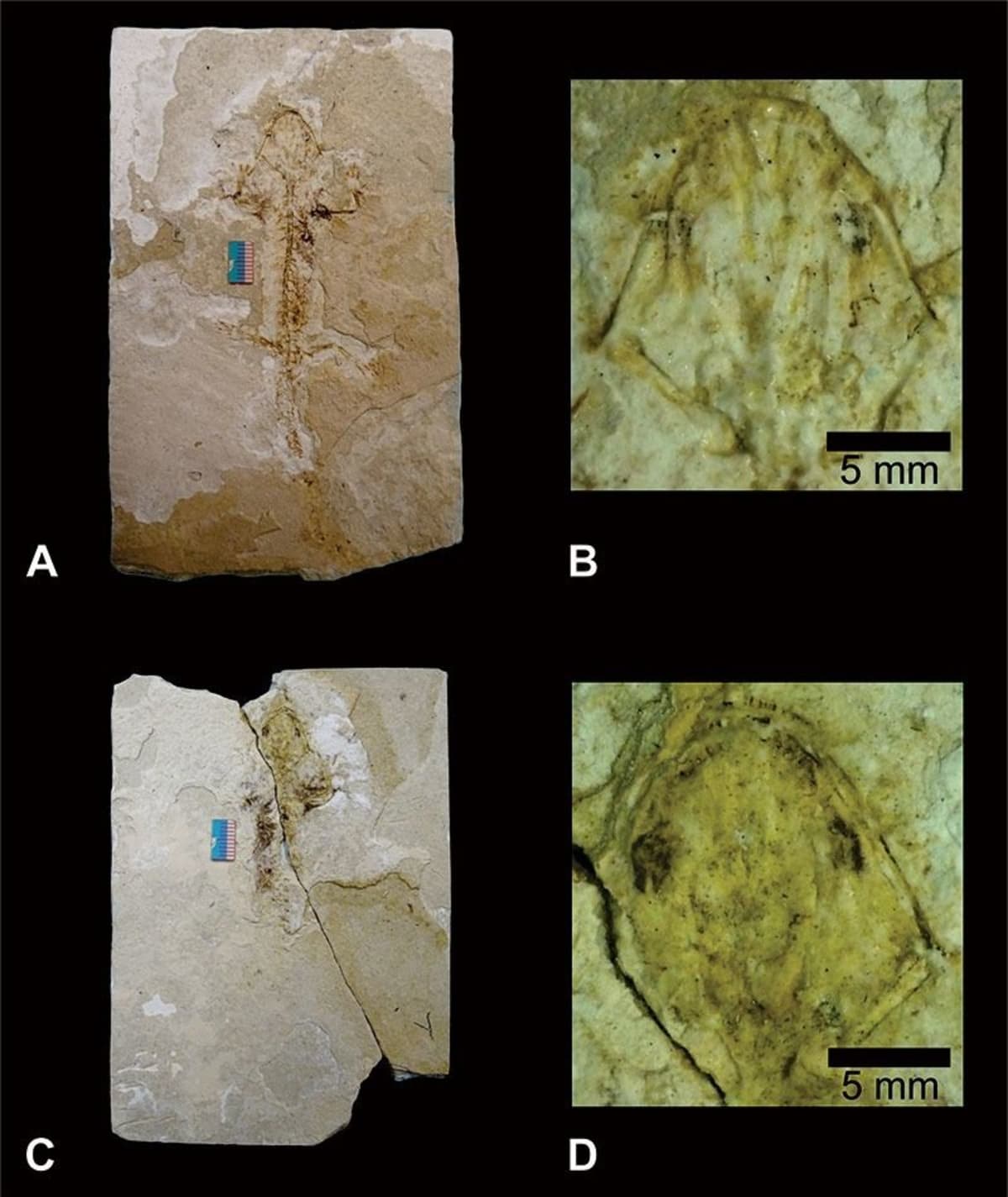
The team identified Ambystoma quetzalcoatli from fossils found in Hidalgo, Mexico. This marks the first fossil salamander species ever formally described in the country and the oldest known axolotl relative documented there.
The fossils came from Atotonilco el Grande, where an ancient freshwater lake once stretched across 85 square kilometers. Scientists examined a dozen specimens collected in the early 2000s that had sat unstudied for nearly three decades.
What makes this discovery special? The fossils were incredibly well preserved, with complete skeletons that allowed researchers to examine every detail. Using modern CT scanning and comparing the bones with 13 living axolotl species, the team spotted crucial differences.
The ancient species had 17 trunk vertebrae, while modern axolotls have 16 or fewer. It also showed distinctive skull features, including an elongated opening on top and a differently structured palate that set it apart from any living species.
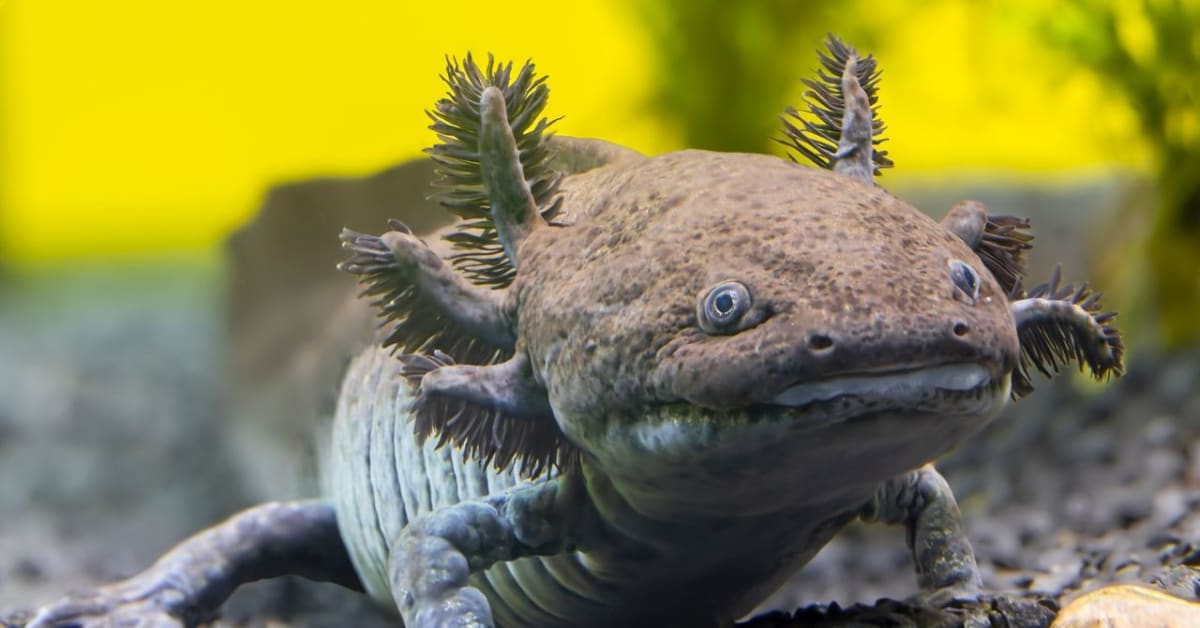
Despite these differences, the fossil axolotls shared something remarkable with their modern cousins. They displayed neoteny, the trait that lets axolotls keep their juvenile features throughout adulthood, including those adorable external gills.
This adaptation typically develops in stable lake environments where animals face little pressure to fully metamorphose. Finding it in Pliocene-era fossils means Mexican axolotls have been doing their thing for millions of years.
Why This Inspires
This discovery gives us hope for understanding how modern biodiversity connects to ancient ecosystems. The axolotl lineage runs deeper through time than scientists previously imagined, showing these creatures have survived dramatic environmental changes over millions of years.
Modern axolotls face serious threats from habitat loss and pollution, especially the critically endangered Xochimilco axolotl. But knowing their ancestors thrived through massive geological changes reminds us these animals possess incredible resilience built over eons.
The research also highlights how treasures can hide in plain sight. These fossils sat in a collection for decades before modern technology and fresh eyes revealed their secrets. Who knows what other discoveries await in museum drawers and storage rooms?
Mexico's biodiversity has roots stretching back through deep time, connecting today's ecosystems to worlds that vanished millions of years ago.
More Images



Based on reporting by Wired
This story was written by BrightWire based on verified news reports.
Spread the positivity!
Share this good news with someone who needs it