Taiwan Plants 5,339 Trees in 3-Year Forest Restoration
A coastal forest restoration project in southern Taiwan has transformed nearly two acres of invasive plants into a thriving native ecosystem, complete with returning wildlife. The success could guide similar projects across the region.
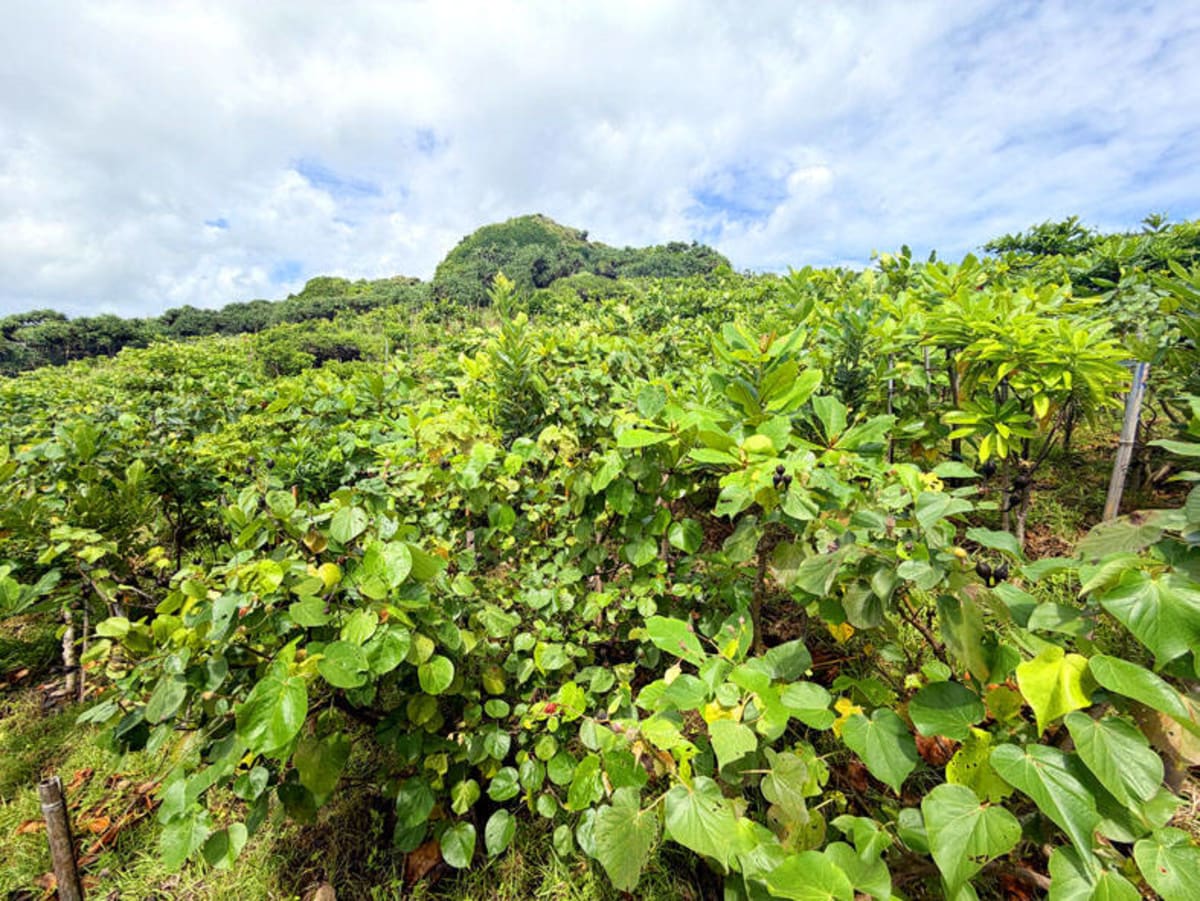
Where invasive weeds once choked the coastline, over 5,000 native trees now tower above the ground in Pingtung County, Taiwan.
The Taiwan Forestry Research Institute planted 5,339 trees representing 18 native species across 2.64 hectares near Oluanpi over the past three years. The project began as environmental compensation for a nearby fishing harbor expansion that required removing protected forest.
Researchers took a smart approach. They removed invasive species like white popinac and giant sensitive plant, then mixed seeds with young plants to speed up forest growth. The strategy created a multilayered forest structure faster than traditional methods.
The results exceeded all expectations. After three years, native trees grew to over 1.6 meters tall, and the survival rate reached 1.65 times the standard benchmark. The forest now includes Indian almond, Alexandrian laurel, coast hibiscus, and Formosan date palm, among others.
The Ripple Effect
Wildlife quickly noticed the transformation. Researchers spotted Formosan hares hopping through the undergrowth, yellow-gray freshwater crabs scuttling along the forest floor, and Taiwan bulbuls singing from the branches. Skinks and tree lizards have also made the restored forest their home.
The success came despite serious challenges. The site faces harsh northeast monsoon winds and sits in an area where sika deer regularly forage. Soil improvements, better irrigation, and deer-proof fencing helped the young seedlings survive these threats.
Young seedlings are now regenerating naturally without human help, a key sign that the ecosystem is healing itself. The multilayered forest structure provides different habitats for various species, creating a more complex and resilient ecosystem.
The institute says this approach could work for coastal forest restoration throughout southern Taiwan. The model proves that development projects and environmental restoration can successfully work together when proper methods are used.
This coastal forest proves nature bounces back quickly when given the right support.
Based on reporting by Google News - Reforestation
This story was written by BrightWire based on verified news reports.
Spread the positivity!
Share this good news with someone who needs it