Scientists ID New Bear-Dog Species From Forgotten Skull
A skull that sat in storage for 20 years turned out to be an entirely new species of prehistoric bear-dog, revealing secrets about life 15.9 million years ago. The discovery helps scientists understand how ancient carnivores thrived together in tropical Spain.
Sometimes the biggest discoveries hide in plain sight for decades.
Back in the 1990s, researchers digging at Els Casots in Catalonia, Spain, uncovered a skull they assumed belonged to a known species. They cataloged it and placed it in storage, believing it held no new secrets. For 20 years, it sat untouched.
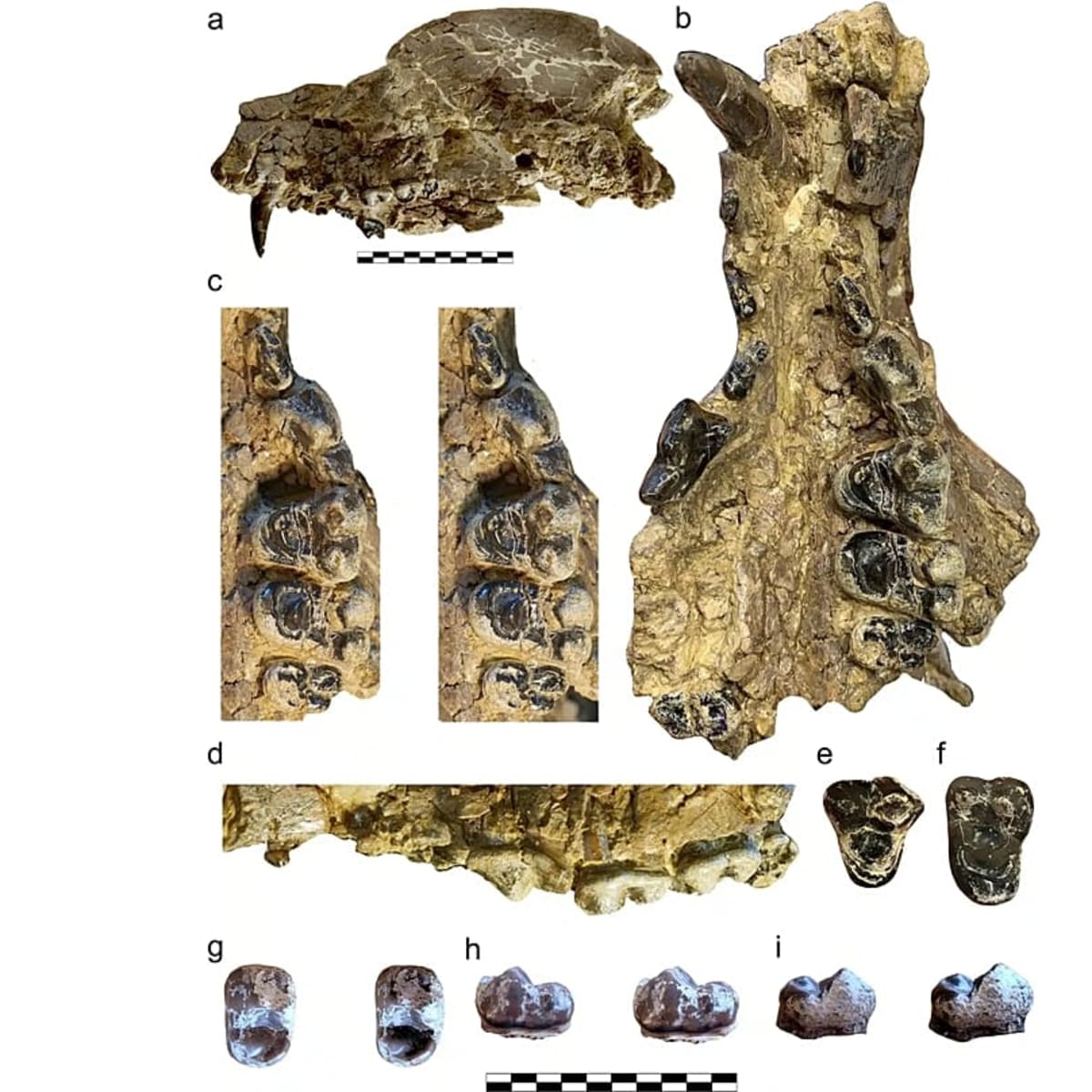
Then in 2014, a doctoral student took a fresh look at the skull and noticed something odd. The animal it supposedly belonged to was massive, weighing around 200 kilos and built like a lion. But this skull looked smaller and less robust.
That hunch launched a two-year investigation by an international team from Spain, Ecuador, and South Africa. Their verdict, just published in the Journal of Mammalian Evolution, confirmed what the student suspected: they had found a completely new species.
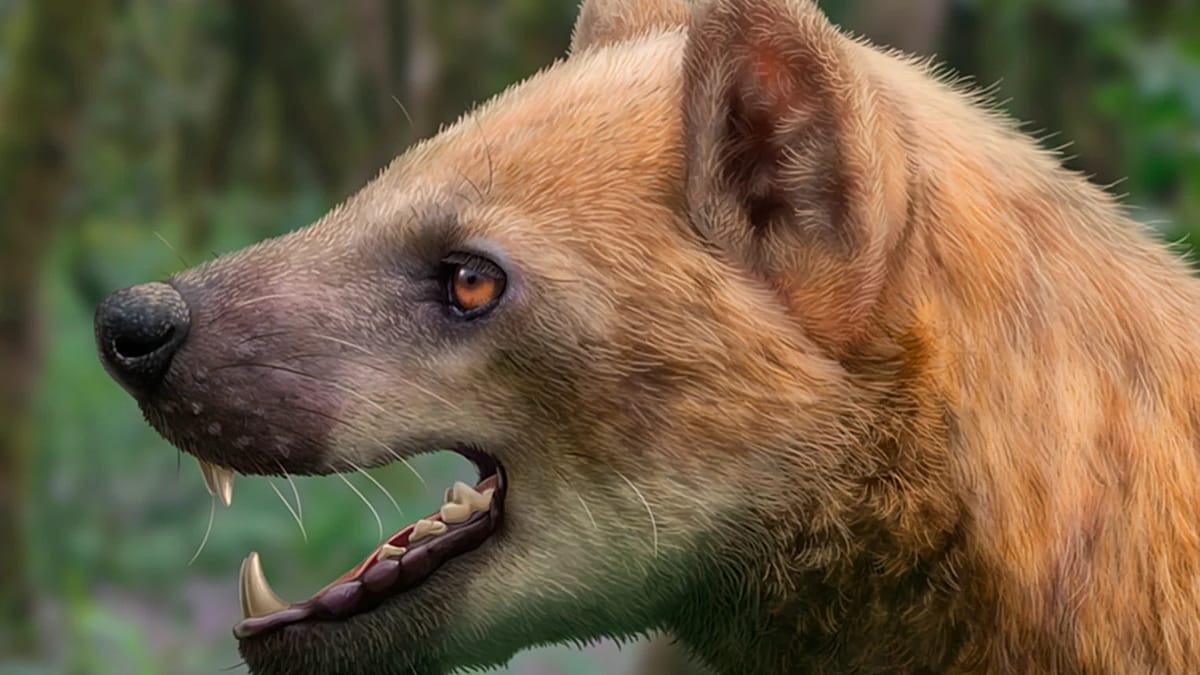
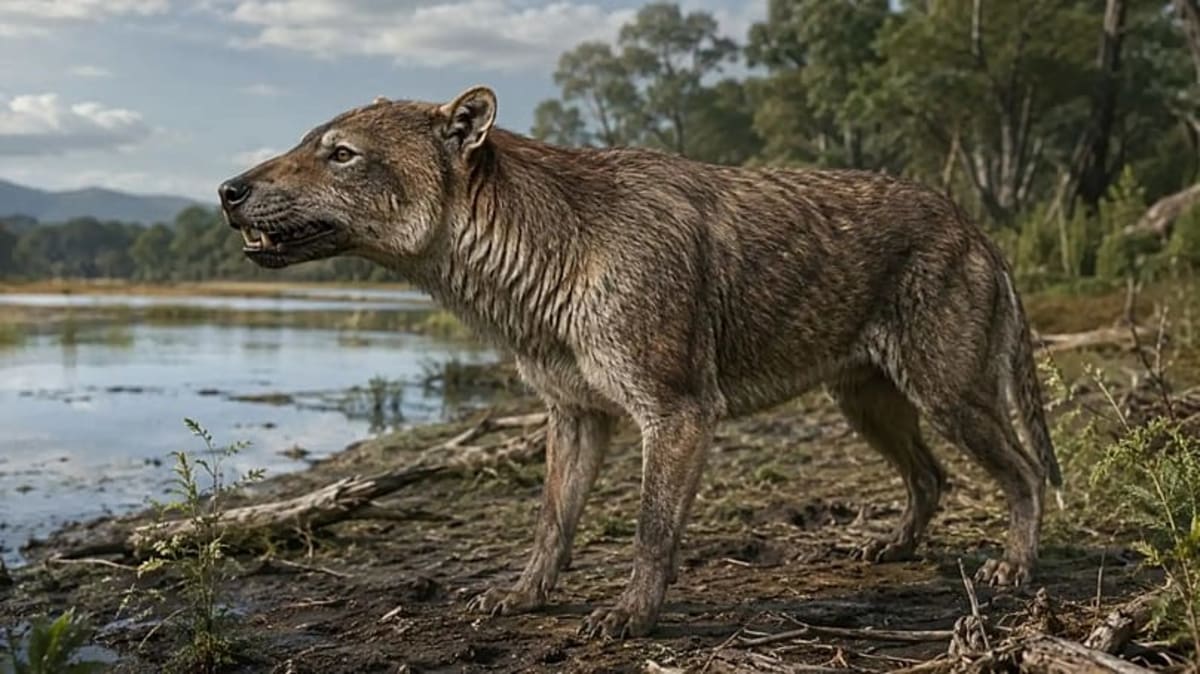
Meet Paludocyon moyasolai, a bear-dog that roamed what is now Catalonia nearly 16 million years ago. These amphicyonids weren't true bears or true dogs but an extinct group combining traits of both. This newly identified species weighed between 50 and 70 kilos, about the size of a large dog.
What makes this bear-dog special is its unusual teeth. The posterior molars are broader and larger than typical for its genus, suggesting it ate a varied diet of small to medium prey like primitive deer and ancestral pigs. It shared its tropical lagoon home with crocodiles, snakes, fish, and an even larger bear-dog species yet to be formally described.
The muddy lagoon environment preserved the fossils beautifully. Bodies became trapped after death, protecting them from decay and giving modern scientists an extraordinary window into ancient life.
Why This Inspires
This discovery reminds us that patience and fresh perspectives lead to breakthroughs. A specimen dismissed as ordinary turned out to rewrite what we know about Miocene carnivores. The team's work helps solve a fascinating puzzle: how did so many large predators coexist in the same territory without wiping each other out?
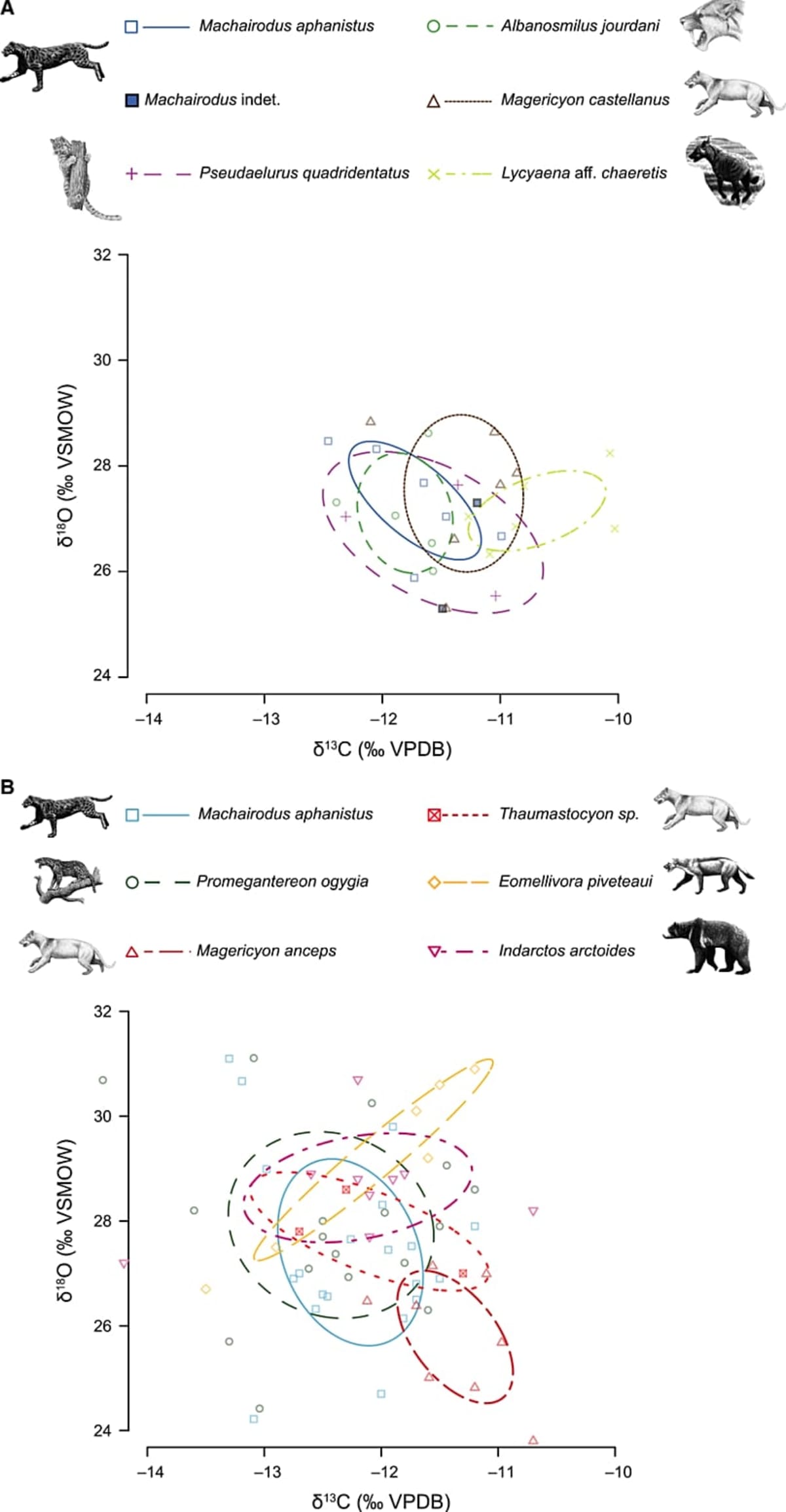
Using cutting-edge techniques like stable isotope analysis on tooth enamel, researchers can now determine what each ancient animal ate with remarkable precision. The answer reveals that competition was fierce, but some species like Paludocyon moyasolai carved out their own ecological niches by hunting different prey in different habitats.
Each new species discovered adds another piece to understanding how life adapted when Earth's climate shifted from dense tropical forests to open, drier landscapes millions of years ago. These insights don't just tell us about the past. They help us understand how species respond to environmental change, knowledge that matters more than ever today.
One forgotten skull in a storage room just rewrote millions of years of history.
More Images
Based on reporting by Google News - Scientists Discover
This story was written by BrightWire based on verified news reports.
Spread the positivity!
Share this good news with someone who needs it