Baby Stars Break Free in Stunning Space Telescope Image
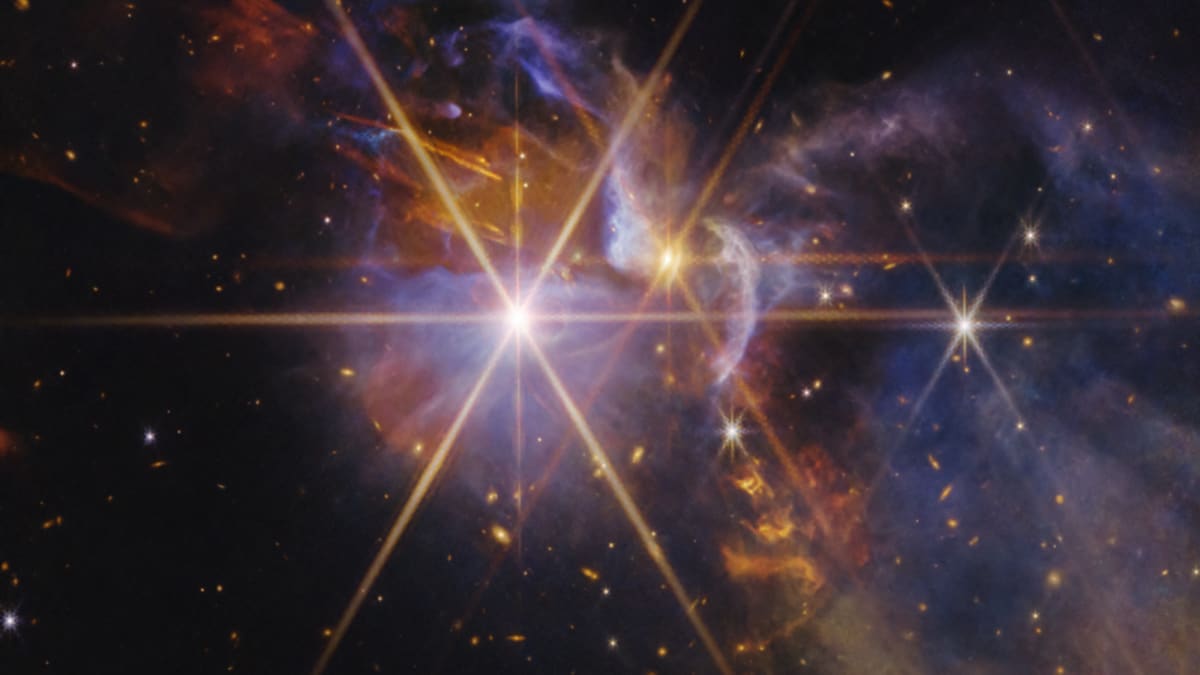
The James Webb Space Telescope captured newborn stars bursting from their cosmic nursery in a dazzling display of light and energy. The image reveals how young stars gain their independence through powerful outflows that reshape their surroundings.
Scientists just caught baby stars throwing their own cosmic celebration as they break free from the clouds that formed them.
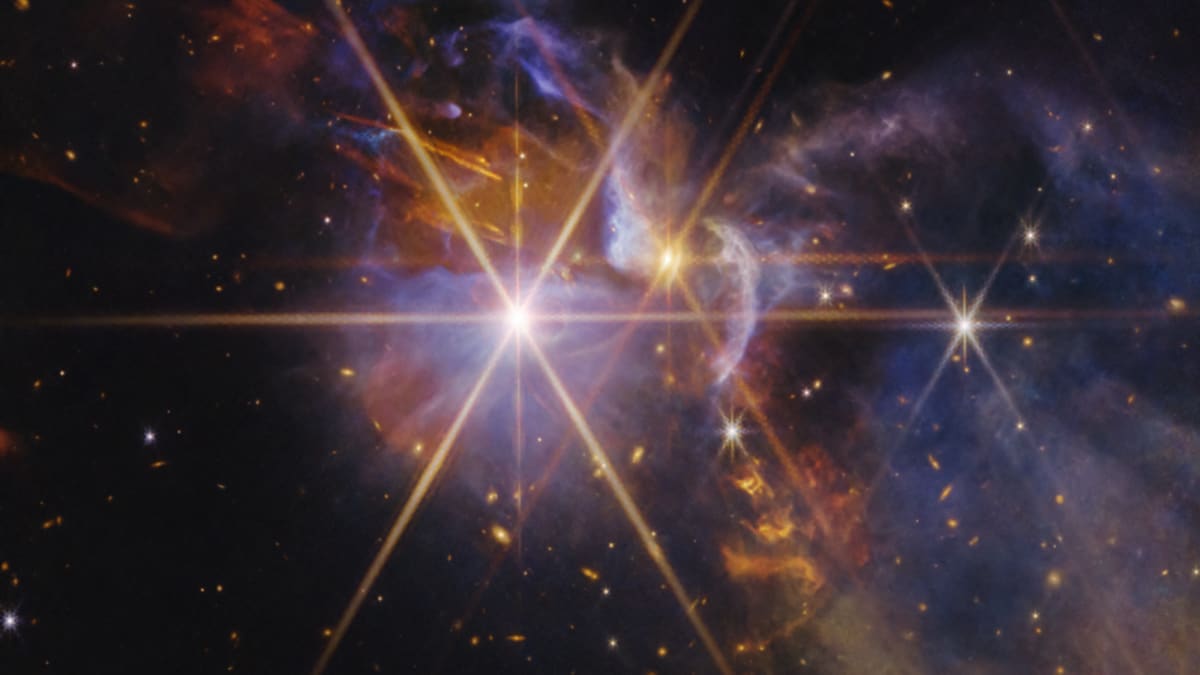
The James Webb Space Telescope captured stunning images of infant stars, called protostars, in a region called FS Tau about 450 light-years from Earth. These stellar newborns are still gathering material from their birth cloud, occasionally blasting out powerful jets that light up the surrounding gas in brilliant blue and orange hues.
Stars are born when patches of giant molecular clouds cool down and collapse under their own gravity. They keep pulling in material until they have enough mass to start fusing hydrogen into helium in their cores, which officially makes them full-fledged stars.
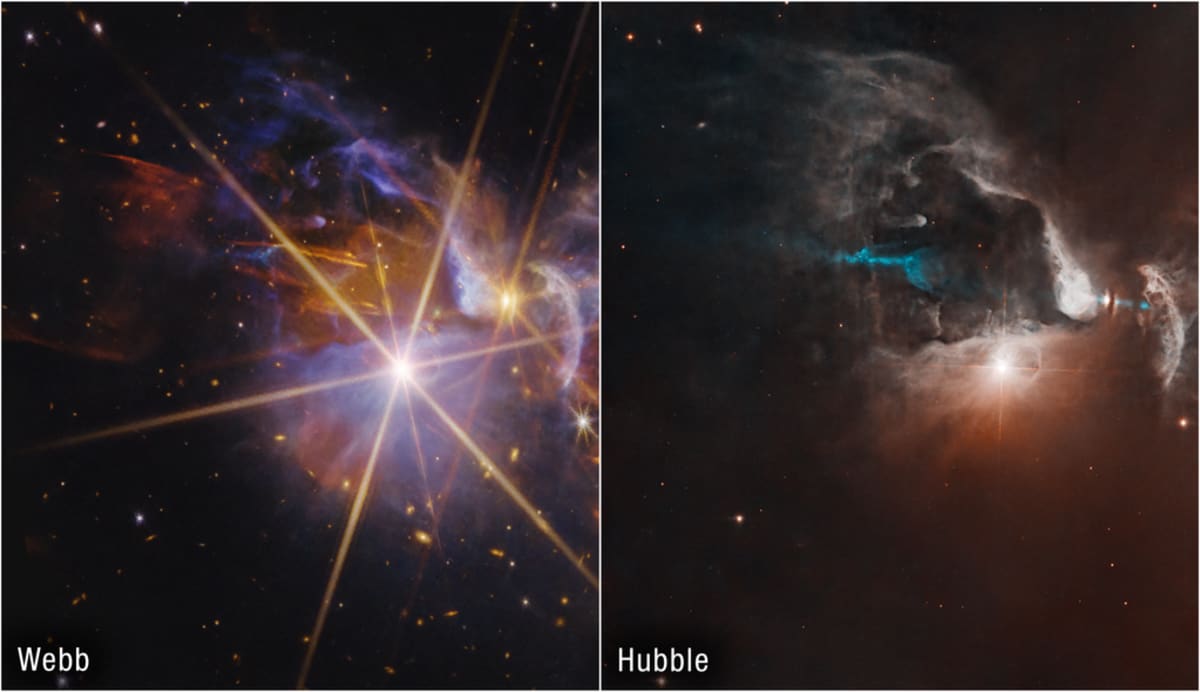
What makes this image special is that Webb's powerful infrared vision can see through the thick clouds of gas and dust that normally hide protostars from view. Previous telescopes like Hubble could only catch glimpses, but Webb reveals incredible detail.
The image shows something scientists have long suspected but couldn't clearly see before. Gaps between the outflows suggest that young stars don't gather material constantly, but instead feed in bursts with quiet periods in between.
The bright blue ridges in the image show where the protostar outflows have pushed gas into dense clumps that reflect light back like cosmic mirrors. It's a reminder that even star birth is messy and dynamic, with material flowing in and blasting out.
Why This Inspires
This image does more than showcase space's natural beauty. It helps scientists understand how our own Sun formed over 4.5 billion years ago, and how stars continue to be born throughout the universe today.
Studying low-mass stars like those in FS Tau reveals how stellar radiation and outflows shape their environments. These processes influence whether planets can form around young stars and what conditions those planets might have.
The region has become a favorite target for astronomers studying how stars evolve from clouds to shining lights. Each observation with advanced telescopes like Webb adds another piece to the puzzle of stellar birth.
What's remarkable is that these cosmic fireworks happen constantly throughout the universe. While we celebrate our independence days once a year, stars are declaring their independence from their birth clouds every single day somewhere in the cosmos.
This window into star formation reminds us that creation is always happening, even in the seeming emptiness of space.
More Images

Based on reporting by Space.com
This story was written by BrightWire based on verified news reports.
Spread the positivity!
Share this good news with someone who needs it