Hubble Captures 500,000 Stars in Stunning Cosmic Display
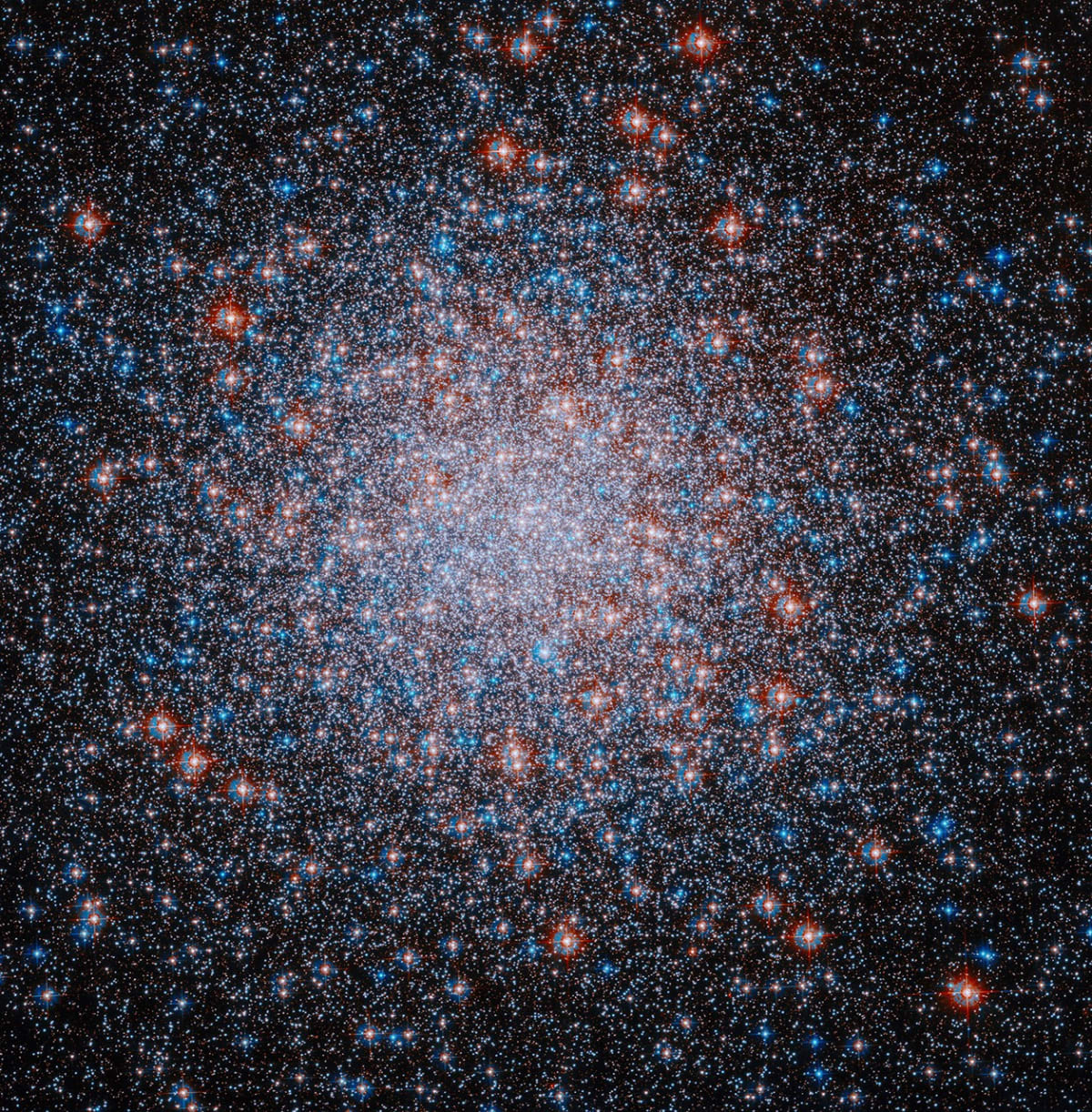
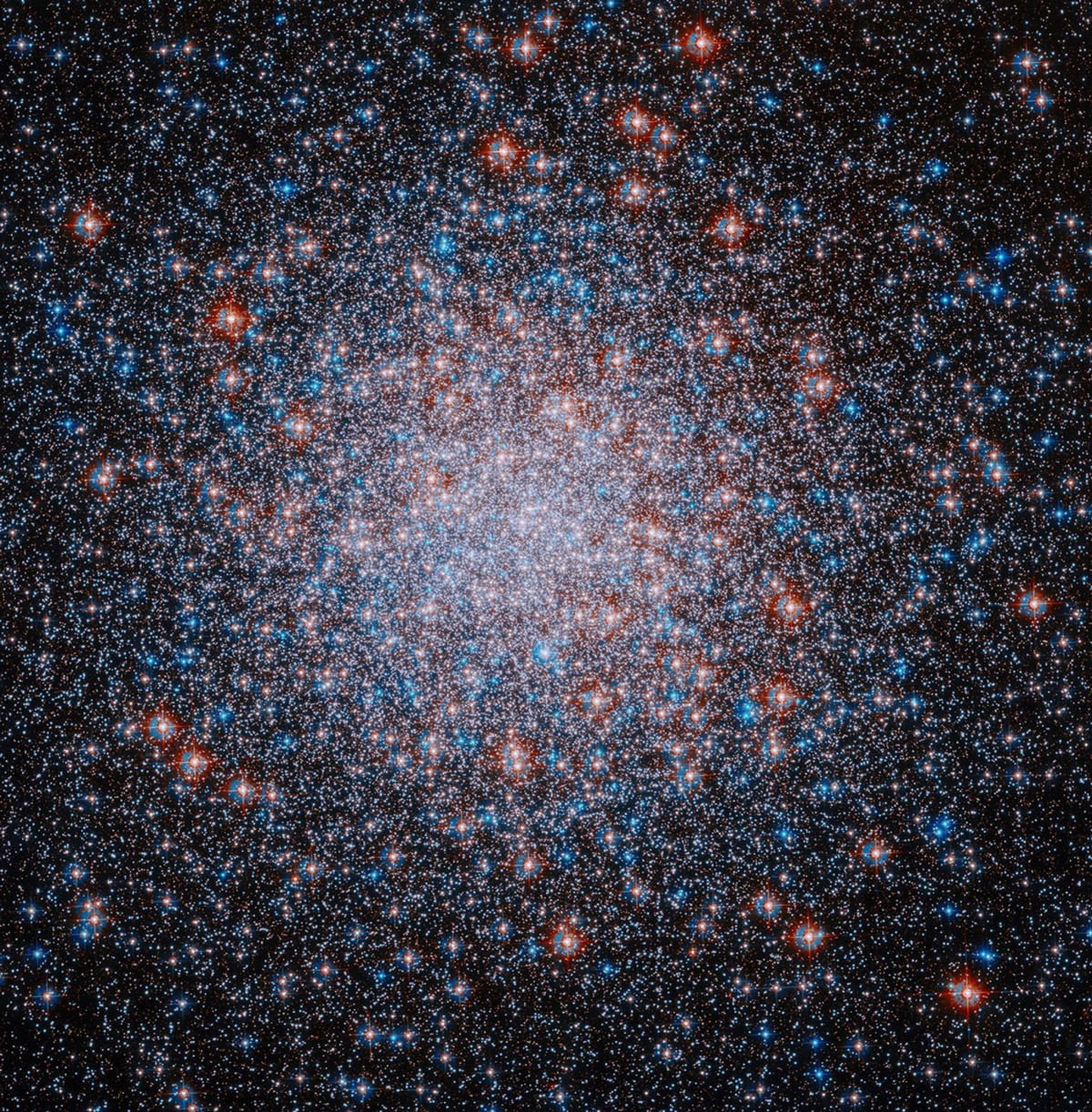
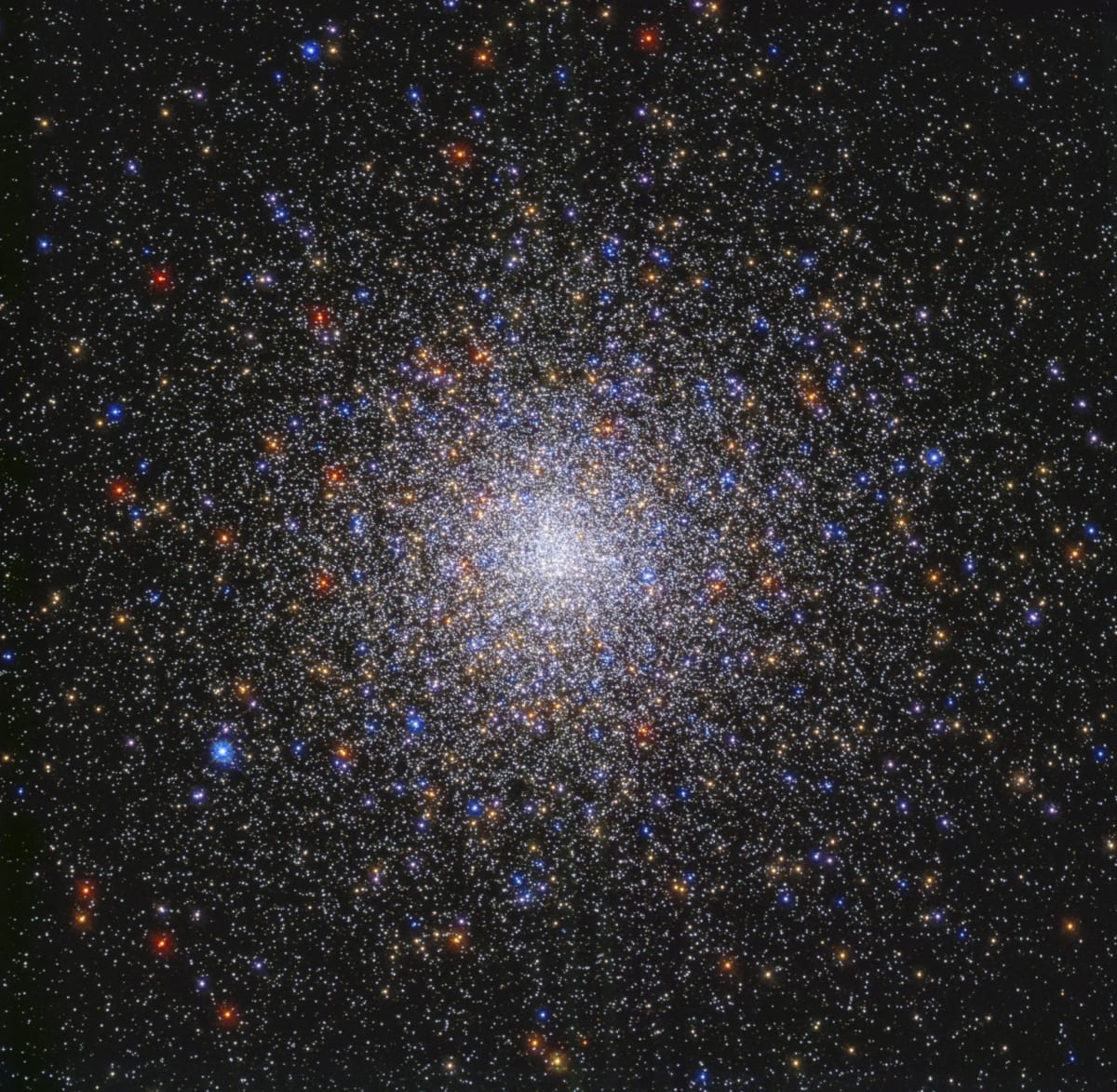
NASA's Hubble Space Telescope captured a dazzling image of more than half a million stars blazing together in one of the Milky Way's most massive star clusters. The stunning snapshot reveals ancient stars, cosmic mysteries, and clues about how our galaxy formed.
More than 500,000 stars shine together in a spectacular new image from NASA's Hubble Space Telescope, proving that some of the universe's oldest neighborhoods are also its most beautiful.
The image showcases Messier 3, a massive globular cluster that's essentially a cosmic sphere packed with ancient stars. These stars all formed roughly at the same time from the same cloud of gas billions of years ago, making them celestial twins separated by light years instead of minutes.
What makes this particular cluster special goes beyond its beauty. Messier 3 sits unusually far from our galaxy's center and contains more than 240 RR Lyrae variable stars, the most of any globular cluster we know. These elderly stars flicker in ways that help astronomers measure distances across the cosmos, acting like cosmic yardsticks for exploring the universe.
Scientists have also spotted around 70 "blue straggler" stars within the cluster. Despite being just as ancient as their neighbors, these oddballs shine with bright blue light that makes them look deceptively young. Astronomers believe they've pulled mass from companion stars over time, getting a cosmic facelift that rejuvenated their appearance.
The cluster's unusual features might stem from a dramatic origin story. Messier 3 contains two distinct populations of stars, suggesting it formed when two separate globular clusters merged together. Both clusters likely belonged to a dwarf galaxy that the Milky Way swallowed up long ago.
Why This Inspires
This image represents more than just cosmic eye candy. It's part of a Hubble Treasury program designed to observe roughly half of the Milky Way's globular clusters, helping scientists piece together a detailed timeline of how our home galaxy formed and evolved.
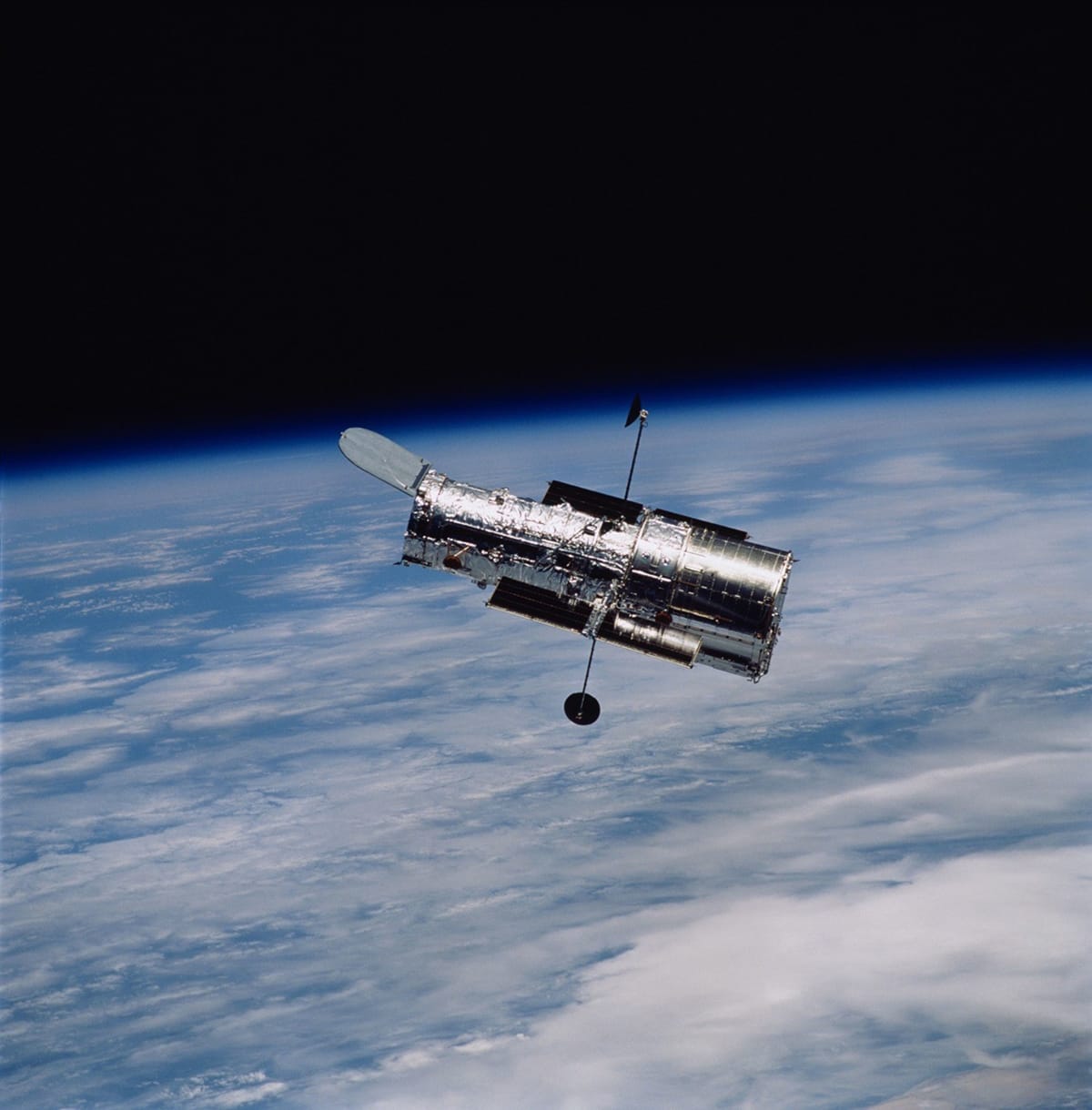
With over 30 years of observations under its belt, Hubble continues working alongside newer telescopes like the infrared-detecting Webb Space Telescope. Together, these observatories weave a comprehensive picture of our universe, revealing both its grand history and its ongoing mysteries.
The stars' colors tell their own stories too. Blue stars burn hotter while red stars run cooler, creating a cosmic palette that spans both visible and near-infrared light.
Half a million ancient stars remind us that even the oldest corners of space still hold surprises worth discovering.
More Images
Based on reporting by NASA
This story was written by BrightWire based on verified news reports.
Spread the positivity!
Share this good news with someone who needs it