New Zealand Cave Reveals Million-Year-Old Lost World
Scientists discovered a treasure trove of ancient fossils in a New Zealand cave, revealing 12 bird species and four frog species that lived over a million years ago. The find fills a massive gap in understanding how the island's wildlife evolved long before humans arrived.
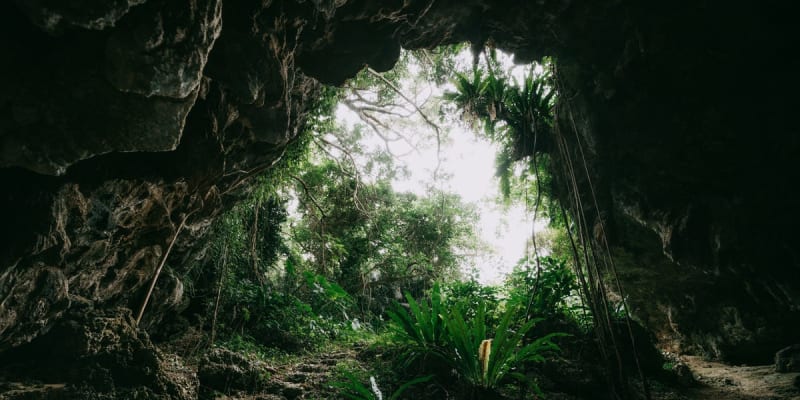
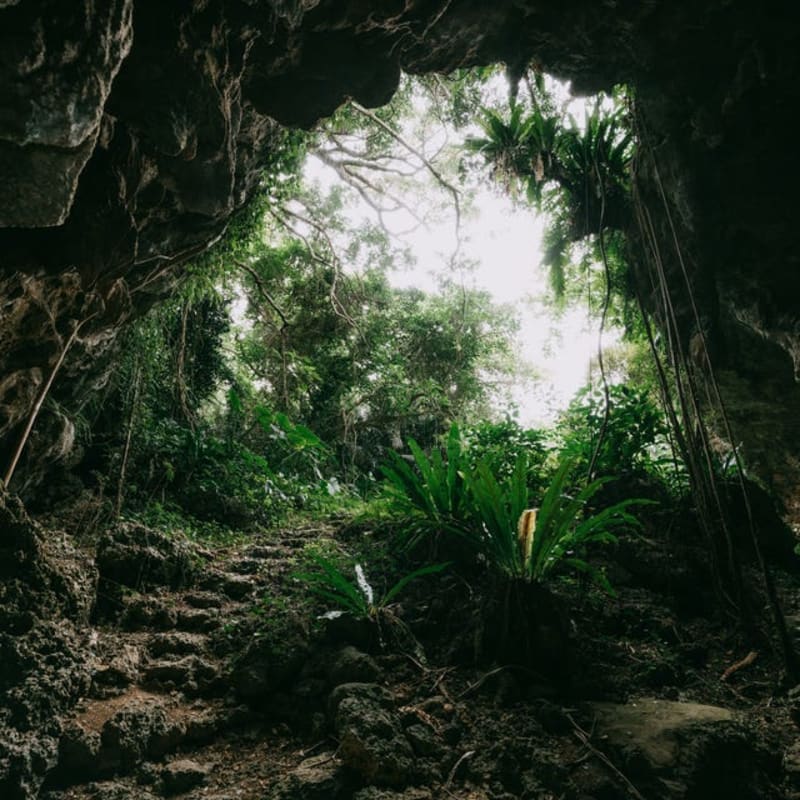
A hidden cave on New Zealand's North Island just rewrote the story of an ancient world that existed over a million years ago.
Scientists uncovered fossils representing 12 ancient bird species and four frog species, including several never-before-seen birds. The discovery gives researchers their first real look at forest life from a period they knew almost nothing about.
The team found the fossils perfectly preserved between two layers of volcanic ash in the cave. Each ash layer came from a different massive eruption, one 1.55 million years ago and another a million years later.
What makes this discovery remarkable is timing. Many of these species had already vanished by the time humans arrived in New Zealand 750 years ago, proving that nature itself was reshaping the island long before people showed up.
The research team estimates that between 33 and 50 percent of all North Island species went extinct during that million-year window. Rapid climate shifts and catastrophic volcanic eruptions likely drove these changes, not human activity.
Trevor Worthy, lead study author from Flinders University, said the find represents an entirely new era of New Zealand wildlife. "This is a newly recognized avifauna for New Zealand, one that was replaced by the one humans encountered a million years later," he explained.
Among the treasures, scientists are especially excited about discovering a new parrot species called Strigops insulaborealis. This ancient relative of the iconic Kākāpō, a large flightless parrot, may have actually been able to fly.
The fossil shows weaker legs than its modern descendant, suggesting the ancestor wasn't as skilled at climbing. Researchers need more evidence to confirm flight capability, but the possibility alone opens fascinating questions about how these birds evolved.
The team also found an ancestor of the modern Takahe and fossils of an extinct pigeon species related to Australian bronzewing pigeons. Each discovery adds crucial pieces to understanding how New Zealand's unique wildlife developed.
Why This Inspires
This discovery proves that scientists can still uncover entire lost worlds right beneath our feet. Paul Scofield, study co-author from Canterbury Museum, called it a missing volume in New Zealand's history, not just a missing chapter.
The find shifts how we think about extinction and evolution. For decades, experts viewed New Zealand's bird extinctions primarily through human impact, but natural forces were sculpting the island's identity millions of years before people arrived.
Understanding this ancient past helps scientists predict how ecosystems might respond to future climate changes and natural disasters. The more we know about how life adapted before, the better we can protect species facing challenges today.
Every fossil tells a story of resilience and adaptation that continued for millions of years. Some species made it through volcanic eruptions and climate chaos, evolving into the unique birds that call New Zealand home today.
More Images


Based on reporting by Google: fossil discovery
This story was written by BrightWire based on verified news reports.
Spread the positivity!
Share this good news with someone who needs it