New Zealand Town Rebuilds Stronger After 2023 Floods
After devastating floods destroyed homes in Pukekohe, community leaders turned crisis into connection, helping neighbors recover while building resilience for the future. Now a $15 million bridge project will protect the vulnerable creek corridor where waters hit hardest.
When floods tore through Pukekohe, New Zealand in early 2023, water surged through homes along Whangapouri Creek overnight, leaving the town's most vulnerable families with nothing. "People who already had very little suddenly had even that taken away," says Robyn Driver, CEO of community organization Mai Lighthouse.
Jan Wallace, Director of Pukekohe Community Action, found families too proud to ask for help. One man initially said his family was fine, then quietly admitted they'd lost everything.
But Jan noticed something deeper than material loss. Families living next door to churches offering help didn't know where to turn. "We have to make sure people in our rural communities aren't feeling isolated," she says.
So volunteers did more than hand out supplies. They offered choices, asking simple questions like what sandwich spread people wanted. That small act of dignity helped restore self-worth during an incredibly difficult time.
The Ripple Effect
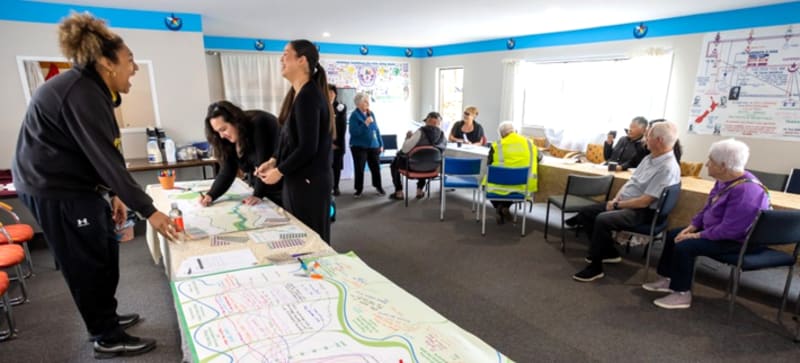
The floods sparked a transformation in how Pukekohe prepares for disasters. Community leaders now bridge the gap between residents and Auckland Council, making sure everyone understands flood risks and infrastructure plans.
Auckland Council is replacing a culvert with a 12-meter bridge over Whangapouri Creek. The $15 million project includes erosion protection and slope stabilization to help water flow freely during heavy rains. Work should finish by March 2026.
Meanwhile, Pukekohe Community Action launched Seasons for Growth, a program helping children and adults process the trauma of losing homes and changing schools. "It's about having someone really listen," Jan explains, especially for isolated rural residents.
Community groups are also tackling a hidden challenge. New residents moving to the area don't know about flood risks or local support networks. "When something happens again, people need to know their neighbors, know what's in their emergency pack, and know where to go," Robyn says.
The upcoming Little Green Expo on March 7 will bring residents together to learn about water infrastructure and community resilience. Local groups like Mai Lighthouse and Community Networks Franklin continue strengthening connections that could save lives in the next emergency.
From disaster came a tighter community, ready to face whatever weather comes next.
Based on reporting by Google News - Recovery Story
This story was written by BrightWire based on verified news reports.
Spread the positivity!
Share this good news with someone who needs it