New Zealand Vaccinates 196 Rare Birds Against Bird Flu
When bird flu reached Australia and New Zealand in 2026, one country was already two years ahead with a plan to save its most endangered species. New Zealand's vaccination program shows how early preparation can protect wildlife facing global threats.
When researchers found New Zealand's first bird flu case in July, they didn't panic because they'd spent two years preparing for exactly this moment.
While the deadly H5N1 virus swept through every other continent, New Zealand quietly launched something unprecedented: a vaccination program for its rarest birds. The country has now vaccinated 196 birds across six species that exist nowhere else on Earth.
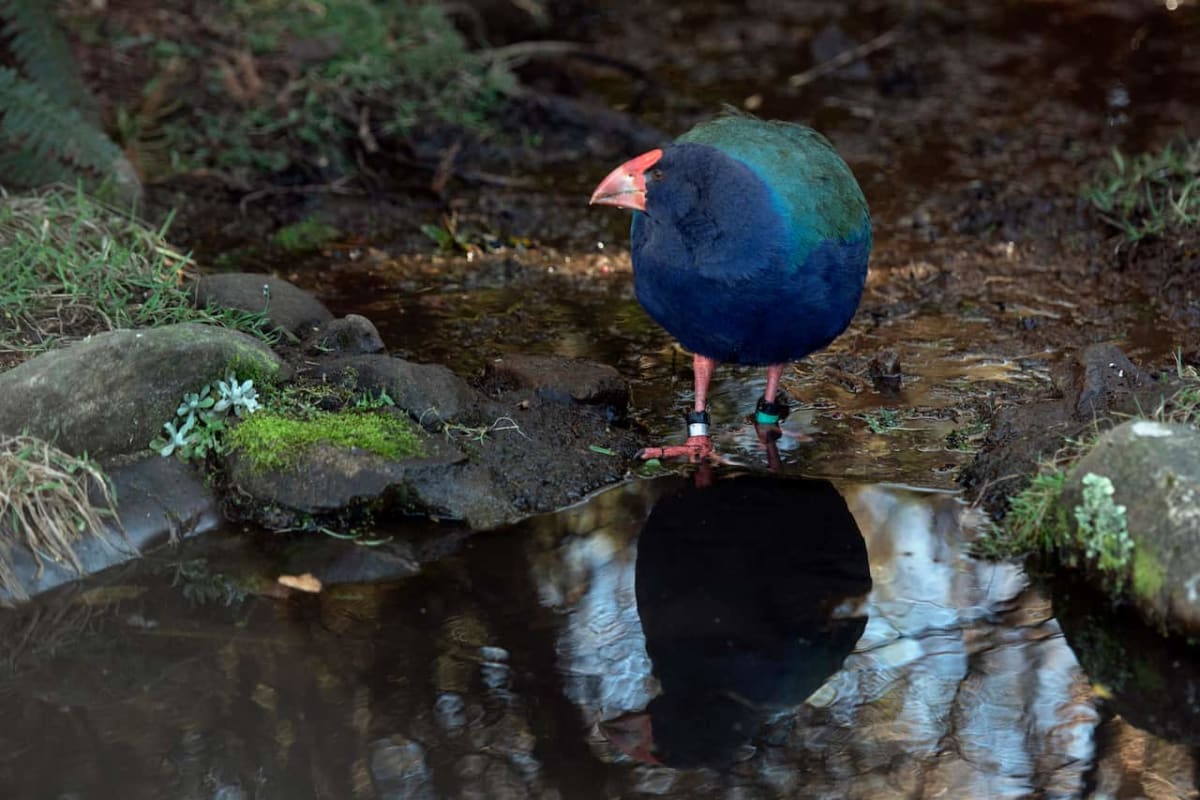
The program targets birds like the kākāpō, the world's only flightless parrot with fewer than 300 left alive. It also includes the South Island takahē, a flightless swamphen with only 500 remaining.
Starting two years before the virus arrived, researchers tested how different native birds would respond to the vaccine and what doses they needed. They chose species that were already closely monitored through GPS trackers and health programs, making it easier to administer the required booster shots.
"The trial was really to understand if the vaccine was going to be effective, but also what kind of doses different birds might need," explains University of Otago researcher Jemma Geoghegan. These carefully managed populations live mostly on offshore islands where scientists can track every individual.
New Zealand also invested in understanding which species would be hit hardest by the virus. Geoghegan's team studied scavenger birds like the kāhu hawk because they were likely to carry more of the virus and spread it to other wildlife.
Why This Inspires
This story shows the power of preparing for disasters before they arrive. While Australia now faces its first mass casualty event with 49 dead seabirds discovered in South Australia, New Zealand's endangered species have a fighting chance because scientists took action early.
Australian researchers like Patrick Finnerty from the University of Sydney wish their country had done similar preparation. "We just don't know how this disease is going to spread," he says, noting that understanding wildlife responses before arrival would have helped protect Australia's unique species.
New Zealand's approach offers a blueprint for protecting biodiversity against global threats. Instead of waiting for disaster to strike, they invested time and resources into understanding their wildlife and developing solutions.
The vaccination program continues as both countries expect bird flu cases to climb, but nearly 200 of New Zealand's rarest birds now have protection that didn't exist anywhere in the world two years ago.
More Images


Based on reporting by SBS Australia
This story was written by BrightWire based on verified news reports.
Spread the positivity!
Share this good news with someone who needs it