New Zealand's Kākāpō Parrots Climb to 236 From Near-Zero
Once declared extinct in the wild, New Zealand's treasured kākāpō parrots have rebounded to 236 birds thanks to dedicated conservation efforts. The flightless, owl-faced parrots now thrive on protected islands after being down to just 50 birds in 1995.
A giant green parrot that can't fly and hunts at night with an owl-like face is making one of conservation's most remarkable comebacks.
The kākāpō, a flightless parrot species unique to New Zealand, was declared extinct in the wild by 1994 with only 50 birds remaining on Stewart Island by 1995. Today, 236 of these extraordinary birds waddle through protected sanctuaries and predator-free islands across New Zealand.
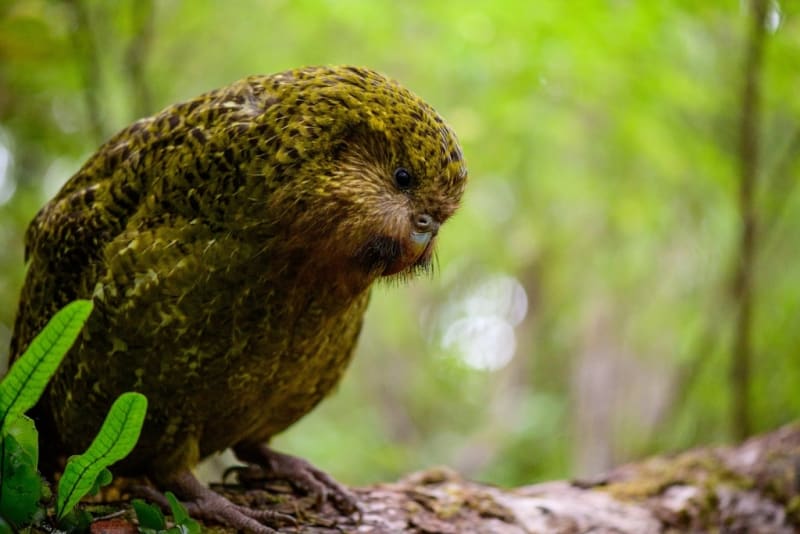
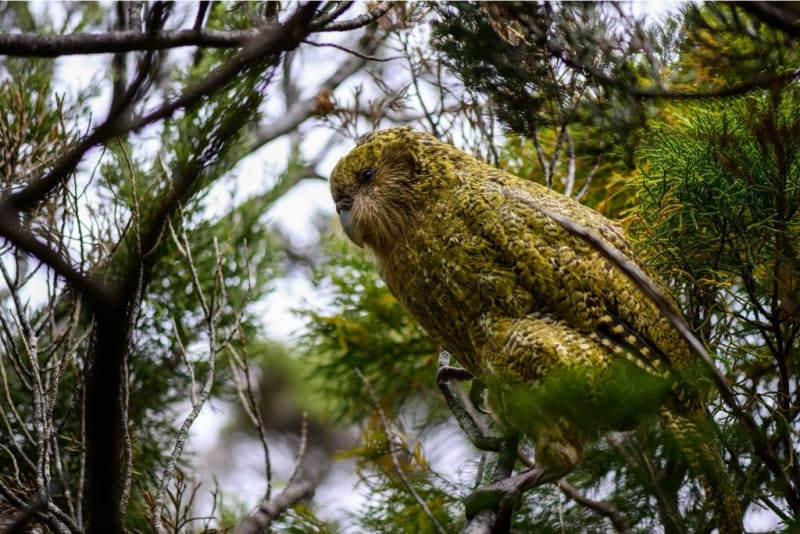
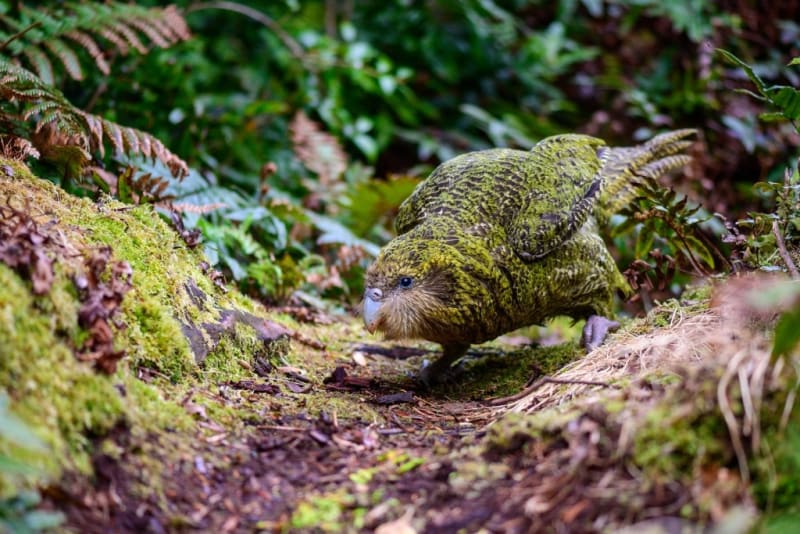
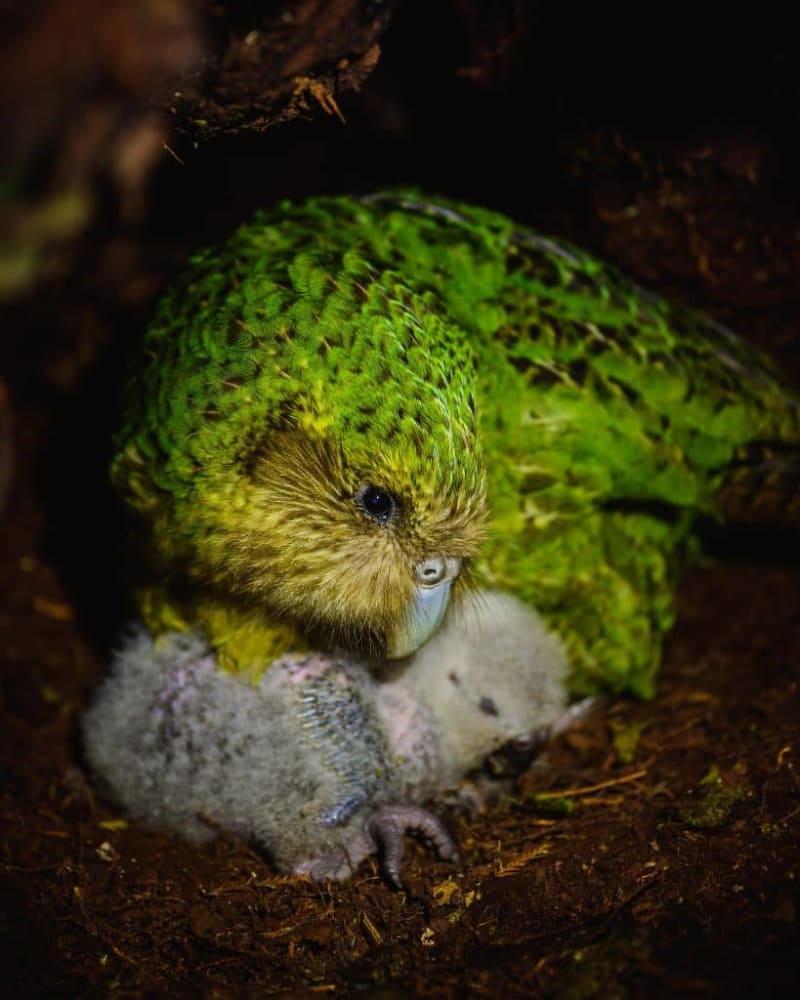
Weighing up to nine pounds, kākāpō are the world's heaviest parrots and look like no other bird on Earth. Their moss-green feathers camouflage them in forest undergrowth, while forward-facing eyes and whisker-like facial feathers help them navigate the darkness. Having evolved for 30 million years without mammalian predators, they never needed to fly.
That evolutionary quirk nearly destroyed them. When humans introduced rats, cats, and stoats to New Zealand, the kākāpō's defense mechanism of freezing in place became a fatal flaw. Hunting and habitat loss accelerated their decline, and by 1930 they had vanished from New Zealand's North Island entirely.
Throughout the 1980s and 1990s, conservationists moved every known kākāpō to predator-free islands where intensive protection began. The birds are treasured as taonga by the Ngāi Tahu, the principal Māori tribe of the South Island, adding cultural urgency to scientific efforts.
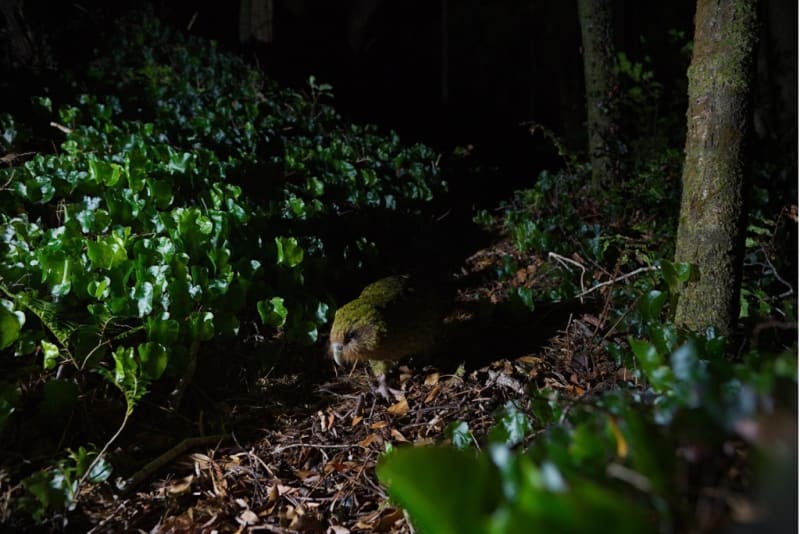
The kākāpō's unusual biology makes recovery slow. They only breed when rimu fruit trees produce their vitamin-rich fruit, which happens just once every two to five years. The birds spend their nights foraging for leaves, bark, seeds, and roots, leaving distinctive crescent-shaped chew marks on plants.
The Ripple Effect
The kākāpō's recovery shows what's possible when communities refuse to accept extinction as inevitable. Each bird now receives individual monitoring and care, with conservationists tracking their health, breeding success, and genetic diversity. The population has more than quadrupled since the darkest days of the mid-1990s.
These nocturnal parrots use their strong legs to climb 60-foot rimu trees before gliding down with outstretched wings. Their solitary, ground-dwelling lifestyle once made them perfectly adapted to their island home, and now protected sanctuaries allow them to live that way again.
From functionally extinct to 236 thriving individuals, the kākāpō proves that dedicated conservation can pull species back from the edge of oblivion.
More Images
Based on reporting by Google News - Endangered Species Recovery
This story was written by BrightWire based on verified news reports.
Spread the positivity!
Share this good news with someone who needs it